
Weight Loss Surgery

Weight Loss Surgery

Can Walking Every Day Help You Lose Weight?

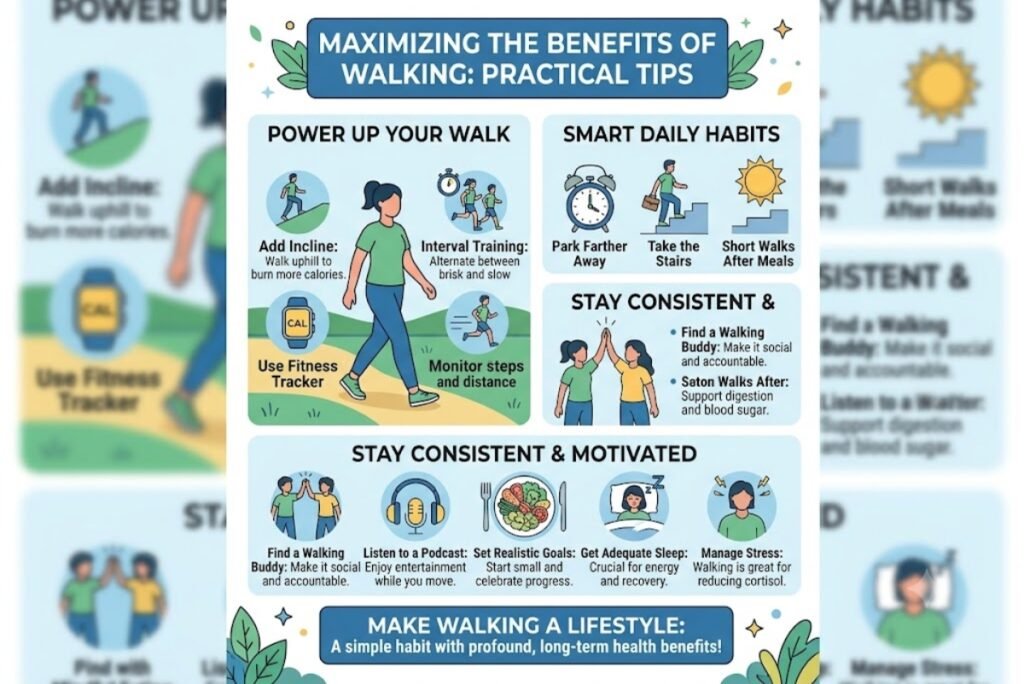
Can Walking Every Day Help You Lose Weight? Introduction Walking feels almost too simple to actually work, doesn’t it? No gym membership, no fancy equipment, just you and your shoes. But that simplicity is exactly why so many people wonder if it can really make a difference on the scale. Here’s an honest, easy-to-understand look at what daily walking can and can’t do for weight loss. Does Walking Actually Help You Lose Weight? Yes, walking burns real calories, and that consistent calorie burn is the foundation of weight loss. It also gently boosts your metabolism, helping your body convert food into energy more efficiently. Since walking is a low-impact activity, it’s much easier on your joints than running or high-intensity workouts, making it a sustainable choice for most people. Its simplicity is one of its greatest strengths, as it’s easier to maintain over the long term, and when it comes to achieving lasting results, consistency matters far more than intensity.  How Many Calories Does Walking Really Burn? A moderate 30-minute walk can burn roughly 100 to 200 calories, depending on your weight and pace. Faster walking or walking uphill burns more calories than a slow, flat stroll. Small daily amounts add up. Burning even 150 extra calories a day can support noticeable weight loss over weeks. Exact numbers vary from person to person, so think of these as helpful estimates, not strict rules. How Much Should You Walk Each Day to See Results? Aim for around 30 to 45 minutes of walking most days of the week. A step count goal of 7,000 to 10,000 steps daily is a widely used, realistic target. If that feels like a lot right now, start with 10 to 15 minutes and build up gradually. Consistency over weeks matters far more than one long walk here and there. Does Walking Speed Make a Difference? Walking speed plays an important role in determining how many calories you burn. Brisk walking, where you can comfortably hold a conversation but not sing, burns noticeably more calories than a stroll. Adding short bursts of faster walking during your walk can further increase calorie expenditure without requiring you to jog. Even if you prefer a relaxed pace, walking still delivers meaningful health benefits. While it burns calories at a slightly slower rate than brisk walking, it remains an effective way to support weight management, improve cardiovascular health, and stay physically active over the long term. What Other Benefits Does Daily Walking Offer? Supports heart health by improving circulation and blood pressure. Helps regulate blood sugar levels, which is useful for overall metabolic health. Boosts mood and reduces stress, thanks to the release of feel-good brain chemicals. Improves sleep quality for many people. Strengthens muscles and joints gently, without heavy strain. Can Walking Alone Lead to Significant Weight Loss? Walking works best as part of a bigger picture that includes balanced eating habits. For modest to steady weight loss, walking alone can work well over time. For those with significantly higher body weight or obesity-related health risks, doctors may recommend added options, including robotic weight loss surgery, when lifestyle changes alone aren’t enough. Even when preparing for or recovering from weight loss surgery, daily walking remains valuable for supporting long-term results. The takeaway: walking is powerful, but the right approach depends on your individual health picture. What Are Some Practical Tips to Make Walking More Effective? Track your steps using a phone app or fitness band to stay motivated. Take the stairs instead of the elevator whenever possible. Go for a short walk after meals to support digestion and blood sugar control. Break walks into two or three shorter sessions if a long one feels difficult. Walk with a friend or listen to music or a podcast to make it enjoyable. Pair your walking routine with mindful eating for better overall results. Who Should Be Cautious About Starting a Walking Routine? People with joint pain, arthritis, or recent injuries should start slowly and choose supportive footwear. Those with heart conditions or other chronic illnesses should check with a doctor before increasing activity levels. If you feel dizzy or short of breath or experience chest pain while walking, stop and seek medical advice. Starting gradually is always safer than pushing too hard too soon. Final Thoughts Walking every day genuinely can support weight loss, especially when paired with healthy eating and consistency. It won’t work like a quick fix, but it builds a foundation that’s sustainable and kind to your body. For some, walking alone is enough; for others facing more serious weight-related health concerns, it works alongside medical guidance or treatments like weight loss surgery, rather than replacing them. Either way, lacing up your shoes each day is a small step that adds up to something meaningful.
Weight Loss Surgery

Why Is Belly Fat So Difficult to Lose?

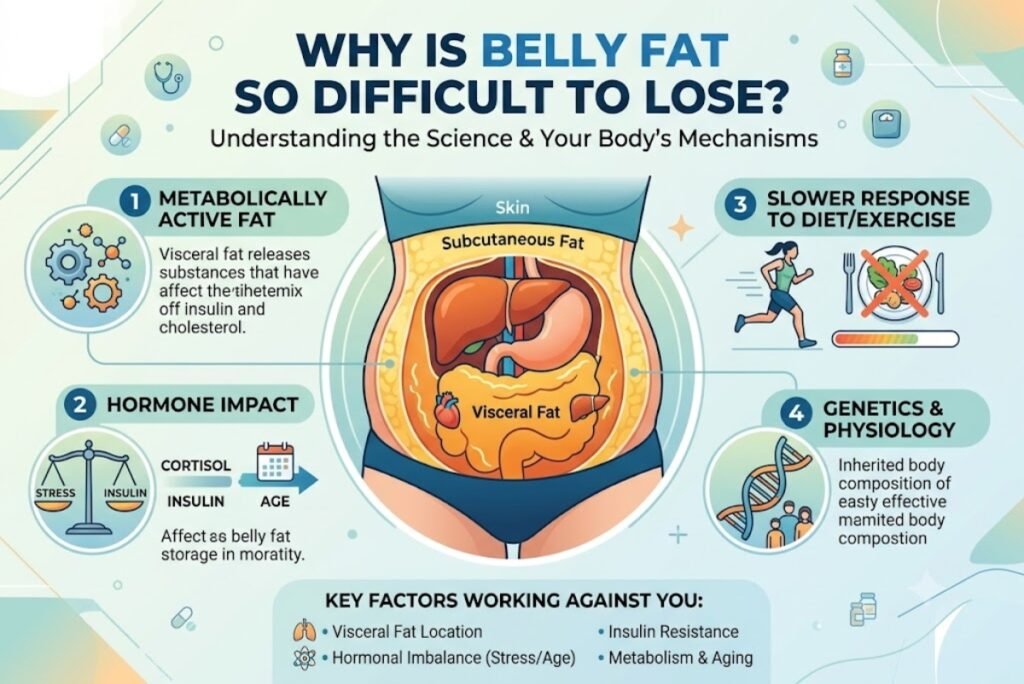
Why Is Belly Fat So Difficult to Lose? Introduction Have you ever wondered why your arms and legs seem to slim down with exercise, but your belly just won’t budge? You’re not alone. This is one of the most common frustrations patients bring up in clinic, and it’s a fair question to ask. Belly fat isn’t just about how your clothes fit. It’s connected to your metabolism, your hormones, and in some cases, your overall health risk. As a practicing weight-loss surgeon, Dr. Hrishikesh Salgaonkar meets patients every week who have tried diets, gym memberships, and every trending workout, only to find that their midsection barely changes. If this sounds familiar, this article will help you understand what’s really going on and what options actually work. What Makes Belly Fat Different From Other Body Fat? Not all fat behaves the same way. The fat around your belly is often what doctors call visceral fat, the kind that sits deep around your internal organs rather than just under the skin. Here’s why that matters: Visceral fat is more metabolically active, meaning it releases substances that can affect blood sugar and cholesterol levels. It responds more slowly to diet and exercise than fat stored elsewhere in the body. It’s closely linked to insulin resistance, which can make fat loss even harder over time. In simple terms, your body may be holding onto belly fat almost as a protective habit, especially if stress or poor sleep has been part of your routine for a while. Why Does Belly Fat Feel So Stubborn to Lose? Patients often ask this exact question, and the honest answer is, “Several things are working against you at once.” Is It Just About Diet and Exercise? Not entirely. While nutrition and movement absolutely matter, they’re only part of the picture. Genetics plays a role in where your body chooses to store fat. Some people are simply predisposed to carry more weight around the abdomen, regardless of effort. Could Hormones Be the Real Reason? Quite often, yes. Cortisol, the stress hormone, encourages fat storage specifically around the belly. Insulin resistance does something similar. And as we age, declining levels of certain hormones make it easier to gain weight in this area and harder to lose it. Does Age Make a Difference? It does. Metabolism naturally slows down with age. Muscle mass, which helps burn calories even at rest, tends to decrease over time unless it’s actively maintained. This is why the same diet that worked in your twenties may not deliver results in your forties. What Are the Common Risk Factors? Understanding your own risk factors can help you make sense of your body’s behavior. Some of the most common ones include: A sedentary lifestyle with long hours of sitting Chronic stress and irregular sleep patterns A diet high in refined sugar and processed food Underlying conditions like PCOS or thyroid imbalance A family history of obesity or metabolic syndrome If several of these apply to you, please know it isn’t a reflection of willpower. Your body is responding to real physiological factors, and that’s exactly why a personalized medical approach often works better than generic advice. Practical Tips That Can Genuinely Help While medical guidance matters most for stubborn cases, these habits support any treatment plan: Prioritize protein and fiber in meals to support fullness and muscle maintenance Aim for consistent sleep, since poor sleep directly raises cortisol levels Include strength training, not just cardio, to preserve lean muscle Manage stress through small daily habits like walking or breathing exercises Stay consistent rather than perfect; sustainable change beats short bursts of extreme effort Prevention: Small Steps That Protect You Long-Term Prevention is always easier than correction. Regular movement, balanced meals, adequate sleep, and periodic health check-ups can prevent visceral fat from building up in the first place. Catching hormonal or metabolic issues early also makes future treatment far simpler. A Reassuring Word Before You Go Struggling with belly fat doesn’t mean you’re doing something wrong. Your body is complex, and sometimes it needs more support than diet and exercise alone can offer. You deserve answers, not judgment. That’s where Dr. Hrishikesh Salgaonkar comes in. As a trusted Bariatric Surgeon in Mumbai, he takes the time to sit with patients, listen to their stories, and figure out what’s actually driving the weight gain in their cases. Sometimes the answer is a few smart lifestyle changes. Sometimes it’s medical management. And for some patients, surgery genuinely is the safest, most effective path forward. Either way, you won’t get a one-size-fits-all answer; you’ll get a plan that actually fits you. If stubborn belly fat has been affecting your confidence or your health, consider booking a consultation. A clearer understanding of your body is often the first real step toward lasting change.

Weight Loss Surgery

How Much Weight Will I Lose After Gastric Bypass?

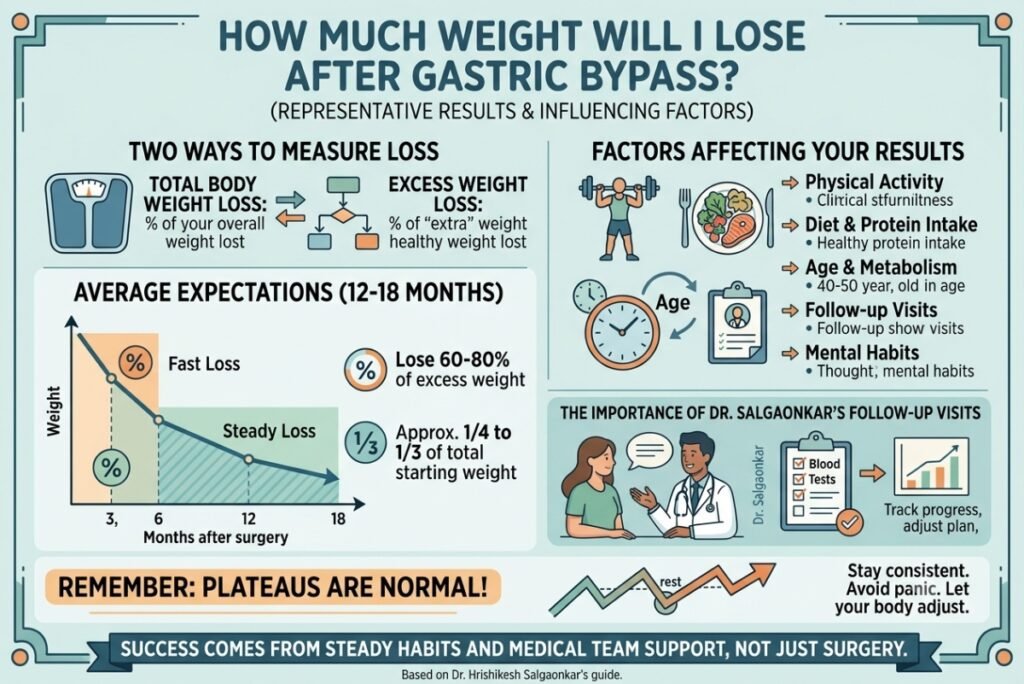
How Much Weight Will I Lose After Gastric Bypass? Introduction It’s probably the first question on your mind once you’ve decided on gastric bypass surgery: how much weight will I actually lose? It’s a fair thing to want clarity on. The honest answer is it depends on you, your body, and how closely you follow your plan afterward. But there are reliable patterns most patients follow, and understanding them can help you set realistic, healthy expectations. What “Weight Loss” Really Means Here Doctors usually talk about weight loss in two ways: total body weight loss and excess weight loss. Total body weight loss is simple; it’s just the percentage of your overall weight you lose. Excess weight loss looks at how much of the “extra” weight (above what’s considered a healthy weight for your height) you’ve lost. Your weight loss surgeon will likely use both terms during your consultations, so it helps to know they’re not measuring the same thing. The General Timeline Most patients lose weight fastest in the first three to six months after gastric bypass. This is when your body is adjusting to a much smaller stomach pouch, and you’re naturally eating far less. Between six and twelve months, weight loss continues but at a steadier, slower pace. By twelve to eighteen months, most people reach what’s called their lowest weight point the stage where loss naturally levels off. So, How Much Weight Can You Expect? On average, many gastric bypass patients lose somewhere between 60-80% of their excess weight within the first year to eighteen months. In terms of total body weight, this often works out to roughly a quarter to a third of someone’s starting weight. That said, these are general patterns, not guarantees. Two people with similar starting weights can have noticeably different results. Your weight loss surgeon can give you numbers more specific to your own health profile. What Actually Affects Your Results A few factors quietly shape how much weight you lose: Starting weight – Patients with a higher starting weight often lose more in absolute numbers. Age and metabolism – Younger patients sometimes see slightly faster results, though this varies a lot. Diet and protein intake – Following your post-surgery eating plan closely makes a real difference. Physical activity – Even simple daily movement supports steadier, healthier loss. Follow-up visits – Patients who stay in regular touch with their weight loss surgeon and dietitian tend to see better long-term results. Mental and emotional habits – Stress eating or skipping meals can both work against your progress. Diet and Exercise Aren’t Optional Extras Gastric bypass changes your stomach, but it doesn’t do all the work alone. The surgery gives you a head start, the daily choices you make afterward decide how far that head start takes you. Most surgeons recommend a high-protein, low-sugar diet in the early months, along with light walking that gradually builds into regular exercise. This isn’t about being extreme it’s about steady, sustainable habits. The Plateaus Are Completely Normal At some point, usually around six to nine months, your weight loss may slow down or pause for a few weeks. This is your body adjusting, not a sign that something’s wrong. Many patients panic at this stage, but plateaus are a well-documented, normal part of the process. Staying consistent, rather than making sudden, drastic changes, usually gets things moving again. Why Staying Connected With Your Weight Loss Surgeon Matters Your relationship with your weight loss surgeon doesn’t end on the operating table. Regular follow-ups with Dr. Hrishikesh Salgaonkar help track your progress, identify any nutrient deficiencies early, and adjust your plan as your body adapts after surgery. If your weight loss feels slower than expected or faster than expected avoid self-diagnosing through forums or social media. Instead, speak directly with Dr. Salgaonkar and his team. They understand your medical history, surgical procedure, and individual goals far better than any generic advice online. The Bottom Line There’s no single number that applies to everyone after gastric bypass. What’s far more useful than chasing an exact figure is focusing on consistent habits — eating well, moving daily, and staying in touch with your weight loss surgeon along the way. Real, lasting results come from the months and years after surgery, not just the surgery itself. Be patient with your body; it’s doing more than you can see.

Weight Loss Surgery

Weight Loss vs Fat Loss: What’s the Real Difference?

Weight Loss vs Fat Loss: What’s the Real Difference? Introduction Many people start their fitness journey with one goal in mind – losing weight. But after weeks of dieting or exercising, the number on the weighing scale may go down without any real improvement in body shape, strength, or overall health. This is where understanding the difference between weight loss and fat loss becomes important.Although these terms are often used interchangeably, they are not the same. Losing weight does not always mean losing unhealthy body fat. In fact, rapid weight loss can sometimes include loss of water, muscle, and essential nutrients. Understanding the right approach can help you achieve healthier and more sustainable results. Understanding Weight Loss When people talk about losing weight, they usually want the number on the scale to go down. Our body weight is made up of lots of things like water, fat, and muscle. So when we lose weight, it does not always mean we are getting healthier.Sometimes we lose weight fast because we lose water or muscle, not the extra fat we want to get rid of. This can happen when we try strict diets, eat too little food, exercise too much, or even after weight-loss surgery. We might see results quickly, but it can be hard to keep the weight off, and we may feel weak, tired, or low on energy. When people want to lose weight, they need to think about what is happening to their bodies during the process. Weight loss is not just about the number on the scale it is about being healthy. What is Fat Loss? Fat loss is the process by which the body sheds excess fat without compromising its muscle mass and strength. Fat loss is different from losing weight fast because it entails achieving improvements in physical composition.When one loses weight healthily, it takes place progressively through healthy eating practices, exercising, sleeping properly, and discipline. With time, the body uses up the stored fats to produce energy, and individuals start to feel more energetic, have a better physique, and develop self-confidence. Weight Loss vs Fat Loss: What is the Real Difference The main thing to know is that weight loss is about losing body weight, but fat loss is about losing fat. When you lose weight, it could be from losing water or muscle. That does not necessarily make you healthier. When you lose fat, it helps in many ways:● Metabolic health gets better● You have energy● Your muscles look more defined● It helps you keep your weight under control in the long run Mistakes People Make During Weight Loss Skipping Meals – People think that eating less food is the best way to lose weight fast. The thing is, when you skip meals, your body starts to slow down,n and you will want to eat more later. Following Crash Diets – Some diets are really strict. You might see results, for a little while, but they are hard to keep up with,h and you might lose muscle too. Ignoring Strength Training – If you only do cardio, you might lose some muscle. That is why strength training is good, because it helps you keep your muscles while you burn fat. Not Getting Sleep – When you do not sleep well,l it affects the hormones that tell you when you are hungry,ry and you might store more fat. Why Fat Loss Matters More Than Just Losing Weight Fat loss is not just about appearance it directly impacts overall health. Excess body fat, especially around the abdomen, increases the risk of:● Diabetes● High blood pressure● Heart disease● Joint pain● Hormonal imbalance Healthily reducing body fat can improve energy levels, mobility, confidence, and long-term health outcomes. The process of sustainable fat loss needs dedication and perseverance, which are key. Here are some of the methods: Maintaining a Healthy Diet That Includes Proteins● Leading an active lifestyle● Incorporating resistance training in exercise● Maintaining low levels of stress● Getting proper sleep● Avoiding unrealistic diet trendsFor people struggling with severe obesity or repeated weight regain, professional medical guidance may also be necessary. When Should You Visit a Weight Loss Surgeon? There comes a time when all of your efforts towards losing extra fat do not seem to work despite having a proper and balanced diet along with physical workouts. It can also happen due to underlying medical conditions, and in such scenarios, you should consider visiting a Weight Loss Surgeon.Dr. Hrishikesh Salgaonkar can be a wise choice if you want a solution to your weight problems. Being a Weight Loss Surgeon will examine your medical condition and provide you with a customized treatment plan for your problem. He is an expert in treating patients suffering from obesity using different surgical approaches.

Weight Loss Surgery

Struggling to Lose Weight Even After Dieting & Working Out? Find Out Why

Struggling to Lose Weight Even After Dieting & Working Out? Find Out Why Introduction You have reduced your calorie intake, you exercise regularly, and you try to be consistent – but nothing seems to work! Does that sound familiar? It happens to many residents of Mumbai. The problem is that weight loss is not always that easy. In most instances, your body will oppose any attempt to reduce weight because of underlying health conditions.Knowing why it’s difficult to lose weight is one of the most important steps to take before finding a solution. If you find yourself frustrated and unable to lose weight, then it might be time to seek proper treatment for obesity in Mumbai. Reasons Why Some People Have a Hard Time Losing Weight Losing weight is not universal. As such, while there are people who are able to do so easily, there are others who have a hard time doing so despite their best efforts. This is due to how the body works.The reason why is that the body may actually lower its metabolism due to eating too little. The purpose is survival, but it makes losing weight more difficult for the person, even when they work to do so. Common Hidden Reasons You Are Not Losing Weight Slow MetabolismA slow metabolism means that your body consumes less energy, which leads to poor weight loss results. Bad Dieting PracticeFollowing the wrong eating schedule and consuming too few calories will confuse your metabolism and trigger its conservation mode. Your body will start losing muscle mass and retaining fat. Endocrine DisordersSome hormonal conditions, such as PCOS, thyroid dysfunction, or insulin resistance, will impede your progress and result in unwanted fat accumulation. Too Much StressStress increases the amount of cortisol in your body, which promotes fat storage. In addition, emotional eating is common and often causes unwanted effects on one’s appearance. Poor Sleep CycleHormones responsible for hunger and satiety regulation, such as ghrelin and leptin, can be disturbed by lack of proper sleep. Overdoing Fitness ActivitiesToo much cardio and neglecting strength training routines can be counterproductive. Excessively high-intensity workouts can cause you to feel fatigued instead of experiencing positive results. Medical Reasons Behind Stubborn Weight In many cases, weight loss resistance is not just about lifestyle, it’s a medical issue. Obesity is a complex metabolic condition influenced by genetics, hormones, and how your body processes energy.If your body is not responding to traditional methods, it may require a more structured and medically guided approach. This is where consulting an experienced specialist like Dr. Hrishikesh Salgaonkar becomes important, as the focus is on identifying the root cause rather than just managing symptoms. When Should You Be Concerned? It’s important to pay attention to your body. You should consider consulting a specialist if: You are not losing weight despite a consistent diet and exercise You experience rapid or unexplained weight gain You feel constant fatigue or low energ You notice hormonal symptoms like irregular cycles or mood changes Ignoring these signs can delay proper treatment and make weight management more difficult in the long run. Treatment Options for Stubborn Weight Gain The right treatment depends on the underlying cause. For some, simple lifestyle changes may work, while others may need medical support. Treatment options include: Personalized diet and nutrition planning Structured fitness guidance Hormonal evaluation and treatment Medically supervised weight loss programs In more severe cases, advanced solutions like weight loss surgery in Mumbai may be recommended. These procedures are designed to help individuals achieve long-term results when other methods have not been effective. You can also explore different bariatric surgery options depending on your condition and health goals. Advanced Methods: How Robotically Performed Surgical Procedures Can Improve Your Experience in Losing Weight Diet and exercise often remain primary methods of losing weight, and that’s definitely true. Yet, if there comes a moment when your metabolism, hormones, or obesity itself prevent you from achieving desired results despite your efforts, you need to take further steps. Fortunately, modern medicine provides patients with advanced means of overcoming these obstacles. The latest trend, such as robotic-assisted bariatric surgery, makes procedures more accurate and minimally invasive, targeting the source of the problem to help you lose weight for good. The use of robotic devices for performing surgery ensures: Small incisions and less pain Rapid recovery Minimal risks Better results Why Diet and Exercise Alone Might Not Be Enough Many patients feel discouraged when strict dieting and regular workouts don’t deliver results. But in reality, this is often due to underlying biological factors rather than a lack of effort.In conditions like severe obesity, the body’s metabolism, hormones, and fat storage mechanisms are already altered. This makes it extremely difficult to achieve sustainable weight loss through lifestyle changes alone.If you have been struggling despite consistent efforts, consulting an expert like Dr. Hrishikesh Salgaonkar, recognized as the best surgeon in Mumbai, can help you understand whether you are a candidate for these advanced treatments. The Importance of Consultation with a Professional for Obesity Trying and failing with different diets and exercises will frustrate you due to the lack of information regarding how your body reacts. Getting professional advice means that your body will be healthier and treated accordingly. An experienced specialist can: Identify any potential medical problems Develop a treatment program personalized to your body Provide assistance to safely lose weight Avoid any typical problems Don’t Ignore this Signs Finding it difficult to lose weight despite making every effort can be discouraging for you, but you are not alone in this struggle; moreover, it’s often not always your fault. There might be many underlying health conditions and other causes behind weight gain, which deserve some attention.To avoid wasting more time and effort on this issue, consult an expert who can guide you to the right path towards successful and lasting weight loss. And if you wish to explore the treatment of obesity in Mumbai, then you are just one click away from it.

Weight Loss Surgery

Best Weight Loss Surgery in Mumbai–Safe,Structured, and Effective Care

Best Weight Loss Surgery in Mumbai – Safe, Structured, and Effective Care Introduction Obesity is a growing health concern that affects millions of people worldwide. Excess body weight can lead to serious health conditions such as diabetes, high blood pressure, heart disease, joint problems, and reduced quality of life. When diet, exercise, and lifestyle changes do not give long-term results, weight loss surgery becomes a medically guided option that supports controlled and sustainable weight reduction. In Mumbai, patients seeking the best weight loss surgery in Mumbai look for expert evaluation, personalised treatment planning, modern surgical approaches, and continuous medical supervision. Dr. Hrishikesh Salgaonkar is a trusted name in bariatric and metabolic surgery, offering advanced surgical care with a focus on safety, precision, and lasting results. Understanding Weight Loss Surgery Weight loss surgery, often referred to as bariatric surgery, involves surgical procedures that modify the digestive system to help individuals reduce excess body weight. These procedures work by limiting the amount of food the stomach can hold, reducing calorie absorption, or both. Before recommending surgery, a comprehensive evaluation is conducted, this includes: • Body Mass Index (BMI) assessment• Review of medical history• Evaluation of obesity-related health conditions• Nutritional and lifestyle assessment• Diagnostic tests and reportsThis thorough assessment ensures that surgery is appropriate and safe for each individual. Types of Weight Loss Surgery Offered Different patients require different surgical options based on their health condition, BMI, and treatment goals. Dr. Hrishikesh Salgaonkar offers a range of advanced surgical procedures in Mumbai, including: Gastric Sleeve SurgeryThis procedure removes a portion of the stomach to reduce its size, helping patients feel full sooner and eat less. Gastric Bypass SurgeryGastric bypass alters the digestive tract so that food bypasses part of the small intestine, reducing calorie absorption. Mini Gastric BypassThis is a simplified version of standard bypass surgery, designed to achieve similar weight loss results with fewer surgical steps. Metabolic SurgeryRecommended for patients with metabolic disorders such as type 2 diabetes, this procedure helps improve insulin resistance and enhance overall metabolic health. Each procedure is selected after careful discussion with the patient and complete medical evaluation. Modern Surgical Techniques and Safety Standards The best weight loss surgery in Mumbai is performed using minimally invasive techniques such as laparoscopy. These methods involve small incisions, which help reduce surgical trauma and promote faster recovery. Benefits of Minimally Invasive Surgery: • Smaller incisions• Reduced post-operative pain• Lower risk of infection• Shorter hospital stay• Faster return to daily activities• Minimal visible scarringStrict safety protocols, hygiene standards, and continuous monitoring ensure that every patient receives medically sound care. Personalised Treatment Planning Every patient’s health condition is unique, and so should be the treatment plan. Dr. Hrishikesh Salgaonkar follows a personalised approach to weight loss surgery, which includes: • Detailed pre-surgery consultation• Individualised procedure selection• Nutritional guidance and diet planning• Pre-operative preparation• Post-operative follow-up and lifestyle counsellingThis structured planning supports long-term success rather than short-term results. Benefits of Weight Loss Surgery When performed under expert medical supervision, weight loss surgery offers multiple health benefits: Key benefits: • Significant and sustained weight loss• Better control of obesity-related disorders such as diabetes and hypertension• Reduced joint strain and improved mobility• Enhanced energy levels and stamina• Improved overall quality of life• Increased self-confidence and mental well-beingWeight loss surgery helps patients move toward healthier living and improved physical comfort. Long-Term Support and Follow-Up Care Successful weight loss surgery requires continuous care even after the procedure. Follow-up support includes: • Regular medical check-ups• Diet and nutrition tracking• Exercise and lifestyle advice• Monitoring of vitamin and nutrient levels• Behavioural coachingThis ongoing care plays a key role in maintaining weight loss and ensuring lasting healthbenefits. Why Choose Dr. Hrishikesh Salgaonkar Choosing the right surgeon for weight loss surgery can make a significant difference in outcomes. Dr. Hrishikesh Salgaonkar combines experience, skill, and a patient-centred approach to deliver safe and effective surgical weight management. Key reasons to choose : • Expertise in bariatric and metabolic surgery• Use of modern laparoscopic techniques• Personalised treatment planning• Focus on patient safety and comfort• Clear communication and guidance• Structured post-surgery follow-upDr. Hrishikesh Salgaonkar follows evidence-based medical practices and ethical carestandards to help patients achieve meaningful health improvements. Conclusion Weight loss surgery is a life-changing medical option when performed with expert guidance and proper planning. Patients seeking the best weight loss surgery in Mumbai can benefit from modern surgical approaches, expert evaluation, personalised care, and ongoing support. With the help of experienced specialists like Dr. Hrishikesh Salgaonkar, individuals can take a confident step toward better health, improved quality of life, and long-term wellness.

Scroll to Top