
Can Walking Every Day Help You Lose Weight?
Introduction
Walking feels almost too simple to actually work, doesn’t it? No gym membership, no fancy equipment, just you and your shoes. But that simplicity is exactly why so many people wonder if it can really make a difference on the scale. Here’s an honest, easy-to-understand look at what daily walking can and can’t do for weight loss.
Does Walking Actually Help You Lose Weight?
Yes, walking burns real calories, and that consistent calorie burn is the foundation of weight loss. It also gently boosts your metabolism, helping your body convert food into energy more efficiently. Since walking is a low-impact activity, it’s much easier on your joints than running or high-intensity workouts, making it a sustainable choice for most people. Its simplicity is one of its greatest strengths, as it’s easier to maintain over the long term, and when it comes to achieving lasting results, consistency matters far more than intensity.
How Many Calories Does Walking Really Burn?
- A moderate 30-minute walk can burn roughly 100 to 200 calories, depending on your weight and pace.
- Faster walking or walking uphill burns more calories than a slow, flat stroll.
- Small daily amounts add up. Burning even 150 extra calories a day can support noticeable weight loss over weeks.
- Exact numbers vary from person to person, so think of these as helpful estimates, not strict rules.
How Much Should You Walk Each Day to See Results?
- Aim for around 30 to 45 minutes of walking most days of the week.
- A step count goal of 7,000 to 10,000 steps daily is a widely used, realistic target.
- If that feels like a lot right now, start with 10 to 15 minutes and build up gradually.
- Consistency over weeks matters far more than one long walk here and there.
Does Walking Speed Make a Difference?
Walking speed plays an important role in determining how many calories you burn. Brisk walking, where you can comfortably hold a conversation but not sing, burns noticeably more calories than a stroll. Adding short bursts of faster walking during your walk can further increase calorie expenditure without requiring you to jog.
Even if you prefer a relaxed pace, walking still delivers meaningful health benefits. While it burns calories at a slightly slower rate than brisk walking, it remains an effective way to support weight management, improve cardiovascular health, and stay physically active over the long term.
What Other Benefits Does Daily Walking Offer?
- Supports heart health by improving circulation and blood pressure.
- Helps regulate blood sugar levels, which is useful for overall metabolic health.
- Boosts mood and reduces stress, thanks to the release of feel-good brain chemicals.
- Improves sleep quality for many people.
- Strengthens muscles and joints gently, without heavy strain.
Can Walking Alone Lead to Significant Weight Loss?
- Walking works best as part of a bigger picture that includes balanced eating habits.
- For modest to steady weight loss, walking alone can work well over time.
- For those with significantly higher body weight or obesity-related health risks, doctors may recommend added options, including robotic weight loss surgery, when lifestyle changes alone aren’t enough.
- Even when preparing for or recovering from weight loss surgery, daily walking remains valuable for supporting long-term results.
- The takeaway: walking is powerful, but the right approach depends on your individual health picture.
What Are Some Practical Tips to Make Walking More Effective?
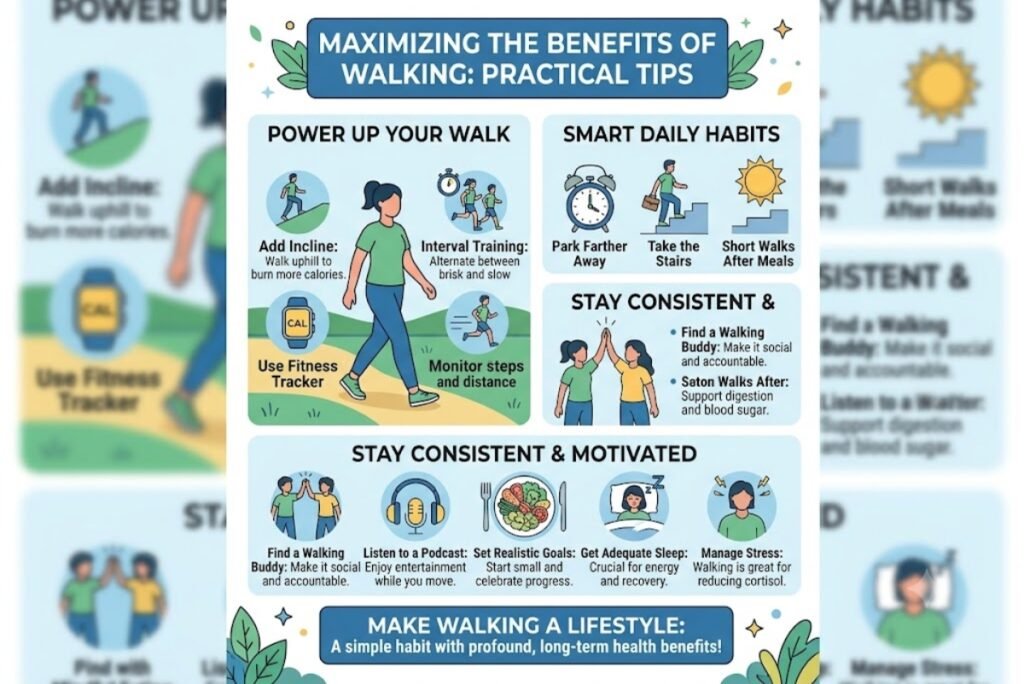
- Track your steps using a phone app or fitness band to stay motivated.
- Take the stairs instead of the elevator whenever possible.
- Go for a short walk after meals to support digestion and blood sugar control.
- Break walks into two or three shorter sessions if a long one feels difficult.
- Walk with a friend or listen to music or a podcast to make it enjoyable.
- Pair your walking routine with mindful eating for better overall results.
Who Should Be Cautious About Starting a Walking Routine?
- People with joint pain, arthritis, or recent injuries should start slowly and choose supportive footwear.
- Those with heart conditions or other chronic illnesses should check with a doctor before increasing activity levels.
- If you feel dizzy or short of breath or experience chest pain while walking, stop and seek medical advice.
- Starting gradually is always safer than pushing too hard too soon.
Final Thoughts
Walking every day genuinely can support weight loss, especially when paired with healthy eating and consistency. It won’t work like a quick fix, but it builds a foundation that’s sustainable and kind to your body. For some, walking alone is enough; for others facing more serious weight-related health concerns, it works alongside medical guidance or treatments like weight loss surgery, rather than replacing them. Either way, lacing up your shoes each day is a small step that adds up to something meaningful.