
Why Is Belly Fat So Difficult to Lose?
Introduction
Have you ever wondered why your arms and legs seem to slim down with exercise, but your belly just won’t budge? You’re not alone. This is one of the most common frustrations patients bring up in clinic, and it’s a fair question to ask.
Belly fat isn’t just about how your clothes fit. It’s connected to your metabolism, your hormones, and in some cases, your overall health risk. As a practicing weight-loss surgeon, Dr. Hrishikesh Salgaonkar meets patients every week who have tried diets, gym memberships, and every trending workout, only to find that their midsection barely changes. If this sounds familiar, this article will help you understand what’s really going on and what options actually work.
What Makes Belly Fat Different From Other Body Fat?
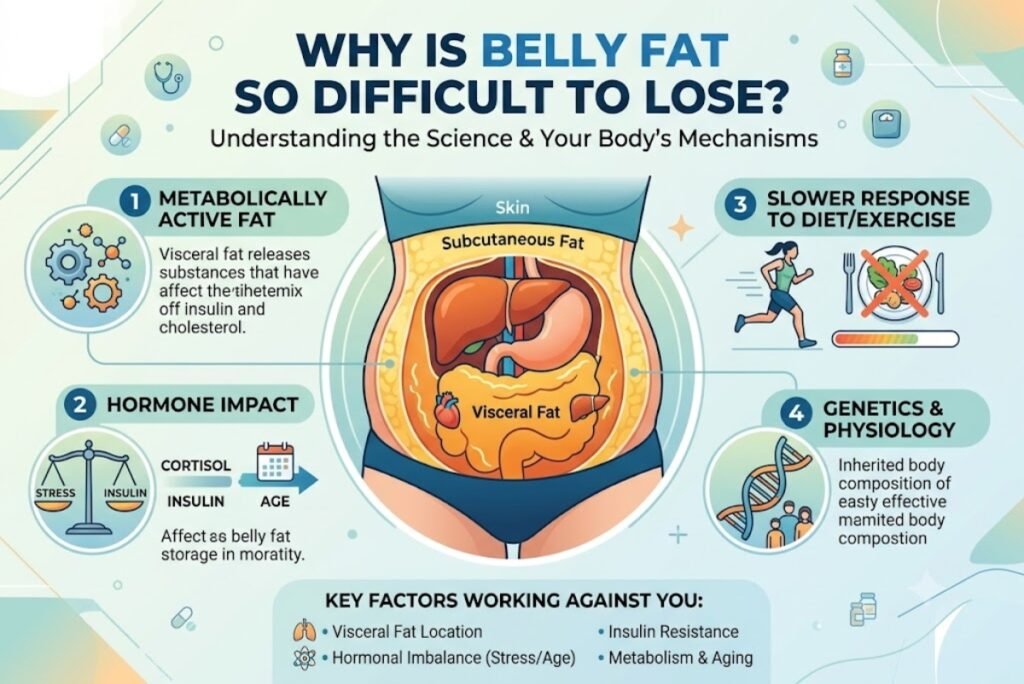
Not all fat behaves the same way. The fat around your belly is often what doctors call visceral fat, the kind that sits deep around your internal organs rather than just under the skin.
Here’s why that matters:
- Visceral fat is more metabolically active, meaning it releases substances that can affect blood sugar and cholesterol levels.
- It responds more slowly to diet and exercise than fat stored elsewhere in the body.
- It’s closely linked to insulin resistance, which can make fat loss even harder over time.
In simple terms, your body may be holding onto belly fat almost as a protective habit, especially if stress or poor sleep has been part of your routine for a while.
Why Does Belly Fat Feel So Stubborn to Lose?
Patients often ask this exact question, and the honest answer is, “Several things are working against you at once.”
Is It Just About Diet and Exercise?
Not entirely. While nutrition and movement absolutely matter, they’re only part of the picture. Genetics plays a role in where your body chooses to store fat. Some people are simply predisposed to carry more weight around the abdomen, regardless of effort.
Could Hormones Be the Real Reason?
Quite often, yes. Cortisol, the stress hormone, encourages fat storage specifically around the belly. Insulin resistance does something similar. And as we age, declining levels of certain hormones make it easier to gain weight in this area and harder to lose it.
Does Age Make a Difference?
It does. Metabolism naturally slows down with age. Muscle mass, which helps burn calories even at rest, tends to decrease over time unless it’s actively maintained. This is why the same diet that worked in your twenties may not deliver results in your forties.
What Are the Common Risk Factors?
Understanding your own risk factors can help you make sense of your body’s behavior. Some of the most common ones include:
- A sedentary lifestyle with long hours of sitting
- Chronic stress and irregular sleep patterns
- A diet high in refined sugar and processed food
- Underlying conditions like PCOS or thyroid imbalance
- A family history of obesity or metabolic syndrome
If several of these apply to you, please know it isn’t a reflection of willpower. Your body is responding to real physiological factors, and that’s exactly why a personalized medical approach often works better than generic advice.
Practical Tips That Can Genuinely Help
While medical guidance matters most for stubborn cases, these habits support any treatment plan:
- Prioritize protein and fiber in meals to support fullness and muscle maintenance
- Aim for consistent sleep, since poor sleep directly raises cortisol levels
- Include strength training, not just cardio, to preserve lean muscle
- Manage stress through small daily habits like walking or breathing exercises
- Stay consistent rather than perfect; sustainable change beats short bursts of extreme effort
Prevention: Small Steps That Protect You Long-Term
Prevention is always easier than correction. Regular movement, balanced meals, adequate sleep, and periodic health check-ups can prevent visceral fat from building up in the first place. Catching hormonal or metabolic issues early also makes future treatment far simpler.
A Reassuring Word Before You Go
Struggling with belly fat doesn’t mean you’re doing something wrong. Your body is complex, and sometimes it needs more support than diet and exercise alone can offer. You deserve answers, not judgment.
That’s where Dr. Hrishikesh Salgaonkar comes in. As a trusted Bariatric Surgeon in Mumbai, he takes the time to sit with patients, listen to their stories, and figure out what’s actually driving the weight gain in their cases. Sometimes the answer is a few smart lifestyle changes. Sometimes it’s medical management. And for some patients, surgery genuinely is the safest, most effective path forward. Either way, you won’t get a one-size-fits-all answer; you’ll get a plan that actually fits you.
If stubborn belly fat has been affecting your confidence or your health, consider booking a consultation. A clearer understanding of your body is often the first real step toward lasting change.