
Author name: Dr. Hrishikesh Salgaonkar

Uncategorized

Struggling to Lose Weight Even After Dieting & Working Out? Find Out Why

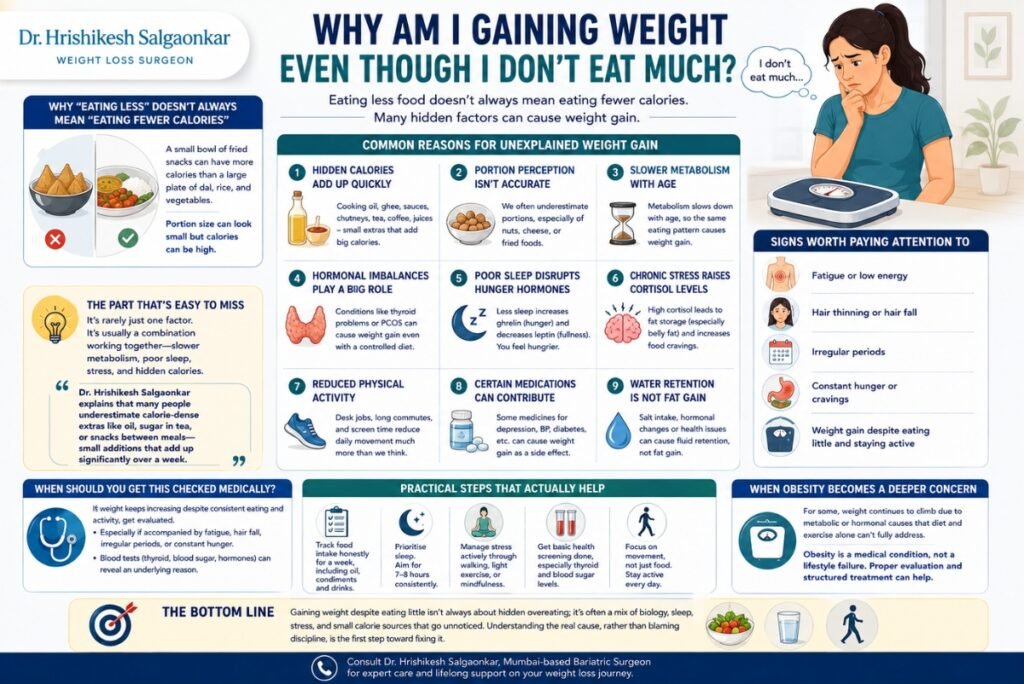
Struggling to Lose Weight Even After Dieting & Working Out? Find Out Why Introduction You have reduced your calorie intake, you exercise regularly, and you try to be consistent – but nothing seems to work! Does that sound familiar? It happens to many residents of Mumbai. The problem is that weight loss is not always that easy. In most instances, your body will oppose any attempt to reduce weight because of underlying health conditions.Knowing why it’s difficult to lose weight is one of the most important steps to take before finding a solution. If you find yourself frustrated and unable to lose weight, then it might be time to seek proper treatment for obesity in Mumbai. Reasons Why Some People Have a Hard Time Losing Weight Losing weight is not universal. As such, while there are people who are able to do so easily, there are others who have a hard time doing so despite their best efforts. This is due to how the body works.The reason why is that the body may actually lower its metabolism due to eating too little. The purpose is survival, but it makes losing weight more difficult for the person, even when they work to do so. Common Hidden Reasons You Are Not Losing Weight Slow MetabolismA slow metabolism means that your body consumes less energy, which leads to poor weight loss results. Bad Dieting PracticeFollowing the wrong eating schedule and consuming too few calories will confuse your metabolism and trigger its conservation mode. Your body will start losing muscle mass and retaining fat. Endocrine DisordersSome hormonal conditions, such as PCOS, thyroid dysfunction, or insulin resistance, will impede your progress and result in unwanted fat accumulation. Too Much StressStress increases the amount of cortisol in your body, which promotes fat storage. In addition, emotional eating is common and often causes unwanted effects on one’s appearance. Poor Sleep CycleHormones responsible for hunger and satiety regulation, such as ghrelin and leptin, can be disturbed by lack of proper sleep. Overdoing Fitness ActivitiesToo much cardio and neglecting strength training routines can be counterproductive. Excessively high-intensity workouts can cause you to feel fatigued instead of experiencing positive results. Medical Reasons Behind Stubborn Weight In many cases, weight loss resistance is not just about lifestyle, it’s a medical issue. Obesity is a complex metabolic condition influenced by genetics, hormones, and how your body processes energy.If your body is not responding to traditional methods, it may require a more structured and medically guided approach. This is where consulting an experienced specialist like Dr. Hrishikesh Salgaonkar becomes important, as the focus is on identifying the root cause rather than just managing symptoms. When Should You Be Concerned? It’s important to pay attention to your body. You should consider consulting a specialist if: You are not losing weight despite a consistent diet and exercise You experience rapid or unexplained weight gain You feel constant fatigue or low energ You notice hormonal symptoms like irregular cycles or mood changes Ignoring these signs can delay proper treatment and make weight management more difficult in the long run. Treatment Options for Stubborn Weight Gain The right treatment depends on the underlying cause. For some, simple lifestyle changes may work, while others may need medical support. Treatment options include: Personalized diet and nutrition planning Structured fitness guidance Hormonal evaluation and treatment Medically supervised weight loss programs In more severe cases, advanced solutions like weight loss surgery in Mumbai may be recommended. These procedures are designed to help individuals achieve long-term results when other methods have not been effective. You can also explore different bariatric surgery options depending on your condition and health goals. Advanced Methods: How Robotically Performed Surgical Procedures Can Improve Your Experience in Losing Weight Diet and exercise often remain primary methods of losing weight, and that’s definitely true. Yet, if there comes a moment when your metabolism, hormones, or obesity itself prevent you from achieving desired results despite your efforts, you need to take further steps. Fortunately, modern medicine provides patients with advanced means of overcoming these obstacles. The latest trend, such as robotic-assisted bariatric surgery, makes procedures more accurate and minimally invasive, targeting the source of the problem to help you lose weight for good. The use of robotic devices for performing surgery ensures: Small incisions and less pain Rapid recovery Minimal risks Better results Why Diet and Exercise Alone Might Not Be Enough Many patients feel discouraged when strict dieting and regular workouts don’t deliver results. But in reality, this is often due to underlying biological factors rather than a lack of effort.In conditions like severe obesity, the body’s metabolism, hormones, and fat storage mechanisms are already altered. This makes it extremely difficult to achieve sustainable weight loss through lifestyle changes alone.If you have been struggling despite consistent efforts, consulting an expert like Dr. Hrishikesh Salgaonkar, recognized as the best surgeon in Mumbai, can help you understand whether you are a candidate for these advanced treatments. The Importance of Consultation with a Professional for Obesity Trying and failing with different diets and exercises will frustrate you due to the lack of information regarding how your body reacts. Getting professional advice means that your body will be healthier and treated accordingly. An experienced specialist can: Identify any potential medical problems Develop a treatment program personalized to your body Provide assistance to safely lose weight Avoid any typical problems Don’t Ignore this Signs Finding it difficult to lose weight despite making every effort can be discouraging for you, but you are not alone in this struggle; moreover, it’s often not always your fault. There might be many underlying health conditions and other causes behind weight gain, which deserve some attention.To avoid wasting more time and effort on this issue, consult an expert who can guide you to the right path towards successful and lasting weight loss. And if you wish to explore the treatment of obesity in Mumbai, then you are just one click away from it.

Uncategorized

Life After Bariatric Surgery: Diet, Recovery & Long-Term Results

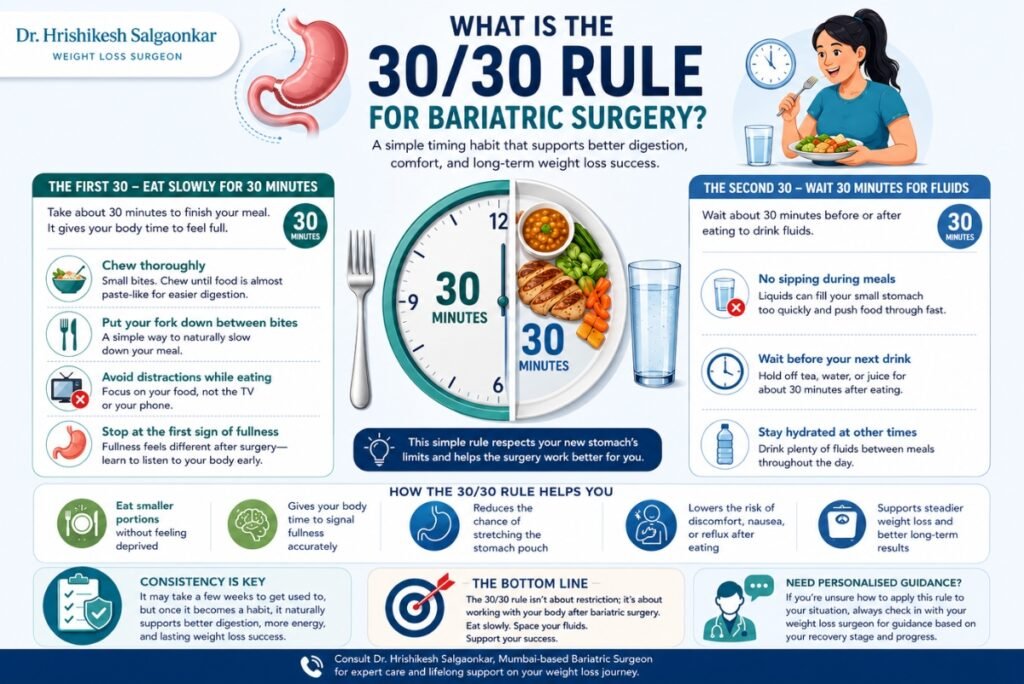
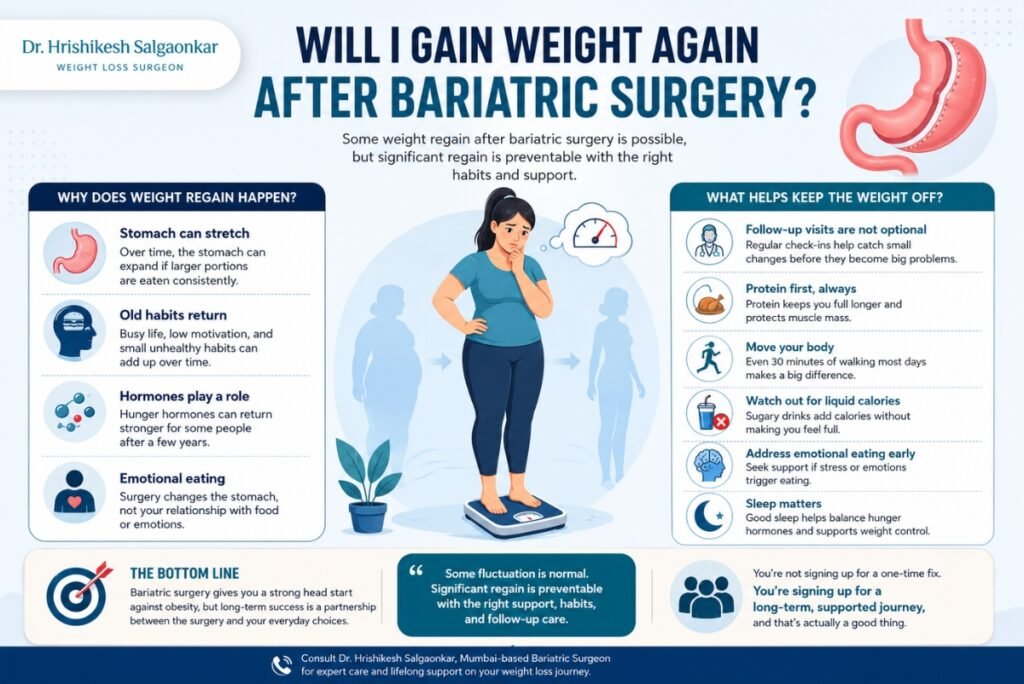
Bariatric Surgery in India: Procedure, Benefits, Risks & Recovery Explained Introduction For many people undergoing bariatric surgery, the surgical intervention marks the point where everything is going to change. However, post-bariatric life holds more importance than the operation itself. Patients find themselves inquisitive and at times fearful of how their lives will change after the surgery – eating habits, healing process, and even results.In reality, life after bariatric surgery is not all about weight loss. It involves changing one’s habits and making a complete lifestyle shift while learning to adapt to those changes. Working with a trusted surgeon, such as Dr. Hrishikesh Salgaonkar, the best obesity surgeon in Mumbai, can help you reach your goals. Understanding Life After Bariatric Surgery Life post-bariatric surgery starts right after leaving the hospital. Although the surgery will help with the shrinking of the stomach and managing your food consumption, this is where the real process will start taking place.Patients may find themselves in different states – happy, excited, and even confused. New eating habits will be adopted, small portions of food will be taken into consideration, and one’s metabolism will be reset. Diet After Bariatric Surgery: What Changes? One of the biggest adjustments after surgery is the diet. Eating habits must be rebuilt step by step to allow proper healing and long-term success. Liquid Diet (First Few Days Post-Surgery)Immediately following surgery, patients are recommended to stick to liquid diets. This is to reduce the pressure on the stomach and stay hydrated. Soft Diet Phase (Next Few Weeks)Little by little, the patient will start consuming more foods, such as soups, mashed veggies, and high-protein drinks. The portion size remains tiny during this phase. Solid Food (Following Recovery)Slowly, patients return to solid foods, but in much smaller portions than before. The focus shifts to: High protein consumption, Low sugar foods, low fats, Many small meals per day Long-Term Eating HabitsWhen the patient has fully recovered, they should keep their body supplied with all the necessary nutrients. Otherwise, overeating and choosing the wrong foods may have an effect. Vitamin and mineral supplementation is recommended. Recovery After Surgery: What Patients Experience Recovery is a slow process, and each person takes their time. The initial days might have some pain and exhaustion, which is very normal. Patients should walk slowly to promote blood flow and prevent any further complications.In the second week, most individuals begin feeling better, enabling them to undertake simple daily duties. The body starts regaining energy and adapting to the decrease in food consumption.During the third to sixth week, there will be a notable improvement in recovery. Patients can resume most of their daily tasks except those involving strenuous exercises such as weightlifting. Get the Long-Term Results After Bariatric Surgery The long-term results of bariatric surgery are often life-changing, but they depend heavily on lifestyle habits. Most patients experience: Significant and sustained weight loss Improvement in diabetes, blood pressure, and joint pain Increased energy levels and mobility Better confidence and mental well-being However, long-term success is not automatic. Studies show that while many patients maintain weight loss, some may face challenges like weight fluctuations or nutritional deficiencies if follow-up care is ignored. Regular check-ups, healthy eating, and physical activity are essential for maintaining results. Lifestyle Changes After Surgery In addition to being a medical procedure, bariatric surgery is also a commitment to a healthier way of living. With proper guidance from the best obesity surgeon in Mumbai, patients can achieve safer recovery and long-term success. Here is what patients should do post-surgery: Have small, frequent, and well-balanced meals Do regular light or moderate exercises Take their vitamin or supplement medications Follow up consultations without any skips Focus on mental and emotional well-being Many individuals have been noted to gain confidence post-surgery, while others might need some help with body-image change acceptance and adjusting to their new way of eating. Why is choosing a surgeon important? Not only will surgery bring health benefits, but it also requires continuous care and expert supervision in order to have the best possible outcomes. An excellent specialist who performs bariatric surgery includes: Pre-operation evaluations Use of safe techniques Personalized nutrition and recovery guidelines Continuous monitoring of patients’ progress

Uncategorized

Why Is Obesity Increasing Among Young Adults? Key Reasons You Should Know

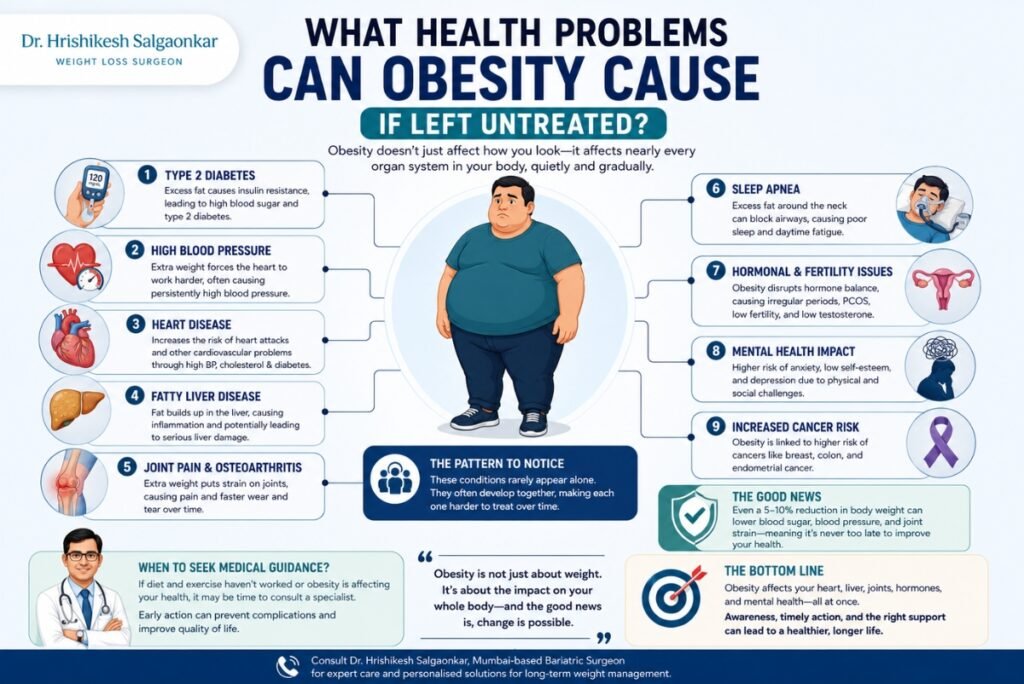
Why Is Obesity Increasing Among Young Adults? Key Reasons You Should Know Introduction In recent times, obesity cases among the younger generation have been on the rise. What used to be regarded as a disease prevalent only among the elderly population has now become a common phenomenon among individuals aged 20 and above, even down to late teenagers. This is more than just a superficial issue, but a serious medical condition associated with various risks.The factors behind the prevalence of obesity among younger individuals have been numerous, ranging from lifestyle changes to dietary practices. Knowledge of the root causes is necessary since obesity goes beyond being overweight,t but is a metabolic disorder. In cities like Mumbai, where fast-paced living is common, this trend is becoming even more noticeable. Consulting an experienced specialist such as Dr. Hrishikesh Salgaonkar, known as the Best Obesity Surgeon in Mumbai, can help in proper evaluation and treatment when needed. What Is Obesity in Young Adults? The term obesity in young adults is described as an excessive amount of body fat that could have adverse effects on an individual’s health. From a medical point of view, BMI is normally used to measure obesity, whereby a person is said to be obese when his/her BMI is greater than 30.While weight gain involves just weight increase, obesity involves more than just weight gain. It is associated with changes in hormone functioning. What Is Causing More Young Adults to Become Obese? Obesity in young adults results from several reasons and not just one factor. Some medical and lifestyle aspects are involved in leading someone to become obese over time. Medical Explanation (Basic Factor): At its core, obesity occurs when an individual’s body uses more calories than it burns off. This will lead to the accumulation of fats in the body. In addition, inactivity and slow metabolism exacerbate the problem. Major Medical & Lifestyle Factors: Perhaps the most notable cause is dietary habits. Consuming many fast foods, sugary beverages, and processed foods causes people to consume many calories. The other cause relates to a lack of activity because people spend much time sitting, watching screens, and avoiding physical exercise. Sleep Also Plays a Major Role: Poor sleep disrupts hormones such as ghrelin and leptin, leading to overeating. Stress and its impacts are key contributors as well. Emotional eating in stress and tension related to school or work leads to obesity. Sometimes genetic causes and hormonal issues could be responsible as well. Key Reasons Why Obesity Is Increasing Among Young Adults Unhealthy Eating Habits Frequent: intake of junk food, sugary beverages, and irregular meals leads to excess calorie consumption. Sedentary Lifestyle: Increased screen time, online work, and lack of exercise reduce daily physical activity. Stress & Mental Health Stress: often leads to emotional eating, increasing calorie intake without awareness. Lack of Sleep Poor: sleep disrupts hormone balance, increasing hunger and cravings. Hormonal & Genetic Factors: Conditions like thyroid disorders or family history can increase the risk of obesity. Why Obesity Is a Medical Concern (Not Just Weight Gain) Obesity is not just a physical change; it is a medical condition that can lead to serious health complications. It increases the risk of type 2 diabetes, high blood pressure, heart disease, and even joint problems at a young age. It can also affect mental health, leading to low self-confidence and reduced quality of life.Early identification and treatment are important to prevent long-term complications. Early Warning Signs of Obesity in Young Adults Unexplained or rapid weight gain Constant fatigue or low energy Shortness of breath during light activity Reduced stamina Difficulty in maintaining weight despite efforts When Should You Consult a Doctor in Mumbai? If weight gain continues despite diet and exercise, or if it starts affecting your daily life and health, it is important to consult a specialist. Hormonal symptoms, persistent fatigue, or difficulty losing weight are also warning signs that should not be ignored.In such cases, consultation with an experienced expert like Dr. Hrishikesh Salgaonkar, recognized as the Best Obesity Surgeon in Mumbai, can help in proper diagnosis and treatment planning based on individual health needs. Treatment Options for Obesity Obesity can be managed through lifestyle modifications such as maintaining healthy dietary habits, exercising, and making certain behavioral adjustments. There are also instances when medical assistance and participation in weight reduction programs are needed.In cases of severe obesity, when the above-mentioned methods are not sufficient, there is a need to consider more complex medical treatment options. These include various kinds of surgeries that aim to facilitate weight loss.

Uncategorized

Bariatric Surgery in India: Procedure, Benefits, Risks & Recovery Explained

Bariatric Surgery in India: Procedure, Benefits, Risks & Recovery Explained Introduction In case various methods like diet, physical activity, and modification in your lifestyle have not helped you lose weight, then you cannot do anything other than surgical treatment.In today’s society, obesity can substantially impact the quality of your life. This is the reason why surgical weight reduction is an ideal choice for those patients who want to enhance their quality of life. What is Bariatric Surgery? Weight loss or bariatric surgery is a medical method used in cases of excess weight when it becomes difficult to manage through diet and exercise alone. It involves making changes to the structure of the digestive system to support long-term weight loss. Consulting an experienced specialist like the best bariatric surgeon in Mumbai ensures the procedure is safe, effective, and presonalized to your needs. Decreasing the volume of the stomach Restricting the amount of food one can eat Changing the way the body uses nutrients It’s important to understand that this is not a shortcut, but a medically guided solution for long-term weight management. Who is Eligible for Bariatric Surgery? As mentioned, the above operation may not be ideal for every person out there. There are some conditions and criteria one must fulfill in order to become a patient in need of the procedure.The following is what makes someone a suitable candidate: BMI of 35 or higher BMI of 30+ with health conditions like diabetes, high blood pressure, or sleep apnea People who haven’t achieved results with diet and exercise Eligibility also depends on your overall health and readiness to follow lifestyle changes after surgery. How Is Bariatric Surgery Done? It is done using advanced surgical procedures in most cases, which leads to faster recovery and less post-surgical pain for the patient. The following steps summarize the process of a bariatric procedure: General Anesthesia Administration : During bariatric surgery, the patient is given general anesthesia. It means you’ll be asleep while your doctor performs the operation and feel no pain. Small Cuts Are MadeIn contrast to one big cut, the surgeon makes several small ones on your abdomen, leading to quicker recovery. The Stomach’s Volume ReductionAs part of the procedure, your surgeon adjusts the stomach volume or shape to reduce food intake and calorie assimilation. This step is vital to achieving long-lasting results. Surgery LengthGenerally, such a procedure lasts from one to three hours, depending on its complexity and nature. Post-operative CareAfter completing the surgery, patients stay under supervision in the hospital. Doctors monitor them, treat pain, and provide guidelines on how to lead a lifestyle after the treatment. Advantages of Bariatric Surgery There are several advantages of bariatric surgery, particularly for those patients who are suffering from obesity complications. If done in conjunction with good care and lifestyle modifications, the effects are enduring.The following points describe the key advantages: Achieving and Maintaining Weight Loss :Surgery can help patients lose considerable amounts of weight that cannot be achieved otherwise. Improved Symptoms of Medical Problems Related to ObesityDiseases like type 2 diabetes, high blood pressure, and joint problems usually improve post-surgery. Improvement in Quality of LifePatients gain more mobility, have greater energy, and enjoy a better quality of life in general. Are There Any Risks? Like any surgery, bariatric procedures carry some risks, but they are usually minimal when performed by an experienced surgeon. Possible risks include: Infection Nutritional deficiencies Temporary discomfort These can be effectively managed with proper care and follow-ups. Bariatric Surgery Recovery Timeline Recovery after bariatric surgery is gradual, and an understanding of what to expect during the process may come in handy. The First 3 DaysThis period marks the beginning of recovery when you may feel fatigued and have some pain. The first few days should be spent lying down in bed, and only drinking clear liquids and walking short distances is recommended. Weeks 1 – 2 (Body Adjustment Period)During this period, your body will be changing as a result of surgery. Gradual change in your diet begins from liquid food to soft food. In addition, you will have higher energy, and light exercises can be taken. Weeks 3 – 4 (Recovery Development)Patients recover completely by this time and feel much better. Consumption of semi-solid food is recommended,d and regular activities can resume. Weeks 5 -6 (Body Stability Period)Your body will be strong enough and can support a balanced diet and exercise. However, physical activities can increase moderately. 2 Months LaterBy this point, significant weight loss is expected, and stamina improves. Exercise and nutrition become a routine part of life. Life After Bariatric Surgery Bariatric surgery is just the beginning long-term success depends on lifestyle changes. After surgery, patients need to: Follow a healthy, portion-controlled diet  Stay physically active Take prescribed supplements Attend regular follow-ups Most patients experience not just weight loss, but a complete improvement in their health and confidence. Why the Choice of Surgeon Is Important The choice of a good surgeon is one of the critical points of the whole process of weight reduction. This involves not only the surgery but also all the guarantees, the safety of the operation, and appropriate recommendations during each phase of the process. Having an experienced specialist who would guarantee the accuracy of the diagnosis, appropriate surgical intervention, and total support during all phases of the procedure is essential. Conclusion Making such a huge decision like opting for bariatric surgery may seem difficult at first, but in many cases, it becomes a very life-altering one.At the hands of the best bariatric surgeon in Mumbai, Dr. Hrishikesh Salgaonkar, you can be assured that you are in good hands. With the right help and a positive attitude from your end, you will be able to change your life for the better!

Uncategorized

Recovery After Hernia Surgery: Tips and Timeline for Patients in India

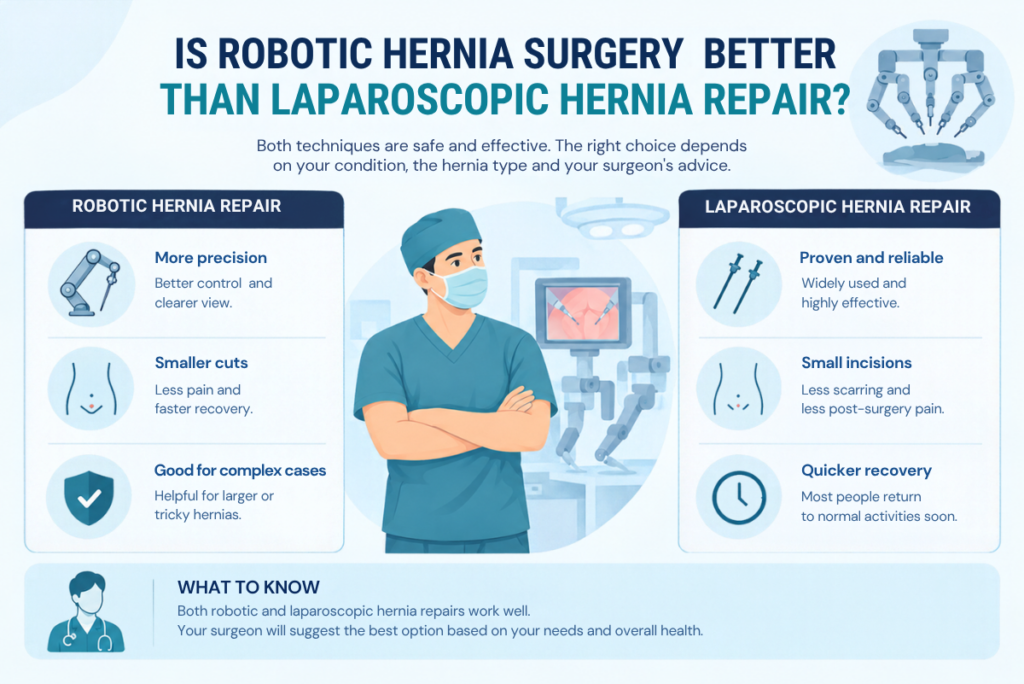
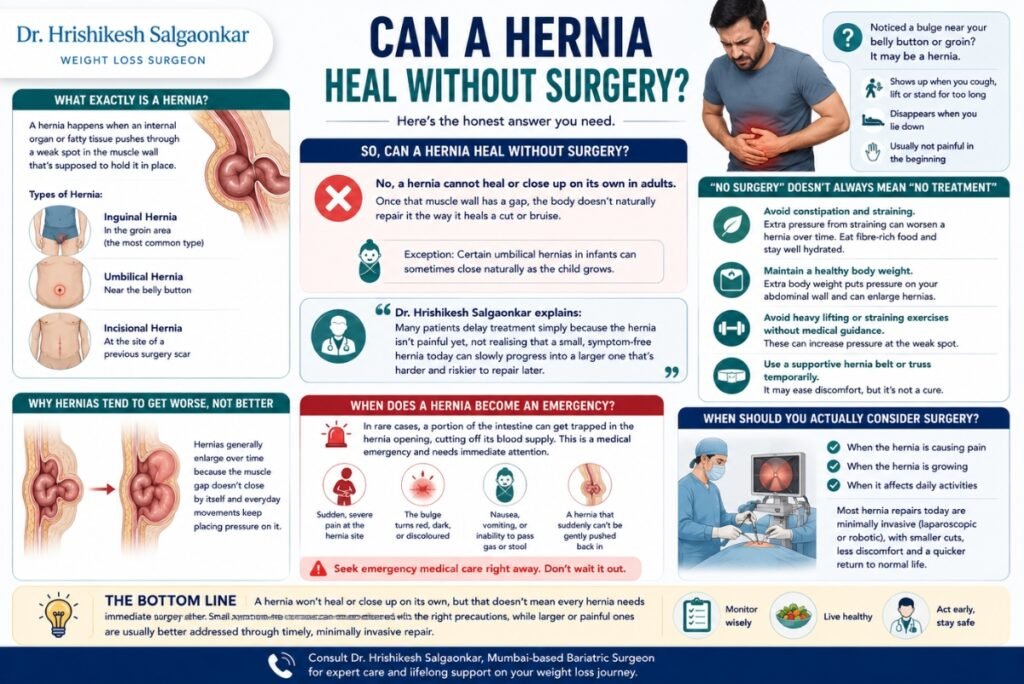
Recovery After Hernia Surgery: Tips and Timeline for Patients in India Introduction Hernia surgery can relieve years of suffering and pain. However, once the surgery is completed, most people wonder, “When will my body recover, and how should I proceed?”Are you currently at this stage? There is no need to panic. In most cases, postoperative recovery after a hernia surgery is relatively easy if the necessary measures are taken. With the help of a proficient surgeon, such as Dr. Hrishikesh Salgaonkar, who is the best hernia surgeon in Mumbai, you will find that recovery time is shorter than you might expect. What to Expect After Hernia Surgery Following the operation for a hernia, it is very natural to have some pain or discomfort at the surgical site. The process of recovery from surgery involves such changes as part of the healing process.However, it must be said that the course of recovery depends on the type of operation conducted. Thus, if the surgery was performed using an open procedure, then it will take some time; whereas, the laparoscopic procedure will ensure rapid recovery and minimal pain on the part of the patient.With the help of modern techniques, it becomes possible to experience a rather pleasant process of recovery. For instance, if a patient picks up an experienced doctor, such as a Robotic Hernia Surgeon in Mumbai, this will have a beneficial effect on the process of recovery.In any event, following the doctor’s instructions and having proper rest will be the key things to do. Recovery Process: What to Expect Following Hernia Surgery (Day 1 to Week 6) Recovering from hernia surgery occurs through different phases. Knowing about them will make your recovery process easier. Days 1-3 (Initial Recovery Period)There is some discomfort, which is a common experience during recovery. Doctors advise rest and taking walks to aid the process. Week 1-2 (Early Recovery Phase)Pain decreases, and you can do some light tasks daily. You should not lift heavy weights at this stage. Week 3-4 (Mid-Stage Recovery)The majority of people get better during this period. You can easily move around and carry out some of your usual duties. Week 5-6 (Final Recovery Phase)Now, you can start engaging in your regular activities. The process will be completed shortly after week 6. Key Tips for Quick Recovery Some tips may be considered to speed up the process of recovery.1. Stay Active but not Overly : Walking will aid in better circulation and will prevent stiffness. This must be started slowly and incrementally. 2. Follow the Indian Diet Scheme : Consume nutritious food items, including:Dal, Roti, and Vegetables, Fiber-rich Fruits, A lot of liquidsOily and greasy foods need to be avoided as they cause constipation, which adds extra pressure to the wounds. 3. Do Not Lift Heavier Objects : This is amongst the most important steps one must take care of. Lifting heavier objects will only result in delaying the process or giving rise to complications. 4. Ensure Adequate Care for the Wounds : Keep the wounds clean and dry to avoid infections. This needs to be followed according to the instructions provided by the doctor. 5. Participate in Follow-Ups : It is advisable to visit follow-ups regardless of how well one feels. Common Mistakes to Avoid After Hernia Surgery Many patients unknowingly slow down their recovery by making small mistakes, such as: Starting gym or heavy work too early  Ignoring pain or discomfort Not following dietary advice Skipping doctor visits Avoiding these mistakes can make your recovery much smoother When Should You Call Your Doctor? While most patients recover without issues, you should contact your doctor if you notice: Severe or increasing pain Fever Redness or swelling Any unusual discharge from the wound Early attention can prevent complications and ensure safe healing. Why Choosing the Right Surgeon is Important Your recovery does not depend only on what happens after the operation; you need to choose a good surgeon first. Having an experienced specialist who, for instance, has been chosen among the Best Hernia Surgeons in India, will help you have: Less pain Rapid recovery Fewer risks of having complications So, if you want to get the Robotic Hernia Surgery in India done successfully, you should find an experienced surgeon. Conclusion Hernia surgery is generally less complex and less time consuming than other types of surgery; if you exercise proper care and allow adequate healing time, your recovery should be faster than anticipated. You can return to your daily life safely in as little as four weeks with the help of good quality care, proper health habits, and an experienced physician such as Dr. Hrishikesh Salgaonkar.The initial phase of your recovery from hernia surgery will involve seeing a skilled surgeon for additional information about how to make a successful transition back to your everyday life.

Uncategorized

World Health Day 2026: Understanding Robotic Surgery Step-by-Step for Better Health in India

World Health Day 2026: Understanding Robotic Surgery Step-by-Step for Better Health in India Introduction World Health Day 2026 focuses on improving access to advanced healthcare and promoting better treatment outcomes through innovation. One of the most significant advancements in modern medicine is robotic-assisted surgery. This cutting-edge technology allows surgeons to perform complex procedures with enhanced precision, smaller incisions, and faster recovery. As awareness grows, many patients are actively searching for the Best Robotic Surgeon in Mumbai to benefit from safer and more effective surgical care. Robotic surgery has transformed the way procedures are performed across multiple specialties. Unlike traditional open surgery, robotic-assisted techniques use small incisions and high-definition visualization to improve surgical accuracy. This results in less pain, minimal scarring, reduced complications, and quicker return to daily life. With these benefits, robotic surgery is becoming an important part of India’s evolving healthcare system. What is Robotic Surgery? Robotic surgery is a minimally invasive procedure where the surgeon uses a robotic system to operate with improved control and precision. The robot does not operate on its own; instead, it translates the surgeon’s hand movements into highly precise movements of miniaturized instruments. Key features of robotic surgery include: High-definition 3D magnified vision Enhanced precision and flexibility Smaller surgical incisions Better control during complex procedures Reduced blood loss Faster recovery Because of these advantages, patients increasingly look for the Best Robotic Surgeon in India when considering advanced surgical treatment. Step-by-Step: How Robotic Surgery Works Understanding the robotic surgery process step-by-step helps patients feel more confident before undergoing the procedure Step 1: Pre-Surgical Consultation The process begins with a detailed consultation. The surgeon evaluates the patient’s medical history, performs a physical examination, and recommends imaging tests if required. Based on the diagnosis, robotic surgery may be suggested as the most effective treatment option. Step 2: Surgical Planning Before the procedure, the surgical team carefully plans the operation. This includes reviewing imaging reports, identifying the surgical approach, and preparing robotic instruments. This planning improves accuracy and safety. Step 3: Anesthesia and Small Incisions On the day of surgery, anesthesia is administered for patient comfort. The surgeon makes a few small incisions instead of one large cut. These small openings allow robotic instruments and a camera to enter the surgical area. Step 4: Robotic System Control The surgeon sits at a console and controls robotic arms. A high-definition 3D camera provides a magnified view of the surgical area. The robotic arms move with precision based on the surgeon’s hand movements. Step 5: Performing the Surgery Using robotic instruments, the surgeon performs the procedure with enhanced accuracy. The robotic system allows delicate tissue handling, reducing trauma to surrounding structures. Step 6: Completion and Recovery After completing the surgery, the instruments are removed, and the incisions are closed. Patients are then shifted to recovery for monitoring. Most patients experience quicker recovery compared to traditional surgery. This step-by-step approach ensures better surgical outcomes and is one reason why patients prefer consulting the Best Robotic Surgeon in Mumbai. Benefits of Robotic Surgery Robotic surgery offers several benefits compared to traditional open surgery. These advantages improve both surgical outcomes and patient comfort. Smaller incisions and minimal scarring Reduced blood loss during surgery Lower risk of infection Less post-operative pain Faster recovery time Shorter hospital stay Early return to normal activities Improved surgical precision These benefits make robotic-assisted procedures increasingly popular across India. Who is an Ideal Candidate for Robotic Surgery? Robotic surgery is suitable for many patients depending on their condition and overall health. It is typically recommended for: Patients requiring minimally invasive surgery Individuals with complex surgical conditions Patients seeking a faster recovery Patients with obesity or high surgical risk Individuals wanting minimal scarring Patients requiring precision-based surgery A detailed consultation helps determine whether robotic surgery is the best treatment option. Why Robotic Surgery is the Future of Healthcare in India India’s healthcare system is rapidly adopting advanced technologies to improve treatment outcomes. Robotic surgery plays a key role in this transformation by providing safer and more accurate surgical options. It also reduces hospital stays, which helps improve overall healthcare efficiency. Robotic-assisted procedures allow surgeons to perform delicate operations with enhanced control. This reduces complications and improves patient satisfaction. As awareness increases, more hospitals are investing in robotic surgical platforms. Expertise Matters in Robotic Surgery The success of robotic surgery depends heavily on the surgeon’s experience and expertise. Proper planning, accurate execution, and post-operative care all contribute to better outcomes. Dr. Hrishikesh Salgaonkar is known for performing advanced robotic-assisted procedures with a focus on patient safety and precision. With a patient-centric approach, he emphasizes detailed evaluation, transparent consultation, and personalized treatment planning. This ensures patients receive advanced care tailored to their condition. Why Patients Prefer Robotic Surgery Patients today prefer robotic surgery due to its minimally invasive nature and quicker recovery. The procedure causes less trauma to the body, resulting in reduced pain and improved healing. Additionally, smaller incisions lead to better cosmetic results. Robotic systems also provide improved dexterity, allowing surgeons to perform complex procedures more effectively. This improves surgical accuracy and reduces complications. Conclusion World Health Day 2026 highlights the importance of modern technology in improving healthcare outcomes. Robotic surgery represents a major step toward safer and more efficient treatment. By combining surgical expertise with advanced robotic systems, patients can experience improved results and faster recovery. As awareness grows, more patients are choosing robotic-assisted procedures for better health outcomes. Consulting the Best Robotic Surgeon in Mumbai, like Dr. Hrishikesh Salgaonkar, ensures access to advanced technology, precise surgical care, and personalized treatment. With continuous innovation and expert guidance, robotic surgery is shaping the future of healthcare and supporting better health across India.

Uncategorized

Advanced Bariatric Surgery in Mumbai – Expert Weight Loss Solutions

Advanced Bariatric Surgery in Mumbai – Expert Weight Loss Solutions Introduction When it comes to advanced weight loss solutions, choosing the best bariatric surgeon in Mumbai, India is a crucial decision. Bariatric surgery is not just about weight reduction – it is a structured medical solution for individuals struggling with obesity and related health conditions such as diabetes, high blood pressure, sleep apnea, and joint problems. With proper evaluation, expert surgical skills, and long-term follow-up care, patients can achieve sustainable weight loss and improved overall health. Dr. Hrishikesh Salgaonkar is a highly experienced gastrointestinal and bariatric surgeon known for providing advanced and patient-focused obesity treatment solutions. His approach combines medical expertise, modern surgical technology, and personalised care planning to deliver safe and effective outcomes. What is Bariatric Surgery? Bariatric surgery includes advanced procedures designed to help individuals lose weight bymodifying the digestive system. These procedures work by: • Reducing stomach size• Limiting food intake• Altering digestion and absorption• Supporting hormonal changes that control appetite Common bariatric procedures include gastric bypass, sleeve gastrectomy, and other minimallyinvasive techniques. These surgeries are recommended for patients with severe obesity who havenot achieved results through diet and exercise alone. Advanced Surgical Techniques Modern bariatric surgery is performed using minimally invasive laparoscopic or robotic-assisted techniques. These advanced methods offer: • Smaller incisions• Less post-operative pain• Reduced blood loss• Faster recovery• Shorter hospital stayPrecision and safety are prioritised at every stage, from pre-surgical assessment to post-operativefollow-up. Benefits of Bariatric Surgery Choosing the best bariatric surgeon in Mumbai, India provides access to structured and comprehensive obesity care. Key benefits include: • Significant and sustainable weight loss• Improved blood sugar control• Better heart health• Reduced joint stress• Enhanced mobility• Improved quality of lifeMany patients also experience improvement or resolution of obesity-related medical conditions. Why Choose Dr. Hrishikesh Salgaonkar? Every patient’s health condition is different. Dr. Hrishikesh Salgaonkar follows a personalised treatment model to ensure effective and safe outcomes. • Expertise in advanced bariatric and gastrointestinal surgery• Personalised treatment planning• Detailed pre-surgery evaluation• Focus on patient safety and comfort• Long-term follow-up and lifestyle guidance• Ethical and transparent medical approachEach patient receives individual attention to ensure the most suitable treatment plan based on theirmedical history and health goals. Patient-Centred Care Approach Successful weight loss surgery depends on more than just the procedure. Comprehensive care includes: • Nutritional guidance• Lifestyle counselling• Regular monitoring• Emotional and motivational supportA structured follow-up plan helps patients maintain long-term results and adapt to healthy lifestyle changes. Conclusion Selecting the best bariatric surgeon in Mumbai, India ensures access to safe, advanced, and resultoriented obesity treatment. With modern surgical techniques, personalised care, and long-term support, patients can take a confident step toward improved health and a better quality of life.

Uncategorized

Best Weight Loss Surgery in Mumbai–Safe,Structured, and Effective Care

Best Weight Loss Surgery in Mumbai – Safe, Structured, and Effective Care Introduction Obesity is a growing health concern that affects millions of people worldwide. Excess body weight can lead to serious health conditions such as diabetes, high blood pressure, heart disease, joint problems, and reduced quality of life. When diet, exercise, and lifestyle changes do not give long-term results, weight loss surgery becomes a medically guided option that supports controlled and sustainable weight reduction. In Mumbai, patients seeking the best weight loss surgery in Mumbai look for expert evaluation, personalised treatment planning, modern surgical approaches, and continuous medical supervision. Dr. Hrishikesh Salgaonkar is a trusted name in bariatric and metabolic surgery, offering advanced surgical care with a focus on safety, precision, and lasting results. Understanding Weight Loss Surgery Weight loss surgery, often referred to as bariatric surgery, involves surgical procedures that modify the digestive system to help individuals reduce excess body weight. These procedures work by limiting the amount of food the stomach can hold, reducing calorie absorption, or both. Before recommending surgery, a comprehensive evaluation is conducted, this includes: • Body Mass Index (BMI) assessment• Review of medical history• Evaluation of obesity-related health conditions• Nutritional and lifestyle assessment• Diagnostic tests and reportsThis thorough assessment ensures that surgery is appropriate and safe for each individual. Types of Weight Loss Surgery Offered Different patients require different surgical options based on their health condition, BMI, and treatment goals. Dr. Hrishikesh Salgaonkar offers a range of advanced surgical procedures in Mumbai, including: Gastric Sleeve SurgeryThis procedure removes a portion of the stomach to reduce its size, helping patients feel full sooner and eat less. Gastric Bypass SurgeryGastric bypass alters the digestive tract so that food bypasses part of the small intestine, reducing calorie absorption. Mini Gastric BypassThis is a simplified version of standard bypass surgery, designed to achieve similar weight loss results with fewer surgical steps. Metabolic SurgeryRecommended for patients with metabolic disorders such as type 2 diabetes, this procedure helps improve insulin resistance and enhance overall metabolic health. Each procedure is selected after careful discussion with the patient and complete medical evaluation. Modern Surgical Techniques and Safety Standards The best weight loss surgery in Mumbai is performed using minimally invasive techniques such as laparoscopy. These methods involve small incisions, which help reduce surgical trauma and promote faster recovery. Benefits of Minimally Invasive Surgery: • Smaller incisions• Reduced post-operative pain• Lower risk of infection• Shorter hospital stay• Faster return to daily activities• Minimal visible scarringStrict safety protocols, hygiene standards, and continuous monitoring ensure that every patient receives medically sound care. Personalised Treatment Planning Every patient’s health condition is unique, and so should be the treatment plan. Dr. Hrishikesh Salgaonkar follows a personalised approach to weight loss surgery, which includes: • Detailed pre-surgery consultation• Individualised procedure selection• Nutritional guidance and diet planning• Pre-operative preparation• Post-operative follow-up and lifestyle counsellingThis structured planning supports long-term success rather than short-term results. Benefits of Weight Loss Surgery When performed under expert medical supervision, weight loss surgery offers multiple health benefits: Key benefits: • Significant and sustained weight loss• Better control of obesity-related disorders such as diabetes and hypertension• Reduced joint strain and improved mobility• Enhanced energy levels and stamina• Improved overall quality of life• Increased self-confidence and mental well-beingWeight loss surgery helps patients move toward healthier living and improved physical comfort. Long-Term Support and Follow-Up Care Successful weight loss surgery requires continuous care even after the procedure. Follow-up support includes: • Regular medical check-ups• Diet and nutrition tracking• Exercise and lifestyle advice• Monitoring of vitamin and nutrient levels• Behavioural coachingThis ongoing care plays a key role in maintaining weight loss and ensuring lasting healthbenefits. Why Choose Dr. Hrishikesh Salgaonkar Choosing the right surgeon for weight loss surgery can make a significant difference in outcomes. Dr. Hrishikesh Salgaonkar combines experience, skill, and a patient-centred approach to deliver safe and effective surgical weight management. Key reasons to choose : • Expertise in bariatric and metabolic surgery• Use of modern laparoscopic techniques• Personalised treatment planning• Focus on patient safety and comfort• Clear communication and guidance• Structured post-surgery follow-upDr. Hrishikesh Salgaonkar follows evidence-based medical practices and ethical carestandards to help patients achieve meaningful health improvements. Conclusion Weight loss surgery is a life-changing medical option when performed with expert guidance and proper planning. Patients seeking the best weight loss surgery in Mumbai can benefit from modern surgical approaches, expert evaluation, personalised care, and ongoing support. With the help of experienced specialists like Dr. Hrishikesh Salgaonkar, individuals can take a confident step toward better health, improved quality of life, and long-term wellness.

Uncategorized

Best Obesity Surgeon in Mumbai, India – Advanced and Structured Weight Management Care

Best Obesity Surgeon in Mumbai, India – Advanced and Structured Weight Management Care Introduction Obesity is a serious medical condition that affects overall health, mobility, and quality of life. Excess body weight is often linked to conditions such as type 2 diabetes, high blood pressure, heart disease, joint problems, and sleep disorders. When lifestyle changes such as diet and exercise do not provide sustainable results, surgical weight management becomes a medically recommended solution. Patients searching for the best obesity surgeon in Mumbai, India look for expert evaluation, modern surgical techniques, and long-term medical guidance. Dr. Hrishikesh Salgaonkar provides structured and patient-focused obesity treatment with an emphasis on safety, precision, and sustainable health improvement. Understanding Obesity Surgery Obesity surgery, also known as bariatric or metabolic surgery, helps individuals achieve significant and long-term weight reduction. These procedures work by modifying the digestive system to limit food intake or alter nutrient absorption. Before recommending surgery, a detailed medical assessment is conducted. This includes: • Body Mass Index (BMI) calculation• Evaluation of obesity-related health conditions• Medical history review• Diagnostic investigations• Lifestyle assessment This careful evaluation ensures that surgery is safe and suitable for the patient Types of Obesity Surgery Procedures Dr. Hrishikesh Salgaonkar offers modern surgical solutions based on individual health conditions and weight loss goals. Common procedures include: • Gastric Sleeve Surgery• Gastric Bypass Surgery• Mini Gastric Bypass• Metabolic Surgery Each procedure is recommended after thorough consultation and discussion. Treatment planning focuses on achieving gradual and sustainable weight reduction. Advanced Surgical Techniques and Safety Standards Modern obesity surgery is typically performed using minimally invasive laparoscopic techniques. These advanced methods involve smaller incisions and specialised instruments, which help improve recovery time and patient comfort. Key Surgical Advantages : • Smaller surgical incisions• Reduced post-operative pain• Faster recovery period• Shorter hospital stay• Lower risk of complications• Minimal visible scarring Strict hygiene protocols and medical monitoring are maintained throughout the surgical process to ensure patient safety Personalised Obesity Treatment Approach Every patient’s health condition is different. Dr. Hrishikesh Salgaonkar follows a personalised treatment model to ensure effective and safe outcomes. Personalized Care Includes : • Detailed pre-surgery counselling• Individualised procedure selection• Clear explanation of benefits and risks• Nutritional and lifestyle guidance• Structured post-operative follow-up This comprehensive approach supports long-term weight management and improved overall health. Benefits of Consulting an Experienced Obesity Surgeon Choosing an experienced surgeon offers several important advantages Key Benefits are : • Accurate diagnosis and suitability assessment• Safe and structured surgical care• Improvement in obesity-related conditions• Better mobility and energy levels• Long-term weight management support• Continuous medical supervision Professional care increases patient confidence and supports better health outcomes. Why Choose Dr. Hrishikesh Salgaonkar Patients looking for the best obesity surgeon in Mumbai, India prefer a specialist who combines experience, advanced techniques, and patient-focused care Reasons to choose : • Specialised expertise in obesity and metabolic surgery• Modern laparoscopic surgical techniques• Structured and ethical treatment planning• Emphasis on patient safety and hygiene• Transparent consultation process• Comprehensive follow-up care Dr. Hrishikesh Salgaonkar focuses on delivering safe, evidence-based surgical solutions that support long-term success. Long-Term Support and Follow-Up Weight loss surgery is only one step in the journey toward better health. Post-surgery support is essential for maintaining results and preventing complications. Follow up care includes: • Regular health monitoring• Nutritional counselling• Lifestyle modification guidance• Ongoing medical assessments• Progress trackingContinuous supervision ensures stable weight loss and improved quality of life. Conclusion Obesity management requires structured medical planning and professional guidance. Patients seeking the best obesity surgeon in Mumbai, India can benefit from advanced surgical techniques,personalised treatment strategies, and long-term support under the care of Dr. Hrishikesh Salgaonkar.With proper evaluation, modern laparoscopic procedures, and continuous follow-up care, obesity surgery can help individuals achieve sustainable weight loss, improved health conditions, and enhanced quality of life.

Scroll to Top