Obesity Surgery

Obesity Surgery

What Health Problems Can Obesity Cause If Left Untreated?

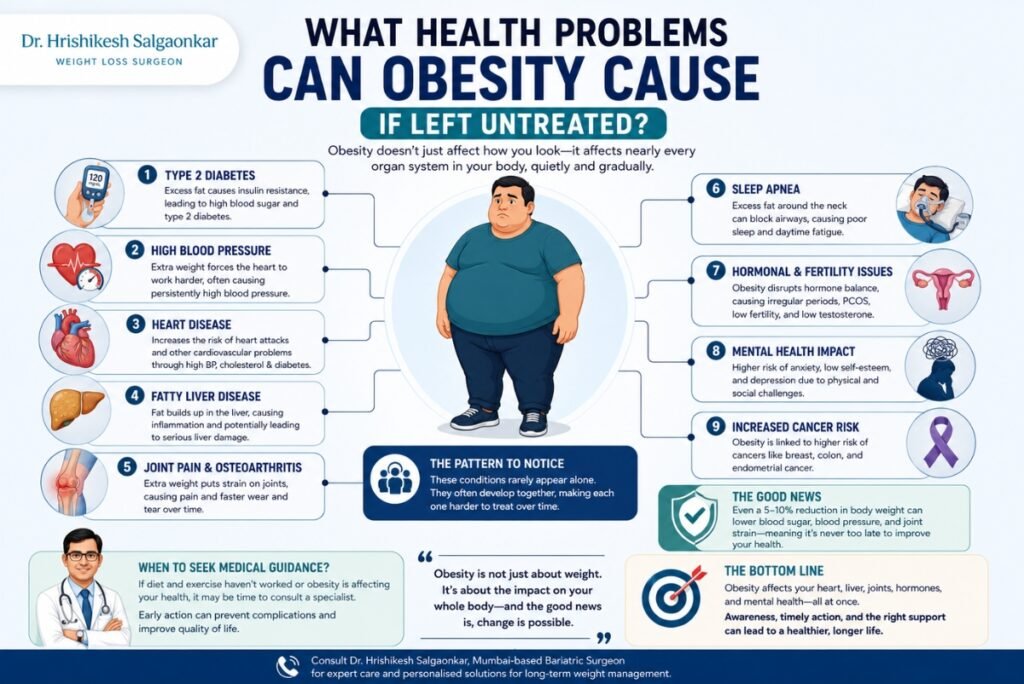
What Health Problems Can Obesity Cause If Left Untreated? Introduction Obesity often gets talked about in terms of how someone looks. But honestly, that’s the least important part of the conversation. What matters far more is what’s happening inside the body, quietly, gradually, and often without any obvious symptoms for years. The good news? Understanding these risks isn’t meant to scare you. It’s meant to help you catch things early, while there’s still plenty you can do about it. Why Obesity Doesn’t Stay “Just About Weight” Extra body fat isn’t just extra weight sitting around. It’s biologically active; it releases hormones and inflammatory substances that affect nearly every organ system over time. This is why obesity is rarely a standalone issue. It tends to open the door to several other health conditions, often connected. Health Problems Linked to Untreated Obesity Type 2 Diabetes: Excess fat, especially around the abdomen, makes it harder for the body to use insulin effectively. Over time, blood sugar levels rise, eventually leading to type 2 diabetes, one of the most common conditions linked to obesity. High Blood Pressure: Carrying extra weight means the heart has to work harder to pump blood throughout the body. Over the years, this added strain often leads to persistently high blood pressure. Heart Disease: High blood pressure, high cholesterol, and diabetes together significantly raise the risk of heart attacks and other cardiovascular problems, and obesity is often the common thread connecting all three. Fatty Liver Disease: Fat doesn’t just accumulate under the skin; it can build up in the liver too. Left untreated, this can progress to liver inflammation and, in some cases, more serious liver damage. Joint Pain and Osteoarthritis: Every extra kilogram adds real pressure on weight-bearing joints, especially the knees and lower back. Over time, this accelerates wear and tear, often leading to chronic joint pain much earlier than expected. Sleep Apnea: Excess weight around the neck and airway can interfere with breathing during sleep. This leads to poor sleep quality, daytime fatigue, and, over the long run, added strain on the heart. Hormonal and Fertility Issues: Obesity can disrupt hormone balance in both men and women, contributing to irregular periods, PCOS, reduced fertility, and lower testosterone levels in men. Mental Health Impact: This one doesn’t get discussed enough. Obesity is closely linked with higher rates of anxiety, low self-esteem, and depression, not because of vanity, but because of the daily physical and social toll it can take. Increased Cancer Risk: Research links obesity to a higher risk of certain cancers, including breast, colon, and endometrial cancer, largely due to chronic inflammation and hormonal changes. The Pattern Worth Noticing Look closely at this list, and you’ll notice something important: these conditions rarely show up alone. Diabetes, heart disease, and joint problems often develop together, feeding into each other and making each one harder to manage over time. This is why doctors often describe obesity as a “root cause” condition rather than a standalone one. The Part That Should Actually Give You Hope Here’s the encouraging part: most of these risks are not fixed outcomes. Their probabilities reduce significantly with weight management; even a 5–10% reduction in body weight can meaningfully lower blood sugar, blood pressure, and joint strain. This means it’s rarely “too late” to make a difference. It simply means the sooner you act, the easier the path tends to be. When Should You Seek Medical Guidance? If lifestyle changes like diet and exercise haven’t led to meaningful, lasting results, especially when obesity is already affecting blood sugar, joints, or fertility, it may be worth speaking to a specialist rather than continuing to manage it alone. According to Dr Hrishikesh Salgaonkar, a Mumbai-based Bariatric Surgeon and Weight Loss Surgeon, many patients wait far too long before seeking medical evaluation, often after complications like diabetes or joint damage have already set in. Options such as Sleeve Gastrectomy are typically considered once other approaches haven’t produced sustainable results, and are most effective as part of a broader, medically guided plan rather than a standalone fix. The Bottom Line Obesity, if left untreated, doesn’t just affect one part of the body; it quietly influences the heart, liver, joints, hormones, and mental health, often all at once. But this isn’t about fear. It’s about awareness, timing, and knowing that meaningful improvement is very much possible with the right support.

Obesity Surgery

How Obesity Increases the Risk of Hernia Problems

How Obesity Increases the Risk of Hernia Problems Introduction A lot of people believe that hernia problems are caused by lifting things or doing something that is too physical. That is not the only reason. Being overweight is also a reason why people get hernias and why they come back. When you are overweight, it puts pressure on the wall of your stomach all the time. This makes the wall weaker and weaker, so it is easier to get a hernia. In India, more and more people are getting obese because they do not move much and they eat unhealthy food. Doctors in India are seeing cases of hernias that are caused by being obese. It is very important to understand how being overweight can cause hernias. If you do not do something about being overweight, it can make your hernia symptoms worse. It can even affect what happens when you have surgery for a hernia. How Does Obesity Increase the Risk of Hernia Problems? 1. Increased Belly Pressure – One main reason obesity causes hernias is the increased pressure inside the belly. Extra fat around the stomach puts strain on the belly muscles, making them weak over time. This makes it easy for tissues to push through spots. 2. Weak Abdominal Wall – Obesity stretches the belly wall. Makes muscles weak. It also reduces tissue support. This makes the belly area weak and prone to hernias. 3. More Chances of Hernias Coming Back – People who are overweight or obese have a chance of getting hernias again even after surgery. Studies show that obesity is strongly linked to hernias coming back and problems after surgery. 4. Slow Recovery After Surgery – Obesity can make surgery more complicated and slow down recovery. Wound healing takes longer. There is also a risk of infection and strain on the fixed belly wall. Why Weight Management Matters in Hernia Patients Managing body weight is one of the most important steps in reducing hernia complications. Losing excess weight helps reduce pressure on the abdominal muscles and may improve surgical outcomes.In many cases, surgeons recommend weight reduction before hernia repair surgery, especially in patients with severe obesity. Research suggests that reducing weight before surgery may lower recurrence rates and improve recovery.This is why consultation with an experienced Obesity Surgeon becomes important for patients dealing with both obesity and hernia-related problems. Signs of Hernia You Shouldn’t Ignore Hernia symptoms may start mildly but can worsen over time, especially in obese individuals.Common warning signs include: ● A visible bulge in the abdomen or groin● Pain or discomfort while standing or lifting● Heaviness or pressure in the stomach area● Pain during coughing or sneezing● Digestive discomfort or bloatingIf left untreated, a hernia may become trapped or strangulated, which can become a medical emergency. Treatment Options for Hernia in Obese Patients The treatment will depend on the size of the hernia, the symptoms, and the general health condition of the patient. Lifestyle and Weight ManagementIn case of a mild hernia, doctors might advise:● Weight loss● Avoiding lifting weights● Controlling cough and constipations● Improving physical activity levels Surgical TreatmentWhen it comes to getting rid of hernias, surgery is often the way to go. These days, doctors use methods that aren’t as invasive, like laparoscopic and robotic hernia repair. This kind of surgery has a lot of benefits, such as:● Smaller cuts in the skin● Less pain after the operation● Getting back on your feet faster● Fewer chances of something going People looking for a Hernia Surgeon in Mumbai should consult an experienced specialist who understands how obesity can affect hernia treatment and recovery. Proper evaluation and personalized treatment planning are important, especially in overweight patients, as obesity can increase surgical complexity and the risk of recurrence. Why It Is Important to Choose a Specialist Certain complications arise during hernia surgery performed on obese patients. Some of the factors considered here include higher pressure inside the abdomen, weaker tissues, and increased chances of recurrence. A Right Step towards Good Health Obesity has a significant connection with hernias, and ignoring it can lead to poor results, recurrence of the condition, and a delayed healing process. Identifying this association right from the start can help individuals take necessary steps. When detected early and with effective weight loss measures and proper medical attention, hernias can be successfully managed. If you are suffering from hernia-related symptoms or are dealing with recurrent hernia concerns, consulting Dr. Hrishikesh Salgaonkar regarding hernia surgery in Mumbai can make all the difference.

Obesity Surgery

Why Is Obesity Increasing Among Young Adults? Key Reasons You Should Know

Why Is Obesity Increasing Among Young Adults? Key Reasons You Should Know Introduction In recent times, obesity cases among the younger generation have been on the rise. What used to be regarded as a disease prevalent only among the elderly population has now become a common phenomenon among individuals aged 20 and above, even down to late teenagers. This is more than just a superficial issue, but a serious medical condition associated with various risks.The factors behind the prevalence of obesity among younger individuals have been numerous, ranging from lifestyle changes to dietary practices. Knowledge of the root causes is necessary since obesity goes beyond being overweight,t but is a metabolic disorder. In cities like Mumbai, where fast-paced living is common, this trend is becoming even more noticeable. Consulting an experienced specialist such as Dr. Hrishikesh Salgaonkar, known as the Best Obesity Surgeon in Mumbai, can help in proper evaluation and treatment when needed. What Is Obesity in Young Adults? The term obesity in young adults is described as an excessive amount of body fat that could have adverse effects on an individual’s health. From a medical point of view, BMI is normally used to measure obesity, whereby a person is said to be obese when his/her BMI is greater than 30.While weight gain involves just weight increase, obesity involves more than just weight gain. It is associated with changes in hormone functioning. What Is Causing More Young Adults to Become Obese? Obesity in young adults results from several reasons and not just one factor. Some medical and lifestyle aspects are involved in leading someone to become obese over time. Medical Explanation (Basic Factor): At its core, obesity occurs when an individual’s body uses more calories than it burns off. This will lead to the accumulation of fats in the body. In addition, inactivity and slow metabolism exacerbate the problem. Major Medical & Lifestyle Factors: Perhaps the most notable cause is dietary habits. Consuming many fast foods, sugary beverages, and processed foods causes people to consume many calories. The other cause relates to a lack of activity because people spend much time sitting, watching screens, and avoiding physical exercise. Sleep Also Plays a Major Role: Poor sleep disrupts hormones such as ghrelin and leptin, leading to overeating. Stress and its impacts are key contributors as well. Emotional eating in stress and tension related to school or work leads to obesity. Sometimes genetic causes and hormonal issues could be responsible as well. Key Reasons Why Obesity Is Increasing Among Young Adults Unhealthy Eating Habits Frequent: intake of junk food, sugary beverages, and irregular meals leads to excess calorie consumption. Sedentary Lifestyle: Increased screen time, online work, and lack of exercise reduce daily physical activity. Stress & Mental Health Stress: often leads to emotional eating, increasing calorie intake without awareness. Lack of Sleep Poor: sleep disrupts hormone balance, increasing hunger and cravings. Hormonal & Genetic Factors: Conditions like thyroid disorders or family history can increase the risk of obesity. Why Obesity Is a Medical Concern (Not Just Weight Gain) Obesity is not just a physical change; it is a medical condition that can lead to serious health complications. It increases the risk of type 2 diabetes, high blood pressure, heart disease, and even joint problems at a young age. It can also affect mental health, leading to low self-confidence and reduced quality of life.Early identification and treatment are important to prevent long-term complications. Early Warning Signs of Obesity in Young Adults Unexplained or rapid weight gain Constant fatigue or low energy Shortness of breath during light activity Reduced stamina Difficulty in maintaining weight despite efforts When Should You Consult a Doctor in Mumbai? If weight gain continues despite diet and exercise, or if it starts affecting your daily life and health, it is important to consult a specialist. Hormonal symptoms, persistent fatigue, or difficulty losing weight are also warning signs that should not be ignored.In such cases, consultation with an experienced expert like Dr. Hrishikesh Salgaonkar, recognized as the Best Obesity Surgeon in Mumbai, can help in proper diagnosis and treatment planning based on individual health needs. Treatment Options for Obesity Obesity can be managed through lifestyle modifications such as maintaining healthy dietary habits, exercising, and making certain behavioral adjustments. There are also instances when medical assistance and participation in weight reduction programs are needed.In cases of severe obesity, when the above-mentioned methods are not sufficient, there is a need to consider more complex medical treatment options. These include various kinds of surgeries that aim to facilitate weight loss.

Obesity Surgery

Best Obesity Surgeon in Mumbai, India – Advanced and Structured Weight Management Care

Best Obesity Surgeon in Mumbai, India – Advanced and Structured Weight Management Care Introduction Obesity is a serious medical condition that affects overall health, mobility, and quality of life. Excess body weight is often linked to conditions such as type 2 diabetes, high blood pressure, heart disease, joint problems, and sleep disorders. When lifestyle changes such as diet and exercise do not provide sustainable results, surgical weight management becomes a medically recommended solution. Patients searching for the best obesity surgeon in Mumbai, India look for expert evaluation, modern surgical techniques, and long-term medical guidance. Dr. Hrishikesh Salgaonkar provides structured and patient-focused obesity treatment with an emphasis on safety, precision, and sustainable health improvement. Understanding Obesity Surgery Obesity surgery, also known as bariatric or metabolic surgery, helps individuals achieve significant and long-term weight reduction. These procedures work by modifying the digestive system to limit food intake or alter nutrient absorption. Before recommending surgery, a detailed medical assessment is conducted. This includes: • Body Mass Index (BMI) calculation• Evaluation of obesity-related health conditions• Medical history review• Diagnostic investigations• Lifestyle assessment This careful evaluation ensures that surgery is safe and suitable for the patient Types of Obesity Surgery Procedures Dr. Hrishikesh Salgaonkar offers modern surgical solutions based on individual health conditions and weight loss goals. Common procedures include: • Gastric Sleeve Surgery• Gastric Bypass Surgery• Mini Gastric Bypass• Metabolic Surgery Each procedure is recommended after thorough consultation and discussion. Treatment planning focuses on achieving gradual and sustainable weight reduction. Advanced Surgical Techniques and Safety Standards Modern obesity surgery is typically performed using minimally invasive laparoscopic techniques. These advanced methods involve smaller incisions and specialised instruments, which help improve recovery time and patient comfort. Key Surgical Advantages : • Smaller surgical incisions• Reduced post-operative pain• Faster recovery period• Shorter hospital stay• Lower risk of complications• Minimal visible scarring Strict hygiene protocols and medical monitoring are maintained throughout the surgical process to ensure patient safety Personalised Obesity Treatment Approach Every patient’s health condition is different. Dr. Hrishikesh Salgaonkar follows a personalised treatment model to ensure effective and safe outcomes. Personalized Care Includes : • Detailed pre-surgery counselling• Individualised procedure selection• Clear explanation of benefits and risks• Nutritional and lifestyle guidance• Structured post-operative follow-up This comprehensive approach supports long-term weight management and improved overall health. Benefits of Consulting an Experienced Obesity Surgeon Choosing an experienced surgeon offers several important advantages Key Benefits are : • Accurate diagnosis and suitability assessment• Safe and structured surgical care• Improvement in obesity-related conditions• Better mobility and energy levels• Long-term weight management support• Continuous medical supervision Professional care increases patient confidence and supports better health outcomes. Why Choose Dr. Hrishikesh Salgaonkar Patients looking for the best obesity surgeon in Mumbai, India prefer a specialist who combines experience, advanced techniques, and patient-focused care Reasons to choose : • Specialised expertise in obesity and metabolic surgery• Modern laparoscopic surgical techniques• Structured and ethical treatment planning• Emphasis on patient safety and hygiene• Transparent consultation process• Comprehensive follow-up care Dr. Hrishikesh Salgaonkar focuses on delivering safe, evidence-based surgical solutions that support long-term success. Long-Term Support and Follow-Up Weight loss surgery is only one step in the journey toward better health. Post-surgery support is essential for maintaining results and preventing complications. Follow up care includes: • Regular health monitoring• Nutritional counselling• Lifestyle modification guidance• Ongoing medical assessments• Progress trackingContinuous supervision ensures stable weight loss and improved quality of life. Conclusion Obesity management requires structured medical planning and professional guidance. Patients seeking the best obesity surgeon in Mumbai, India can benefit from advanced surgical techniques,personalised treatment strategies, and long-term support under the care of Dr. Hrishikesh Salgaonkar.With proper evaluation, modern laparoscopic procedures, and continuous follow-up care, obesity surgery can help individuals achieve sustainable weight loss, improved health conditions, and enhanced quality of life.

Scroll to Top