
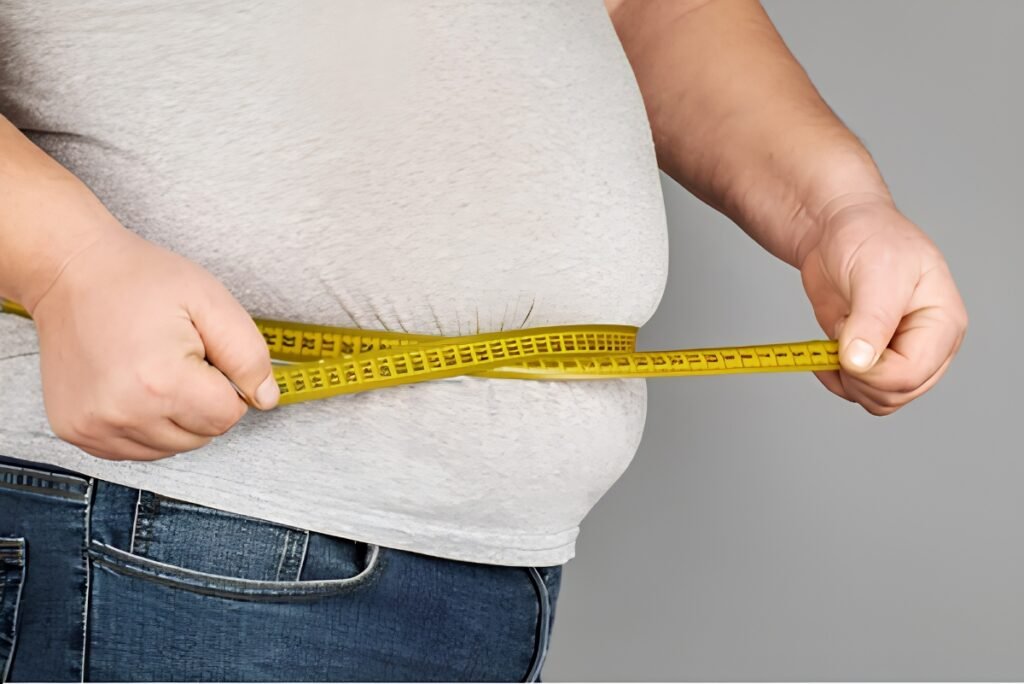
How Obesity Increases the Risk of Hernia Problems
Introduction
A lot of people believe that hernia problems are caused by lifting things or doing something that is too physical. That is not the only reason. Being overweight is also a reason why people get hernias and why they come back. When you are overweight, it puts pressure on the wall of your stomach all the time. This makes the wall weaker and weaker, so it is easier to get a hernia.
In India, more and more people are getting obese because they do not move much and they eat unhealthy food. Doctors in India are seeing cases of hernias that are caused by being obese. It is very important to understand how being overweight can cause hernias. If you do not do something about being overweight, it can make your hernia symptoms worse. It can even affect what happens when you have surgery for a hernia.
How Does Obesity Increase the Risk of Hernia Problems?
1. Increased Belly Pressure – One main reason obesity causes hernias is the increased pressure inside the belly. Extra fat around the stomach puts strain on the belly muscles, making them weak over time. This makes it easy for tissues to push through spots.
2. Weak Abdominal Wall – Obesity stretches the belly wall. Makes muscles weak. It also reduces tissue support. This makes the belly area weak and prone to hernias.
3. More Chances of Hernias Coming Back – People who are overweight or obese have a chance of getting hernias again even after surgery. Studies show that obesity is strongly linked to hernias coming back and problems after surgery.
4. Slow Recovery After Surgery – Obesity can make surgery more complicated and slow down recovery. Wound healing takes longer. There is also a risk of infection and strain on the fixed belly wall.
Why Weight Management Matters in Hernia Patients
Managing body weight is one of the most important steps in reducing hernia complications. Losing excess weight helps reduce pressure on the abdominal muscles and may improve surgical outcomes.
In many cases, surgeons recommend weight reduction before hernia repair surgery, especially in patients with severe obesity. Research suggests that reducing weight before surgery may lower recurrence rates and improve recovery.
This is why consultation with an experienced Obesity Surgeon becomes important for patients dealing with both obesity and hernia-related problems.
Signs of Hernia You Shouldn’t Ignore
Hernia symptoms may start mildly but can worsen over time, especially in obese individuals.
Common warning signs include:
● A visible bulge in the abdomen or groin
● Pain or discomfort while standing or lifting
● Heaviness or pressure in the stomach area
● Pain during coughing or sneezing
● Digestive discomfort or bloating
If left untreated, a hernia may become trapped or strangulated, which can become a medical emergency.
Treatment Options for Hernia in Obese Patients
The treatment will depend on the size of the hernia, the symptoms, and the general health condition of the patient.
Lifestyle and Weight Management
In case of a mild hernia, doctors might advise:
● Weight loss
● Avoiding lifting weights
● Controlling cough and constipations
● Improving physical activity levels
Surgical Treatment
When it comes to getting rid of hernias, surgery is often the way to go. These days, doctors use methods that aren’t as invasive, like laparoscopic and robotic hernia repair. This kind of surgery has a lot of benefits, such as:
● Smaller cuts in the skin
● Less pain after the operation
● Getting back on your feet faster
● Fewer chances of something going
People looking for a Hernia Surgeon in Mumbai should consult an experienced specialist who understands how obesity can affect hernia treatment and recovery. Proper evaluation and personalized treatment planning are important, especially in overweight patients, as obesity can increase surgical complexity and the risk of recurrence.
Why It Is Important to Choose a Specialist
Certain complications arise during hernia surgery performed on obese patients. Some of the factors considered here include higher pressure inside the abdomen, weaker tissues, and increased chances of recurrence.
A Right Step towards Good Health
Obesity has a significant connection with hernias, and ignoring it can lead to poor results, recurrence of the condition, and a delayed healing process. Identifying this association right from the start can help individuals take necessary steps. When detected early and with effective weight loss measures and proper medical attention, hernias can be successfully managed. If you are suffering from hernia-related symptoms or are dealing with recurrent hernia concerns, consulting Dr. Hrishikesh Salgaonkar regarding hernia surgery in Mumbai can make all the difference.