
Can a Hernia Come Back After Surgery? Everything You Need to Know
Introduction
One of the most common concerns patients have before undergoing hernia surgery is, “Can my hernia come back again?” It’s a valid question. After all, surgery is meant to fix the problem, and nobody wants to experience the same discomfort twice.
The good news is that modern hernia repair techniques are highly effective. However, like many medical conditions, there is still a possibility of recurrence in some cases. Understanding why a hernia may return and what steps can help reduce that risk can make a significant difference in your long-term recovery.
If you’re considering treatment from the Leading Robotic Hernia Specialist, knowing the facts about hernia recurrence can help you make informed decisions about your health.
What Exactly Is a Recurrent Hernia?
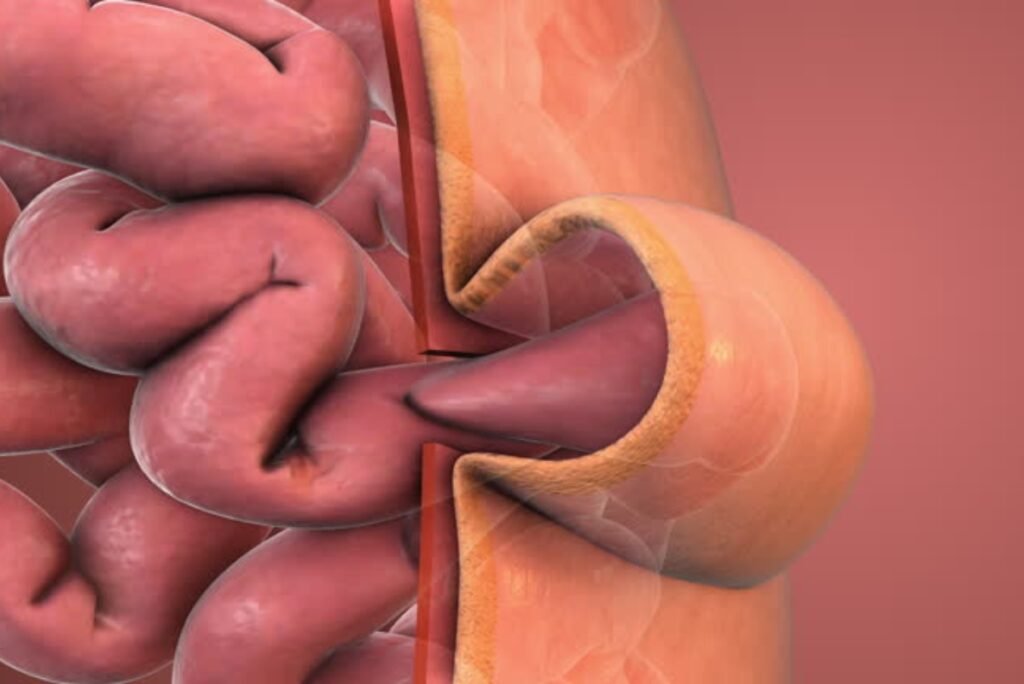
A recurrent hernia happens when a hernia develops again at the same site where it was previously repaired. This can occur weeks, months, or even years after the original surgery. It is not a sign that the surgery completely failed — but it does mean the repaired area has weakened again and needs attention.
Recurrence rates vary depending on the type of hernia, the technique used for repair, and, importantly, the experience of the surgeon performing the procedure.
Can a Hernia Really Return After Surgery?
Yes, a hernia can return after surgery, but the risk varies from patient to patient. Advances in surgical techniques, especially mesh repair and minimally invasive procedures, have significantly reduced recurrence rates.
Most patients enjoy long-term relief after surgery. However, maintaining the repaired area requires proper healing and lifestyle adjustments. The body’s tissues continue to face daily stress from activities, weight fluctuations, and aging, which can sometimes contribute to recurrence.
Why Do Some Hernias Come Back?
Several factors can increase the chances of a hernia returning after surgery.
- Excess Weight
Carrying excess body weight places additional pressure on the abdominal wall. Over time, this pressure can weaken the repaired area and increase the risk of recurrence. - Heavy Lifting Too Soon
Returning to strenuous activities before complete healing can place stress on the surgical repair and affect recovery. - Chronic Cough or Constipation
Conditions that repeatedly increase abdominal pressure, such as persistent coughing or straining during bowel movements, can contribute to hernia recurrence. - Smoking
Smoking can affect blood circulation and delay wound healing, which may impact the strength of tissue repair. - Poor Tissue Strength
Some individuals naturally have weaker connective tissues, making them more prone to developing hernias and experiencing recurrence.
How Do You Know If Your Hernia Has Come Back?
The signs of a recurrent hernia are often similar to those of the original one. Watch out for:
- A noticeable bulge or lump at or near the previous surgical site
- A dull ache or sharp pain that worsens with coughing, bending, or lifting
- A feeling of heaviness or dragging in the abdomen or groin
- Nausea or discomfort after eating in some cases
How to Reduce the Risk of Hernia Recurrence
While not every recurrence can be prevented, there are several steps patients can take to lower their risk.
- Follow Post-Surgery Instructions Carefully
Your surgeon’s recovery guidelines are designed to protect the repaired area while it heals. - Maintain a Healthy Weight
Managing body weight helps reduce unnecessary strain on the abdominal muscles. - Avoid Heavy Lifting During Recovery
Giving your body adequate time to heal is one of the most important parts of successful recovery. - Stay Physically Active
Once cleared by your doctor, regular exercise can help strengthen core muscles and support overall health. - Manage Chronic Health Conditions
Treating chronic cough, constipation, and other conditions that increase abdominal pressure can help protect the repair.
Why Choosing the Right Surgeon Matters
Successful hernia treatment starts with proper diagnosis, surgical expertise, and personalized post-operative care. An experienced surgeon understands how to minimize recurrence risks and guide patients through recovery effectively.
Consulting a specialist like Dr. Hrishikesh Salgaonkar can provide patients with comprehensive treatment plans tailored to their specific condition. As the Best Hernia Surgeon in Mumbai, he focuses on advanced surgical techniques and patient-centered care to achieve long-term results and reduce the chances of recurrence.
Important Things to Remember
Although a hernia can return after surgery, recurrence is not inevitable. Modern surgical techniques, proper recovery, and healthy lifestyle habits significantly improve long-term outcomes.
The key is to stay proactive about your recovery, follow medical advice, and seek timely evaluation if symptoms return. If you have concerns about a previous hernia repair or are considering surgery, consulting Dr. Hrishikesh Salgaonkar for expert hernia treatment can help you understand your options and take the right steps toward lasting relief.