
How to Prepare for Hernia Surgery – What to Do Before, During & After
Introduction
So your doctor has recommended hernia surgery. You may be feeling a mix of relief — finally, a solution — and nervousness about what comes next. That is completely normal. The good news is that hernia surgery today, especially when performed laparoscopically, is a well-established, safe procedure with a high success rate and quick recovery time.
But how well you prepare before, during, and after plays a huge role in how smoothly everything goes. Here is your complete, easy-to-follow guide.
Why Proper Preparation Matters Before Hernia Surgery
Preparing for surgery is not just about showing up on the scheduled day. Good preparation can help:
- Reduce surgical risks
- Support faster recovery
- Minimize complications
- Improve overall treatment outcomes
Following your surgeon’s instructions carefully is one of the most important steps toward a successful post-operative recovery.
Before Surgery: How to Prepare Yourself
- Attend Your Medical Evaluation
Before surgery, your doctor may recommend blood tests, imaging scans, or other evaluations to understand your overall health. This helps determine the safest treatment approach.
- Discuss Medications with Your Doctor
Certain medications, including blood thinners and some supplements, may need to be adjusted before surgery. Always inform your surgeon about any medicines you are currently taking.
- Follow Diet Instructions
You may be advised to avoid eating or drinking for several hours before the procedure. Following these instructions carefully is essential for a safe surgery.
- Avoid Smoking and Alcohol
Smoking can slow wound healing and increase the risk of complications. Reducing or stopping smoking before surgery can positively impact recovery.
- Plan for Recovery at Home
Arrange transportation, stock up on essential supplies, and ensure you have support available during the first few days after surgery.
During Surgery: What to Expect on the Day
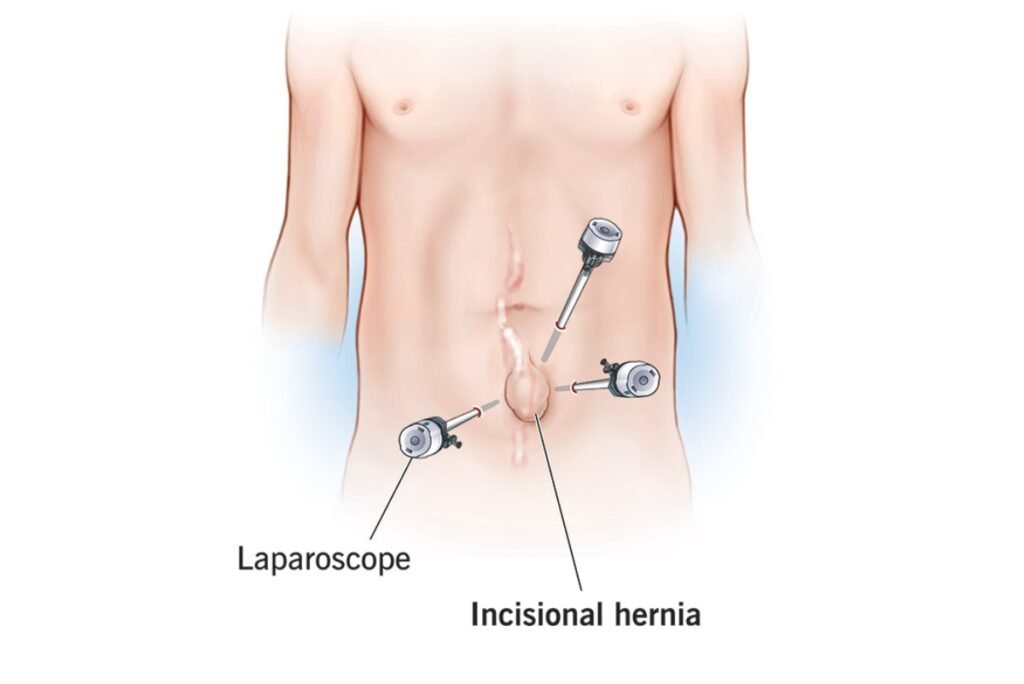
It is done using advanced surgical procedures in most cases, which leads to faster recovery and less post-surgical pain for the patient. The following steps summarize the process of a bariatric procedure:
General Anesthesia Administration : During bariatric surgery, the patient is given general anesthesia. It means you’ll be asleep while your doctor performs the operation and feel no pain.
Small Cuts Are Made
In contrast to one big cut, the surgeon makes several small ones on your abdomen, leading to quicker recovery.
The Stomach’s Volume Reduction
As part of the procedure, your surgeon adjusts the stomach volume or shape to reduce food intake and calorie assimilation. This step is vital to achieving long-lasting results.
Surgery Length
Generally, such a procedure lasts from one to three hours, depending on its complexity and nature.
Post-operative Care
After completing the surgery, patients stay under supervision in the hospital. Doctors monitor them, treat pain, and provide guidelines on how to lead a lifestyle after the treatment.
After Surgery: Recovery Tips for a Smooth Healing
The post-surgery phase is where most of the healing happens — and where patients can make the biggest difference in their own recovery.
The First Week
- Rest as much as possible for the first 24 to 48 hours — your body needs it
- Take all prescribed medications, including pain relief and antibiotics, as directed
- Keep the incision site clean and dry — follow your surgeon’s wound care instructions
- Begin short, gentle walks from Day 2 onwards to prevent blood clots and aid digestion
- Avoid straining, lifting, or any sudden physical effort completely
Weeks Two to Four
- Gradually increase walking distance and light activity as you feel comfortable
- Eat a fibre-rich diet and stay hydrated to avoid constipation — straining is one of the main causes of recurrence
- Avoid driving until your surgeon gives you the green light
- Most patients can return to desk jobs within one to two weeks
- Heavy lifting and strenuous exercise should be avoided for at least four to six weeks
Before Surgery | During Surgery | After Surgery |
Fast for 8–10 hours before surgery | You will be under anaesthesia — stay calm | Rest completely for the first 24–48 hours |
Stop blood thinners as advised by the doctor | Wear comfortable, loose clothing to the hospital | Avoid lifting anything heavier than 5 kg |
Complete all pre-op blood tests & scans | Remove jewellery, nail polish, and contact lenses | Take all prescribed medicines on time |
Arrange a responsible adult to take you home | Inform the team of any last-minute symptoms | Attend all follow-up appointments |
Quit smoking at least 2 weeks prior | Trust your surgical team completely | Eat light, fibre-rich meals to avoid constipation |
Prepare a recovery area at home in advance | Stay hydrated the night before, as advised | Walk short distances daily from Day 2 onwards |
Why Choosing an Experienced Hernia Surgeon Matters
Surgery for a hernia not only requires surgical expertise but also proper diagnosis and aftercare.
It is always better to consult a surgeon like Dr. Hrishikesh Salgaonkar, who will provide you with a personalized solution as per your requirements. He is known for Hernia Specialist in Mumbai and emphasizes the use of advanced surgical methods and personalized solutions for his patients.
Important Things to Remember
Preparing for hernia surgery is an important part of achieving the best possible outcome. Understanding what to do before, during, and after the procedure can help reduce anxiety and support a faster recovery.
If you are planning hernia treatment or elsewhere in India, consulting an experienced specialist and following recovery guidelines carefully can make a significant difference. With expert guidance from Dr. Hrishikesh Salgaonkar, patients can approach surgery with greater confidence and focus on returning to a healthier, more active life.
Life After Bariatric Surgery
Bariatric surgery is just the beginning long-term success depends on lifestyle changes. After surgery, patients need to:
- Follow a healthy, portion-controlled diet
- Stay physically active
- Take prescribed supplements
- Attend regular follow-ups
Most patients experience not just weight loss, but a complete improvement in their health and confidence.
Why the Choice of Surgeon Is Important
The choice of a good surgeon is one of the critical points of the whole process of weight reduction. This involves not only the surgery but also all the guarantees, the safety of the operation, and appropriate recommendations during each phase of the process. Having an experienced specialist who would guarantee the accuracy of the diagnosis, appropriate surgical intervention, and total support during all phases of the procedure is essential.
Conclusion
Making such a huge decision like opting for bariatric surgery may seem difficult at first, but in many cases, it becomes a very life-altering one.
At the hands of the best bariatric surgeon in Mumbai, Dr. Hrishikesh Salgaonkar, you can be assured that you are in good hands. With the right help and a positive attitude from your end, you will be able to change your life for the better!