
World Health Day 2026: Understanding Robotic Surgery Step-by-Step for Better Health in India
Introduction
World Health Day 2026 focuses on improving access to advanced healthcare and promoting better treatment outcomes through innovation. One of the most significant advancements in modern medicine is robotic-assisted surgery. This cutting-edge technology allows surgeons to perform complex procedures with enhanced precision, smaller incisions, and faster recovery. As awareness grows, many patients are actively searching for the Best Robotic Surgeon in Mumbai to benefit from safer and more effective surgical care.
Robotic surgery has transformed the way procedures are performed across multiple specialties. Unlike traditional open surgery, robotic-assisted techniques use small incisions and high-definition visualization to improve surgical accuracy. This results in less pain, minimal scarring, reduced complications, and quicker return to daily life. With these benefits, robotic surgery is becoming an important part of India’s evolving healthcare system.
What is Robotic Surgery?
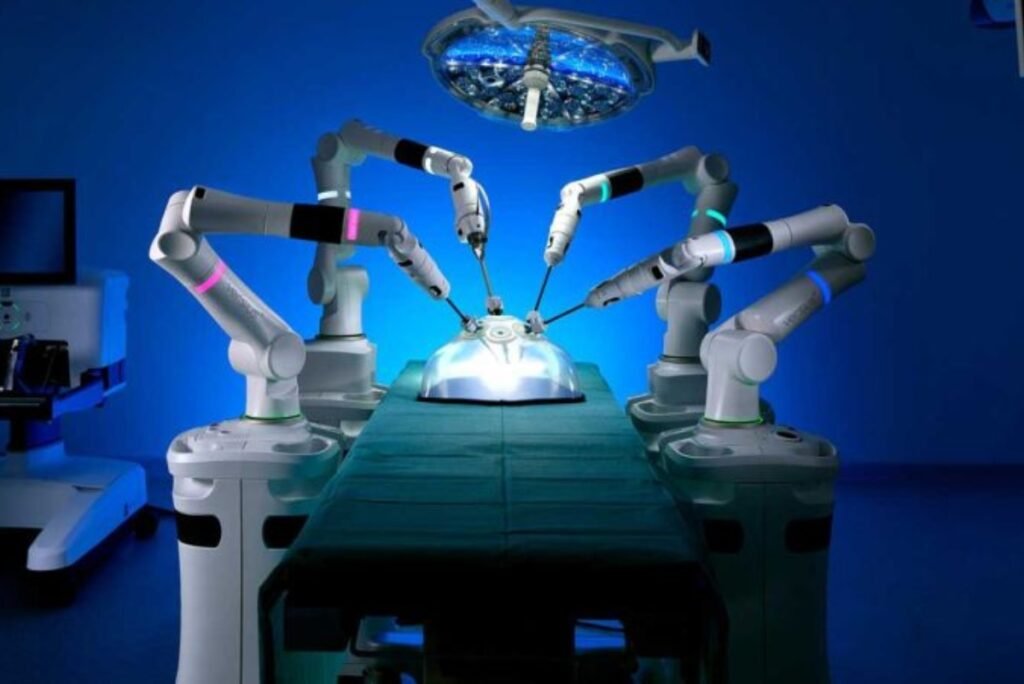
Robotic surgery is a minimally invasive procedure where the surgeon uses a robotic system to operate with improved control and precision. The robot does not operate on its own; instead, it translates the surgeon’s hand movements into highly precise movements of miniaturized instruments.
Key features of robotic surgery include:
- High-definition 3D magnified vision
- Enhanced precision and flexibility
- Smaller surgical incisions
- Better control during complex procedures
- Reduced blood loss
- Faster recovery
Because of these advantages, patients increasingly look for the Best Robotic Surgeon in India when considering advanced surgical treatment.
Step-by-Step: How Robotic Surgery Works
Understanding the robotic surgery process step-by-step helps patients feel more confident before undergoing the procedure
Step 1: Pre-Surgical Consultation
The process begins with a detailed consultation. The surgeon evaluates the patient’s medical history, performs a physical examination, and recommends imaging tests if required. Based on the diagnosis, robotic surgery may be suggested as the most effective treatment option.
Step 2: Surgical Planning
Before the procedure, the surgical team carefully plans the operation. This includes reviewing imaging reports, identifying the surgical approach, and preparing robotic instruments. This planning improves accuracy and safety.
Step 3: Anesthesia and Small Incisions
On the day of surgery, anesthesia is administered for patient comfort. The surgeon makes a few small incisions instead of one large cut. These small openings allow robotic instruments and a camera to enter the surgical area.
Step 4: Robotic System Control
The surgeon sits at a console and controls robotic arms. A high-definition 3D camera provides a magnified view of the surgical area. The robotic arms move with precision based on the surgeon’s hand movements.
Step 5: Performing the Surgery
Using robotic instruments, the surgeon performs the procedure with enhanced accuracy. The robotic system allows delicate tissue handling, reducing trauma to surrounding structures.
Step 6: Completion and Recovery
After completing the surgery, the instruments are removed, and the incisions are closed. Patients are then shifted to recovery for monitoring. Most patients experience quicker recovery compared to traditional surgery.
This step-by-step approach ensures better surgical outcomes and is one reason why patients prefer consulting the Best Robotic Surgeon in Mumbai.
Benefits of Robotic Surgery
Robotic surgery offers several benefits compared to traditional open surgery. These advantages improve both surgical outcomes and patient comfort.
- Smaller incisions and minimal scarring
- Reduced blood loss during surgery
- Lower risk of infection
- Less post-operative pain
- Faster recovery time
- Shorter hospital stay
- Early return to normal activities
- Improved surgical precision
These benefits make robotic-assisted procedures increasingly popular across India.
Who is an Ideal Candidate for Robotic Surgery?
Robotic surgery is suitable for many patients depending on their condition and overall health. It is typically recommended for:
- Patients requiring minimally invasive surgery
- Individuals with complex surgical conditions
- Patients seeking a faster recovery
- Patients with obesity or high surgical risk
- Individuals wanting minimal scarring
- Patients requiring precision-based surgery
A detailed consultation helps determine whether robotic surgery is the best treatment option.
Why Robotic Surgery is the Future of Healthcare in India
India’s healthcare system is rapidly adopting advanced technologies to improve treatment outcomes. Robotic surgery plays a key role in this transformation by providing safer and more accurate surgical options. It also reduces hospital stays, which helps improve overall healthcare efficiency.
Robotic-assisted procedures allow surgeons to perform delicate operations with enhanced control. This reduces complications and improves patient satisfaction. As awareness increases, more hospitals are investing in robotic surgical platforms.
Expertise Matters in Robotic Surgery
The success of robotic surgery depends heavily on the surgeon’s experience and expertise. Proper planning, accurate execution, and post-operative care all contribute to better outcomes. Dr. Hrishikesh Salgaonkar is known for performing advanced robotic-assisted procedures with a focus on patient safety and precision.
With a patient-centric approach, he emphasizes detailed evaluation, transparent consultation, and personalized treatment planning. This ensures patients receive advanced care tailored to their condition.
Why Patients Prefer Robotic Surgery
Patients today prefer robotic surgery due to its minimally invasive nature and quicker recovery. The procedure causes less trauma to the body, resulting in reduced pain and improved healing. Additionally, smaller incisions lead to better cosmetic results.
Robotic systems also provide improved dexterity, allowing surgeons to perform complex procedures more effectively. This improves surgical accuracy and reduces complications.
Conclusion
World Health Day 2026 highlights the importance of modern technology in improving healthcare outcomes. Robotic surgery represents a major step toward safer and more efficient treatment. By combining surgical expertise with advanced robotic systems, patients can experience improved results and faster recovery.
As awareness grows, more patients are choosing robotic-assisted procedures for better health outcomes. Consulting the Best Robotic Surgeon in Mumbai, like Dr. Hrishikesh Salgaonkar, ensures access to advanced technology, precise surgical care, and personalized treatment. With continuous innovation and expert guidance, robotic surgery is shaping the future of healthcare and supporting better health across India.