
Ventral Hernia Repair Surgery in Mumbai

What Is a Ventral Hernia?
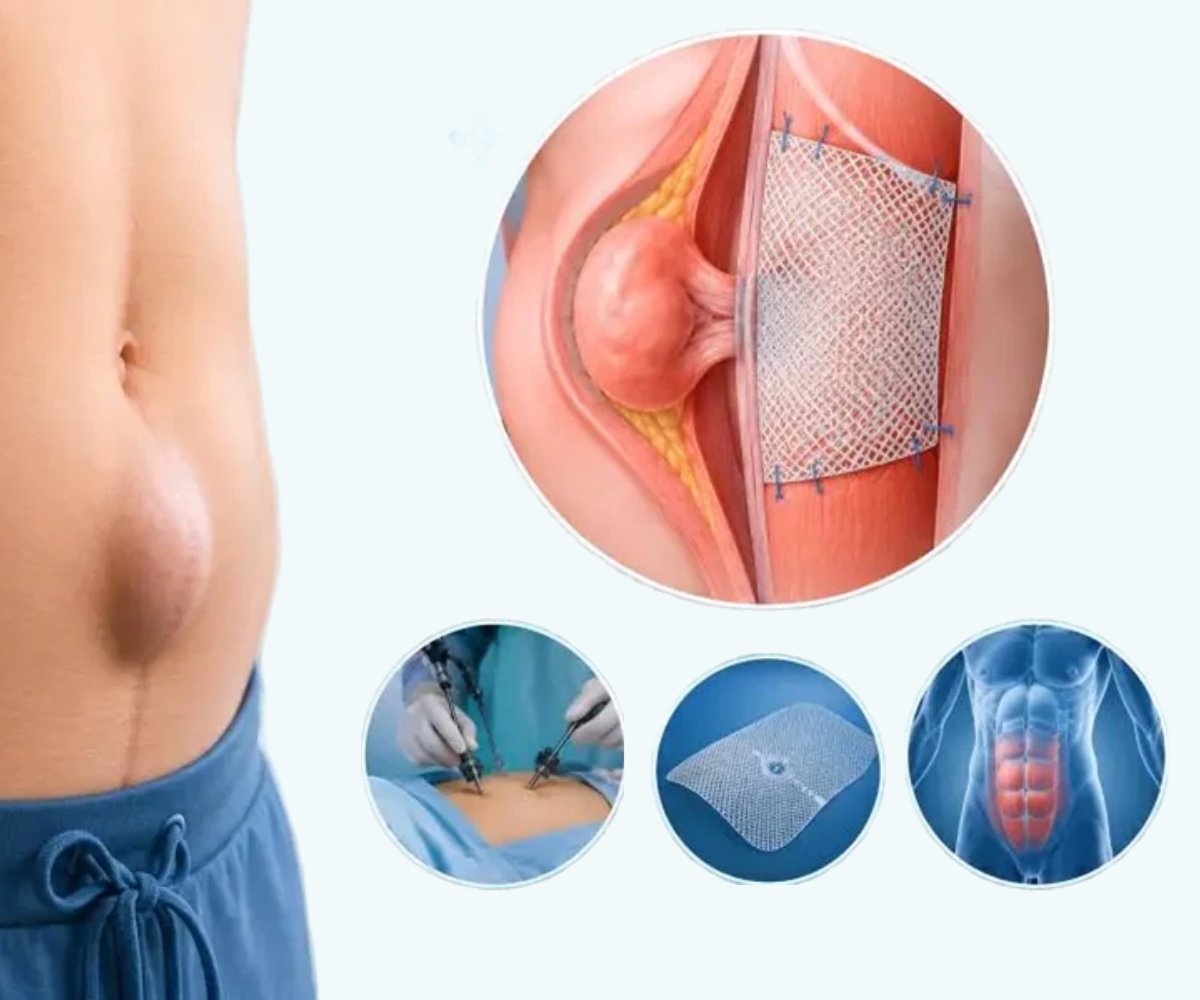
A ventral hernia is a type of abdominal wall hernia that develops when tissue pushes through a weakened area of the abdominal muscles. It can occur in different parts of the front abdominal wall.
Ventral hernias include:
- Incisional Hernia: Develops through or near a scar from previous abdominal surgery.
- Epigastric Hernia: Occurs in the upper middle part of the abdomen, between the breastbone and navel.
- Umbilical Hernia: Develops at or around the belly button.
What Are the Common Symptoms of a Ventral Hernia?
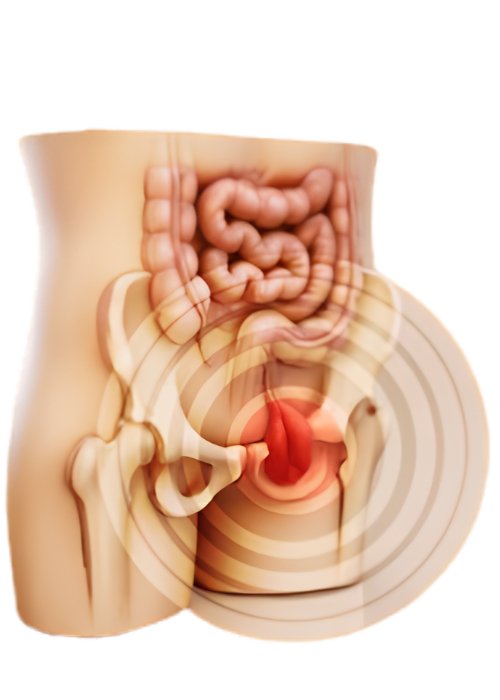
Symptoms can vary depending on the size and location of the hernia. Common signs include:
What Causes a Ventral Hernia?
A ventral hernia can develop due to weakness in the abdominal muscles. Common contributing factors include:
- Previous abdominal surgery and poor healing of the surgical wound
- Obesity or excess abdominal pressure
- Repeated heavy lifting or straining
- Persistent coughing or chronic constipation
- Age-related weakening of the abdominal wall
- Pregnancy and other conditions that increase abdominal pressure
How Is a Ventral Hernia Diagnosed?
Diagnosis usually begins with a physical examination. The surgeon checks the location, size, and reducibility of the swelling.
Physical Examination
The surgeon examines the abdomen while the patient is standing or lying down and may ask them to cough or strain to assess the hernia.
Ultrasound
An ultrasound may help identify the hernia and assess the abdominal wall defect.
CT Scan
A CT scan provides detailed information about the hernia’s size, location, contents, and surrounding abdominal structures. It can be particularly useful for large, recurrent, or complex hernias.
What Are the Treatment Options for Ventral Hernia?
Treatment depends on the hernia’s size, symptoms, location, and risk of complications.
Observation and Monitoring
Some small, reducible hernias without significant symptoms may be monitored after medical assessment. Regular follow-up helps identify changes that may require treatment.
Open Ventral Hernia Repair
The surgeon makes an incision near the hernia, returns the protruding tissue to its normal position, and repairs the weakened abdominal wall. Mesh may be used to strengthen the repair.
Laparoscopic Ventral Hernia Repair
This minimally invasive approach uses small incisions, a camera, and surgical instruments to repair the hernia. Mesh is often used to reinforce the abdominal wall.
Robotic Ventral Hernia Repair
In selected cases, robotic-assisted techniques may be used to perform the repair through small incisions. Suitability depends on the hernia and the patient's condition.
When Is Ventral Hernia Surgery Needed?
Surgery may be recommended when:
- The hernia causes persistent pain or discomfort.
- The abdominal bulge is increasing in size.
- The hernia interferes with daily activities.
- The hernia becomes difficult to push back into the abdomen.
- There is a risk of bowel obstruction or strangulation.
A sudden painful, irreducible hernia, particularly with vomiting or abdominal swelling, may indicate an emergency and requires immediate medical attention.

Why Choose Dr. Hrishikesh Salgaonkar For Ventral Hernia Repair Surgery?
Dr. Hrishikesh Salgaonkar is a Consultant Surgeon in Mumbai with training in general surgery, minimal access surgery, and advanced gastrointestinal procedures. His qualifications include DNB in General Surgery, Fellowship of the National Board in Minimal Access Surgery, and MRCS England, along with advanced surgical fellowship training in Singapore and the United Kingdom.
He evaluates patients with abdominal wall hernias and discusses suitable treatment options based on their symptoms, medical history, and investigation findings. The choice between open, laparoscopic, or robotic-assisted repair depends on the individual hernia and clinical assessment.
Frequently Asked Questions About Achalasia Cardia Ventral Hernia Repair Surgery
Can a ventral hernia be treated without surgery?
Some small, reducible hernias with minimal symptoms may be monitored under medical supervision. However, medicines and abdominal belts cannot close the muscle defect. Surgery is the treatment that repairs the hernia.
Is mesh always required for ventral hernia repair?
No. Mesh is commonly used to strengthen the abdominal wall, particularly for larger and incisional hernias. Some small primary hernias may be repaired with sutures alone, depending on the clinical assessment.
Can a ventral hernia come back after surgery?
Yes. Hernia recurrence is possible even after repair. Factors such as hernia size, obesity, wound complications, and the condition of the abdominal wall can influence recurrence risk.
Can I walk after ventral hernia surgery?
Most patients are encouraged to start walking soon after surgery, as advised by their surgical team. Walking helps with early mobility, but heavy lifting and strenuous exercise should be avoided during recovery.
How long does ventral hernia surgery take?
The duration varies depending on the size and complexity of the hernia and the surgical technique used. Large or recurrent hernias may require more time than smaller repairs.
How long does it take to recover from ventral hernia surgery?
Recovery varies with the type of operation and individual healing. Patients undergoing minimally invasive repair may resume routine activities sooner, while complex open repairs can require a longer recovery period.
Can I climb stairs after ventral hernia repair?
Many patients can climb stairs carefully after surgery, depending on their recovery and the surgeon’s instructions. Start gradually and avoid activities that cause significant pain or strain.
Is laparoscopic ventral hernia repair suitable for large hernias?
Not every large hernia is suitable for laparoscopic repair. The surgeon considers the defect size, location, previous operations, and abdominal wall condition before selecting the approach.