
Revisional Surgery for Reflux in Mumbai

What Is Revisional Surgery for Reflux?
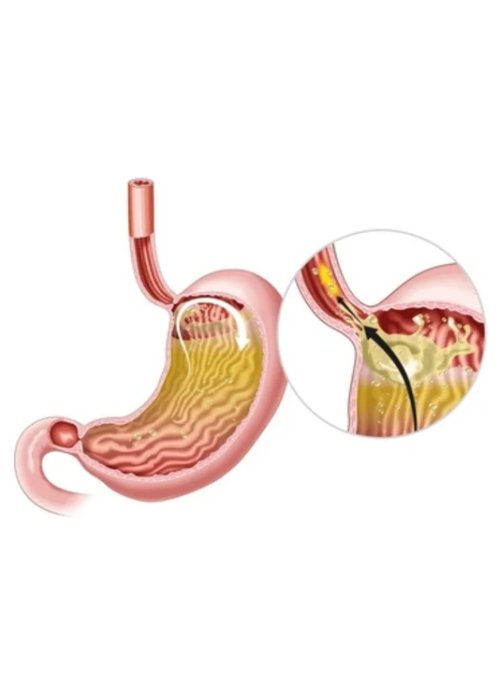
Revisional surgery for reflux is a corrective procedure performed after an earlier operation to treat gastroesophageal reflux disease (GERD). It may be required when the previous repair has loosened, shifted, or developed another problem.
The procedure aims to correct the underlying issue and improve reflux control. Depending on the patient’s condition, the surgeon may revise the previous fundoplication, repair an associated hiatal hernia, or consider another suitable surgical approach.
What Are the Common Symptoms After Anti-Reflux Surgery?
Some patients may experience symptoms again after their initial reflux operation. These can include:
How Is the Need for Revisional Surgery Diagnosed?
The surgeon reviews the patient’s symptoms, previous operation details, and investigation reports before recommending further treatment. Tests may include:
Upper GI Endoscopy
An endoscopy helps examine the oesophagus, stomach, and previous surgical repair for inflammation or structural changes.
Barium Swallow Test
This imaging test shows how food and liquid pass through the oesophagus and can help identify changes in the stomach wrap or a recurrent hiatal hernia.
Oesophageal Manometry
This test measures the pressure and movement of the oesophageal muscles to assess swallowing function.
24-Hour pH Monitoring
This test measures acid exposure in the oesophagus and helps determine whether ongoing symptoms are related to reflux.
What Are the Treatment Options for Failed Anti-Reflux Surgery?
Treatment depends on the cause of symptoms and the findings from diagnostic tests. Not every patient requires another operation.
Medical Management
Medicines and lifestyle changes may help manage recurrent reflux symptoms, particularly when investigations do not show a structural problem requiring surgery.
Revisional Fundoplication
The surgeon may correct or reconstruct the previous stomach wrap to improve the barrier against acid reflux.
Hiatal Hernia Repair
If a recurrent hiatal hernia is contributing to reflux, the surgeon may repair the opening in the diaphragm as part of the procedure.
Alternative Surgical Approach
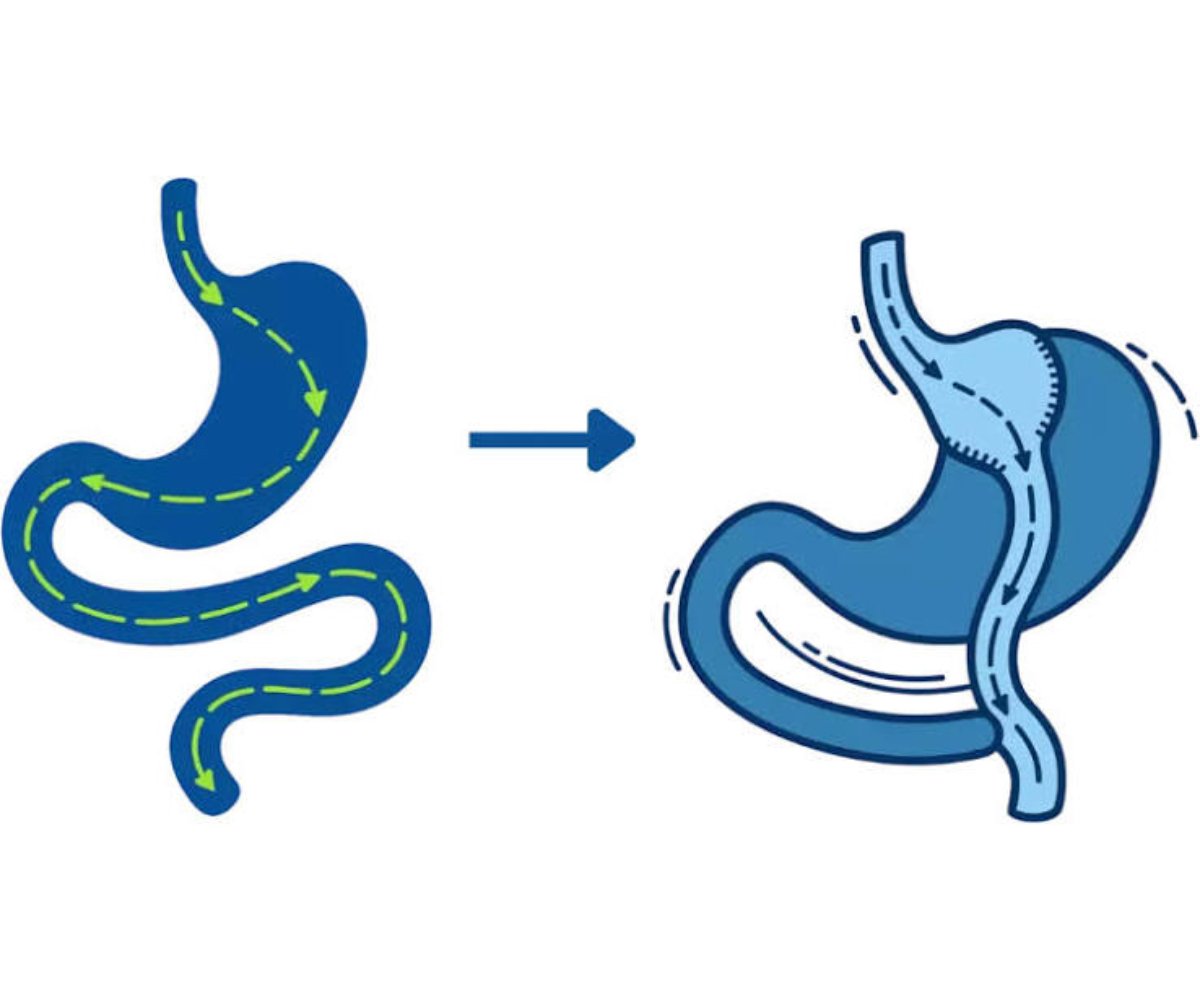
In selected patients, particularly those with obesity and persistent reflux after fundoplication, another procedure such as Roux-en-Y gastric bypass may be considered after careful assessment.
When Is Revisional Surgery for Reflux Needed?
Revisional surgery may be considered when:
- Reflux symptoms continue despite appropriate medical treatment.
- Investigations identify a slipped, disrupted, or poorly functioning fundoplication.
- A recurrent hiatal hernia is causing significant symptoms.
- Swallowing difficulties are linked to a structural problem with the previous repair.
- The patient’s symptoms and test results indicate that further surgery may provide benefit.
The decision is made after reviewing the potential benefits, risks, and alternatives.

Why Choose Dr. Hrishikesh Salgaonkar for Revisional Surgery for Reflux?
Dr. Hrishikesh Salgaonkar is a Consultant Surgeon in Mumbai with training in general surgery, minimal access surgery, and advanced gastrointestinal procedures. His qualifications include DNB in General Surgery, Fellowship of the National Board in Minimal Access Surgery, and MRCS England, along with advanced surgical fellowship training in Singapore and the United Kingdom.
He evaluates patients with persistent or recurring reflux symptoms after previous surgery. Treatment recommendations are based on the patient’s symptoms, previous operative details, investigation findings, and overall health. Where revision is appropriate, the surgical approach is planned according to the underlying problem.
Frequently Asked Questions About Revisional Surgery for Reflux
Can acid reflux return years after surgery?
Yes. Reflux symptoms can return months or years after anti-reflux surgery. This may happen due to changes in the surgical repair, a recurrent hiatal hernia, or other digestive conditions. An evaluation can help identify the cause.
Will I need to take acid reflux medicines after revisional surgery?
Some patients may need reflux medication after surgery, while others may not. The need depends on symptom control, test findings, and the type of procedure performed.
Does a failed fundoplication always require another surgery?
No. Some patients can manage recurring symptoms with medicines and lifestyle changes. Another operation is considered when investigations identify a correctable problem and surgery is likely to help.
Is revisional reflux surgery more complicated than the first surgery?
Revisional surgery can be more complex because of scar tissue and changes in the anatomy from the earlier operation. The complexity depends on the previous procedure and the problem being corrected.
How many times can anti-reflux surgery be repeated?
There is no fixed number that applies to every patient. Each additional operation requires careful assessment because surgical complexity and potential risks may increase with repeated procedures.
Can a hiatal hernia come back after reflux surgery?
Yes. A hiatal hernia can recur after repair in some patients. Its size, symptoms, and effect on the previous anti-reflux procedure help determine whether further treatment is needed.