
Expert Care for Complex Reflux Cases

Revisional Surgery For Reflux

Understanding Revisional Surgery For Reflux

Revisional surgery for reflux is a procedure performed to correct or improve the results of a previous anti-reflux surgery. Sometimes, patients experience persistent symptoms, complications, or recurrence of reflux due to anatomical or technical reasons. This surgery restores the normal barrier between the stomach and esophagus, reducing acid reflux and improving quality of life.

It is typically done laparoscopically, which allows for smaller incisions, quicker recovery, and minimal postoperative discomfort.

  • Corrects failed or incomplete previous reflux surgery
  • Minimally invasive laparoscopic approach for faster recovery
  •  
stomach acid refluxing into the esophagus with a close-up view of the affected area.

What difference does Revisional Surgery Creates?

This surgery doesn’t just fix surgical issues - it restores comfort, prevents complications, and allows patients to enjoy food and daily activities without fear. Many find relief from chronic heartburn, regurgitation, and pain, regaining confidence and energy for normal life.

This surgery doesn’t just fix surgical issues - it restores comfort, prevents complications, and allows patients to enjoy food and daily activities without fear. Many find relief from chronic heartburn, regurgitation, and pain, regaining confidence and energy for normal life.

Safe & Effective

Corrects prior surgical challenges with high success.

Symptom Relief

Corrects prior surgical challenges with high success.

Quick Recovery

Minimally invasive approach ensures faster healing.

Is Revisional Surgery Right for You?

This procedure is recommended for patients who continue to experience reflux symptoms after previous surgery or have complications like hernia or anatomical issues affecting the anti-reflux barrier.

Let’s explore if Revisional Surgery is the right solution for you

How Does This Procedure Work?

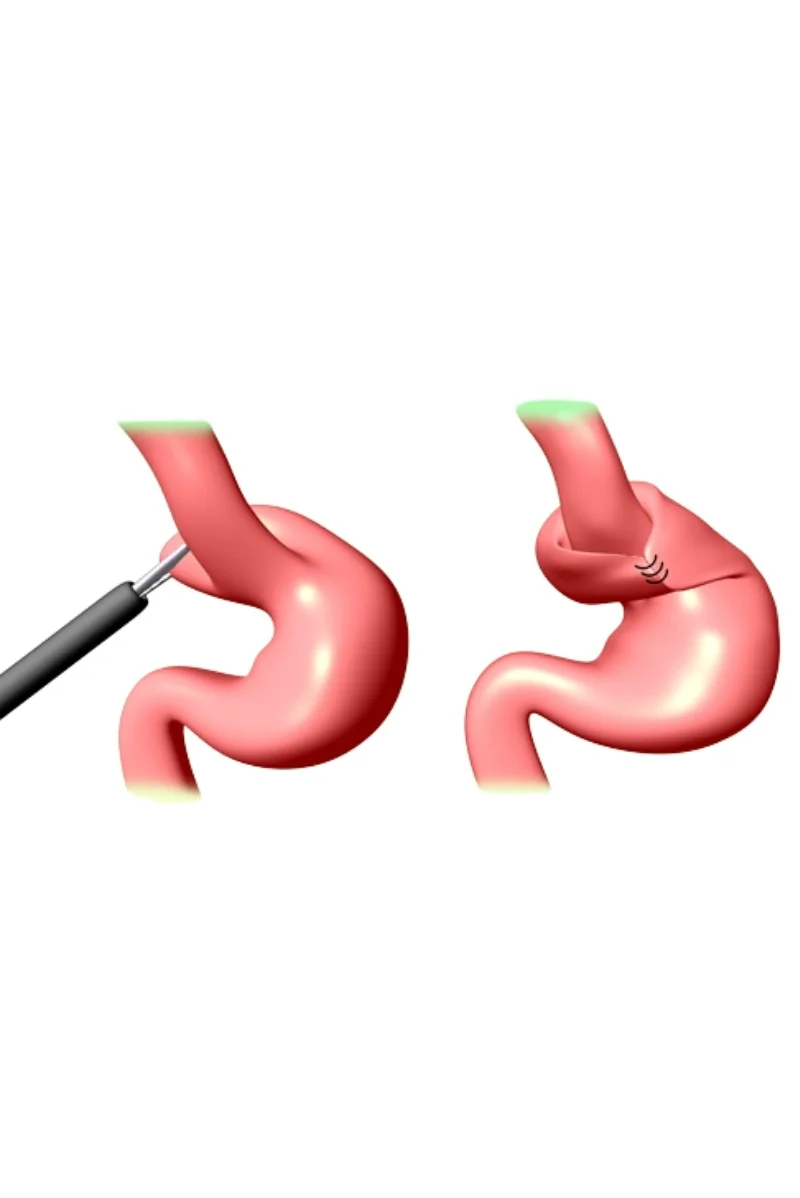
Revisional surgery for reflux restores the function of a previous anti-reflux procedure. It corrects anatomical issues, strengthens the lower esophageal sphincter, and helps relieve persistent heartburn and regurgitation, all through a minimally invasive laparoscopic approach.

Doctor discussing medical information with a patient during a consultation, with a stethoscope on the table.

Repairs Previous Surgery

The surgeon fixes or adjusts the prior anti-reflux procedure for better results.

Restores Barrier Function

Re-establishes the lower esophageal sphincter to prevent acid reflux.

Surgeons performing laparoscopic surgery using minimally invasive instruments.

Minimally Invasive Approach

Small laparoscopic incisions reduce pain, scarring, and recovery time.

Person holding their chest with one hand, indicating chest pain or discomfort.

Relieves Symptoms

Heartburn, regurgitation, and discomfort are effectively minimized.

How it works

What to Expect Before, During, and After Surgery

Your revisional reflux surgery journey begins with a thorough assessment, followed by precise surgical repair, and ends with structured recovery and follow-up. Each step is designed to ensure safety, reduce symptoms, and restore normal function.

medical

Before Surgery: Assessment and Planning

Comprehensive evaluation, imaging, and endoscopy to review previous surgery and plan the procedure.

bariatric-surgery

During Surgery: Laparoscopic Repair

Small incisions are used to reconstruct the anti-reflux barrier and correct any anatomical issues.


supplement

After Surgery: Recovery and Follow-Up

Hospital stay of 1–2 days; diet is gradually progressed, with regular check-ups to monitor healing and symptom relief.


How Revisional Surgery Improves Health Beyond Symptom Relief

Revisional surgery for reflux not only relieves persistent symptoms but also protects your esophagus and overall health. By correcting the underlying problem, it prevents complications, improves comfort, and helps you regain normal daily activities with confidence.

A human body highlighting acid reflux in the esophagus.

Reduces Risk of Complications

Prevents esophagitis, ulcers, and strictures.

Woman sleeping peacefully in bed with a smartphone resting beside her.

Improves Sleep & Comfort

Reduces nighttime reflux and associated discomfort.

Enhances Quality of Life

Freedom to eat normally without fear of pain.

Person holding their abdomen with red highlighted area indicating stomach pain or discomfort.

Supports Long-Term Health

Minimizes chronic acid exposure to the esophagus.

Dr. Hrishikesh | Best Bariatric Surgeon in Mumbai

Why Choose Dr. Hrishikesh Salgaonkar?

With global training in advanced bariatric techniques and a compassionate, patient-first approach, Dr. Hrishikesh provides precise, safe, and ethical care at every step. From your first consultation to long-term follow-up, you’ll have expert guidance and a team focused on your success.

Everything You Want to Know About Revisional Surgery for Reflux

Choosing weight-loss surgery is a big decision and it’s normal to have lots of questions. We’ve gathered the most common concerns patients share, from how the surgery works to what life looks like afterward, so you can feel confident and informed

Yes. Laparoscopic revisional surgery is safe, though it’s technically more complex than primary surgery and should be performed by an experienced surgeon.

Most patients experience significant relief, though adherence to diet and follow-up is essential for long-term success.

Patients generally return to normal activities within 1–2 weeks.

Many patients can reduce or stop acid-suppressing medications after successful surgery

It’s recommended for patients with persistent reflux symptoms or complications after prior surgery; individual evaluation is necessary.

Don’t wait to regain your health and confidence. Talk to our bariatric expert now.

Scroll to Top