
Recurrent Hernia
Understanding Recurrent Hernia Repair
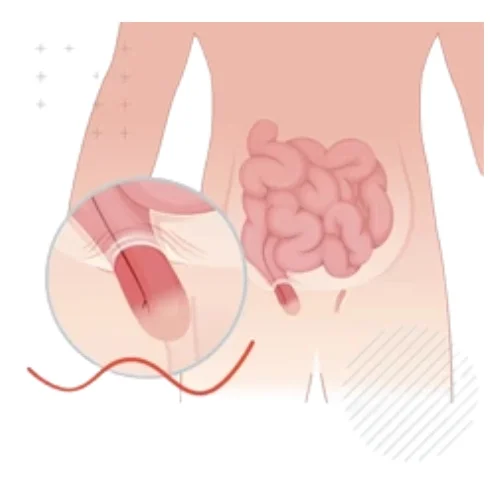
A recurrent hernia occurs when a previously treated hernia comes back at or near the same site. This can happen due to factors like weak tissues, improper healing, heavy strain, or sometimes complications from the earlier surgery. Living with a recurrent hernia often means recurring pain, swelling, or bulges that interfere with daily activities.
Repairing it requires careful planning and advanced surgical techniques to restore strength and prevent further recurrence.
- Happens when a hernia reappears after previous repair
- Can cause pain, bulging, and lifestyle limitations
What Difference Does Recurrent Hernia Repair Creates?
Recurrent hernia surgery not only fixes the weakness but also restores strength and function to the abdominal wall. It provides confidence to resume daily activities without the constant worry of another bulge or pain. The repair helps prevent long-term complications and ensures stronger reinforcement of the tissues.
Is Recurrent Hernia Repair Right for You?
Recurrent hernia repair is recommended if you notice symptoms returning after your earlier surgery. Common signs include bulging, discomfort, or persistent pain at the surgical site. It is also needed when complications such as intestinal obstruction or weakness affect normal activities. Consulting a specialist helps in choosing the best approach, whether laparoscopic or open repair.
Let’s explore if Recurrent Hernia Repair is the right solution for you
- Suitable if you have pain, swelling, or bulge after past repair
- needed if complications or risks from untreated hernia are present
What to Expect Before, During, and After Surgery
From consultation to recovery, every step is carefully managed to ensure safety, comfort, and lasting results.

Before Surgery: Assessment and Planning
Thorough evaluation including imaging and review of previous surgical history helps decide the best repair method.

During Surgery: Advanced Repair
Surgeons may use laparoscopic or open methods to reinforce the weakened area, often with mesh for long-term support.


After Surgery: Recovery and Follow-Up
Hospital stay is usually 1–2 days. Recovery includes gradual return to diet and activity, with follow-up care ensuring proper healing and reduced risk of recurrence.
How Recurrent Hernia Repair Improves Health Beyond Symptom Relief
Sleeve gastrectomy doesn’t just change your weight — it changes how your body functions. Many obesity-related health problems improve or even resolve after surgery, giving you better long-term health and quality of life.
Reduces Risk of Complications
Prevents issues like bowel obstruction, pain, and further recurrence.
Enhances Quality of Life
Frees you from constant restrictions caused by recurring hernias.
Strengthens Long-Term Abdominal Health
Provides lasting reinforcement and reduces the chance of future hernia.
Restores Daily Comfort
Allows movement and activity without fear of sudden bulging or discomfort.
Why Choose Dr. Hrishikesh Salgaonkar?
With global training in advanced bariatric techniques and a compassionate, patient-first approach, Dr. Hrishikesh provides precise, safe, and ethical care at every step. From your first consultation to long-term follow-up, you’ll have expert guidance and a team focused on your success.
- Fellowship-trained in bariatric & metabolic surgery
- Expertise in laparoscopic and robotic techniques
- Transparent, ethical treatment approach
- Personalized nutrition and recovery programs
- Strong track record of successful patient outcomes
Everything You Want to Know About Recurrent Hernia Repair
Choosing weight-loss surgery is a big decision and it’s normal to have lots of questions. We’ve gathered the most common concerns patients share, from how the surgery works to what life looks like afterward, so you can feel confident and informed
Yes. Performed with expert techniques, often laparoscopic, making it minimally invasive and safe.
Laparoscopic repair generally offers smaller incisions, less pain, and faster recovery, though the surgeon decides the best approach.
Most repairs use surgical mesh to strengthen the abdominal wall and prevent recurrence.
Light activities can resume within 1–2 weeks; heavy lifting may require 4–6 weeks.
Light activity resumes quickly; strenuous exercise is usually restricted for 4–6 weeks.
Don’t wait to regain your health and confidence. Talk to our bariatric expert now.
