
Metabolic Surgery in Mumbai

What Is Metabolic Surgery?
Metabolic surgery refers to procedures that influence digestion, appetite, and the body’s metabolic responses. It is commonly recommended for selected people with obesity and metabolic conditions such as type 2 diabetes.
These procedures may help improve blood sugar levels, reduce excess weight, and manage obesity-related health problems. However, results vary, and surgery does not guarantee that diabetes will go into remission or that medication will no longer be needed.
What Health Conditions May Benefit From Metabolic Surgery?
Metabolic surgery may be considered for patients with obesity-related health conditions, including:

What Causes Obesity and Metabolic Problems?
Obesity and metabolic conditions usually develop due to a combination of factors rather than one single cause. These may include:
- Genetic and hormonal factors
- Eating habits and excess calorie intake
- Limited physical activity
- Insulin resistance
- Sleep disturbances and chronic stress
- Certain medications and underlying health conditions
How Is the Need for Metabolic Surgery Diagnosed?
Before recommending surgery, the doctor evaluates the patient’s weight, metabolic health, medical history, and previous treatment. The assessment may include:
Medical and Weight Assessment
The surgeon reviews BMI, weight history, existing health conditions, and previous attempts at weight management.
Blood Tests
Tests such as blood glucose, HbA1c, cholesterol, liver function, and kidney function help assess metabolic health.
Nutritional Assessment
A dietitian evaluates eating habits, nutritional deficiencies, and the changes required before and after surgery.
Other Medical Evaluations
Depending on the patient’s condition, additional tests and assessments may be recommended to evaluate surgical fitness and identify potential risks.
What Are the Types of Metabolic Surgery?
The most suitable procedure depends on the patient’s BMI, diabetes status, medical history, and overall health.
Sleeve Gastrectomy
This procedure reduces the size of the stomach, helping patients feel full with smaller meals. It can support weight loss and improve certain obesity-related conditions.
Roux-en-Y Gastric Bypass
The surgeon creates a small stomach pouch and connects it to a lower section of the small intestine. This changes food intake and digestion and may improve blood sugar control.
One-Anastomosis Gastric Bypass
This procedure creates a smaller stomach pouch and connects it to the small intestine through a single connection. It may be considered for selected patients after assessment.
SADI-S Surgery
Single Anastomosis Duodeno-Ileal Bypass with Sleeve Gastrectomy combines stomach reduction with an intestinal bypass. It may be considered in selected patients and requires long-term nutritional monitoring.
When Is Metabolic Surgery Needed?
Metabolic surgery may be considered when:
- A patient has obesity with type 2 diabetes or other related health conditions.
- Weight and blood sugar levels remain difficult to manage with non-surgical treatment.
- Excess weight is affecting daily activities and overall health.
- The patient meets suitable clinical criteria and is fit for surgery.

Metabolic Surgery in Mumbai, India – Dr. Hrishikesh Salgaonkar
Dr. Hrishikesh Salgaonkar is a Consultant Surgeon in Mumbai with training in general surgery, minimal access surgery, and bariatric procedures. His qualifications include DNB in General Surgery, Fellowship of the National Board in Minimal Access Surgery, MRCS England, and a Bariatric Fellowship from the Royal College of Surgeons.
He evaluates patients with obesity and related metabolic conditions to determine whether surgery may be appropriate. The choice of procedure is based on individual health needs, medical assessment, and long-term treatment goals.
Frequently Asked Questions About Metabolic Surgery
Can metabolic surgery help reverse type 2 diabetes?
Metabolic surgery can significantly improve blood sugar control in some people with type 2 diabetes. Some patients achieve remission, but this is not guaranteed, and diabetes may return over time.
Is metabolic surgery safe for older adults?
Age alone does not determine whether someone can undergo metabolic surgery. Overall health, existing medical conditions, fitness for anaesthesia, and potential benefits and risks are considered before surgery.
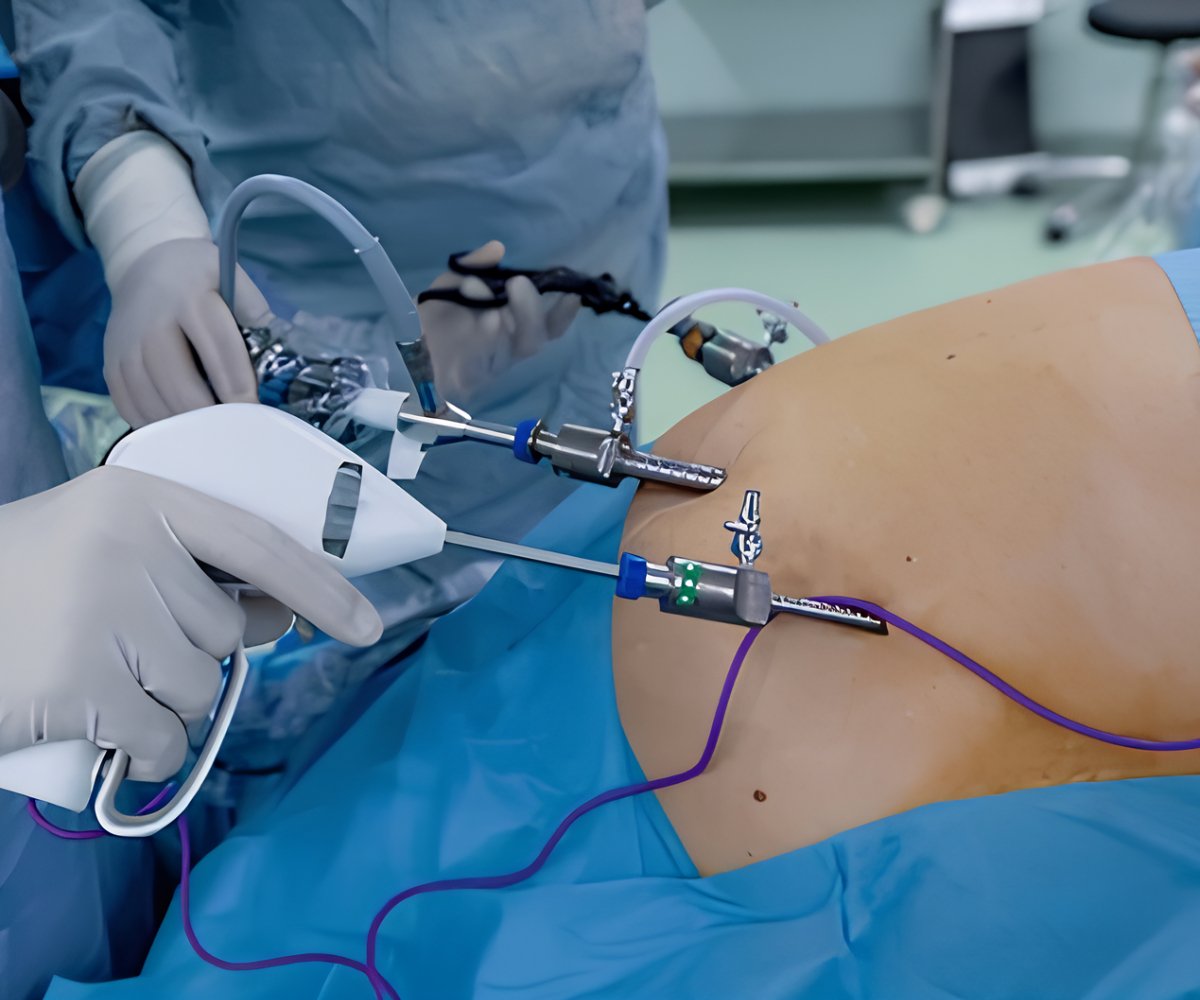
Can metabolic surgery be performed laparoscopically?
Many metabolic procedures are performed using minimally invasive laparoscopic techniques. The most suitable approach depends on the patient’s health and the operation being planned.
Can I become pregnant after metabolic surgery?
Pregnancy may be possible after metabolic surgery, but it is generally advised to wait until weight has stabilised and nutritional health is adequate. Discuss pregnancy planning with the surgeon and treating obstetrician.
Is metabolic surgery possible for people who are not severely obese?
Yes, selected patients with metabolic disease may be considered for surgery at lower BMI levels. Eligibility depends on clinical guidelines, health conditions, previous treatment, and individual assessment.
Will I need diabetes medication after metabolic surgery?
Some patients may need lower doses or fewer diabetes medicines after surgery. Others may continue to need medication. Blood sugar should be monitored, and any changes in treatment must be guided by the treating doctor.
Will I regain weight after metabolic surgery?
Some weight regain can occur over time. Long-term dietary habits, physical activity, follow-up care, and metabolic factors can influence weight maintenance.
Will I need to take vitamins after metabolic surgery?
Many patients require vitamin and mineral supplements after surgery, particularly after procedures that affect nutrient absorption. Regular blood tests help identify and manage deficiencies.