
Heller’s Cardiomyotomy Surgery in Mumbai, India
What Is Heller’s Cardiomyotomy Surgery?
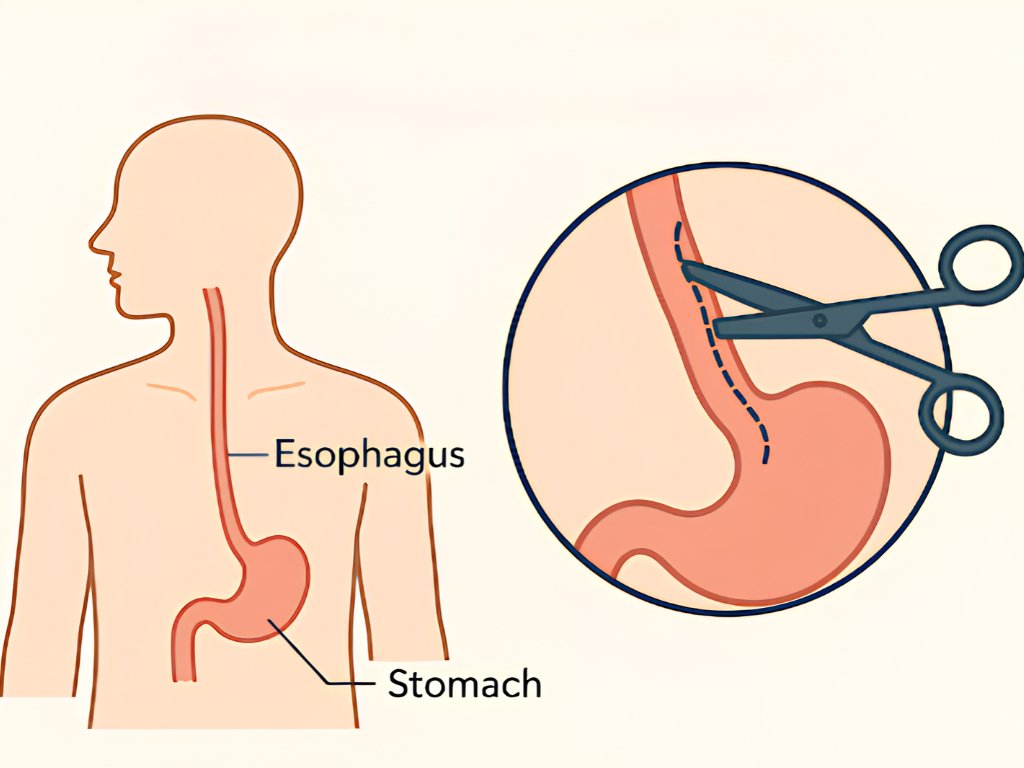
Heller’s cardiomyotomy, also known as Heller myotomy, is a surgical procedure commonly performed to treat achalasia cardia, a condition in which the lower oesophageal sphincter (LES) fails to relax properly during swallowing. This makes it difficult for food and liquids to pass from the oesophagus into the stomach.
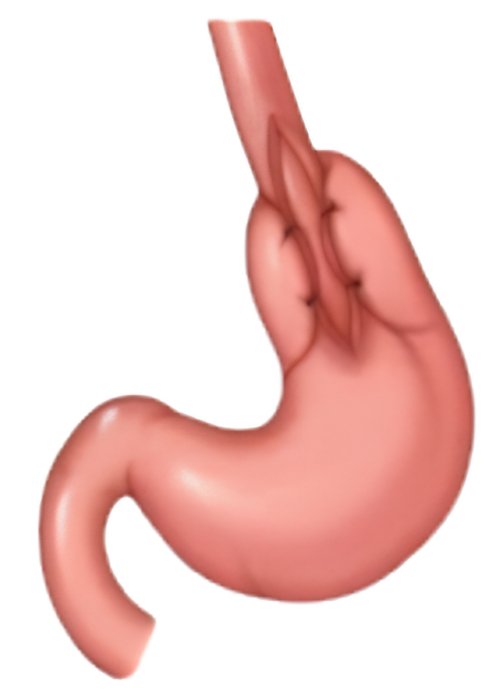
During the procedure, the surgeon carefully divides the muscle fibres of the LES to reduce pressure and allow food to pass more easily into the stomach. It is generally performed using a laparoscopic approach through small abdominal incisions. A partial fundoplication may also be performed to help prevent acid reflux after surgery
What Are the Common Symptoms That May Require Heller’s Cardiomyotomy?
Symptoms associated with the condition treated through Heller’s cardiomyotomy can develop gradually. Some people initially experience difficulty swallowing solid food, while others may have trouble swallowing both food and liquids. Common symptoms include:
What Causes the Heller’s Cardiomyotomy?
Heller’s cardiomyotomy is most commonly performed for achalasia cardia, an oesophageal motility disorder. The exact cause of this condition is not fully understood, but it is associated with damage to the nerve cells that control the movement of the oesophagus and relaxation of the lower oesophageal sphincter.
This affects two important functions:
- Poor oesophageal movement: The muscles do not produce normal coordinated contractions to move food towards the stomach.
- Failure of sphincter relaxation: The lower oesophageal sphincter remains tighter than normal and does not open adequately during swallowing.
How Is the Condition Diagnosed Before Heller’s Cardiomyoto
Before recommending Heller’s cardiomyotomy, the doctor evaluates the patient’s symptoms and may suggest investigations to assess oesophageal movement and identify the cause of swallowing difficulties.
Upper GI Endoscopy
Upper gastrointestinal endoscopy involves passing a flexible camera through the mouth to examine the oesophagus and stomach. It helps identify retained food, inflammation, narrowing, or other abnormalities. It is also important for ruling out structural conditions that may cause similar symptoms.
Oesophageal Manometry
High-resolution oesophageal manometry measures pressure changes and muscle contractions in the oesophagus during swallowing. It helps assess whether the lower oesophageal sphincter relaxes properly and whether normal oesophageal muscle movements are present.
Barium Swallow Test
In this test, the patient drinks a contrast liquid while X-ray images are taken. The images show how the liquid passes through the oesophagus and whether there is a delay in its movement into the stomach.
Additional Investigations
Depending on the symptoms and initial findings, the doctor may recommend additional tests, such as CT imaging or other investigations, to rule out conditions that can mimic an oesophageal motility disorder.
What Are the Treatment Options?
Treatment aims to relax the lower oesophageal sphincter, allowing food and liquids to pass easily into the stomach. The approach depends on the condition, symptom severity, overall health, and previous treatments.
Laparoscopic Heller Myotomy
The procedure involves dividing the muscle fibres of the lower oesophageal sphincter through small abdominal incisions. A partial fundoplication, such as Dor or Toupet, is generally added to reduce postoperative acid reflux.
Pneumatic Balloon Dilatation
A non-surgical alternative in which an endoscopic balloon is inflated across the lower oesophageal sphincter to stretch the tight muscle fibres and improve food passage.
Peroral Endoscopic Myotomy (POEM)
An endoscopic alternative performed through the mouth. A small tunnel is created within the oesophageal wall, allowing the surgeon to divide the obstructing muscle fibres without external incisions.
Botulinum Toxin Injection
An endoscopic injection that temporarily relaxes the lower oesophageal sphincter. It may be considered for patients who are not suitable for surgery or other definitive treatments.
When Is Heller’s Cardiomyotomy Surgery Needed?
Heller’s cardiomyotomy may be considered when a patient has persistent swallowing difficulties, and investigations confirm an oesophageal motility disorder for which surgical myotomy is appropriate.
The procedure may be recommended when:
- Swallowing difficulties interfere with regular eating and drinking.
- Food frequently remains in the oesophagus.
- Symptoms affect nutritional intake and result in unintended weight loss.
- There is significant regurgitation or chest discomfort.
- A more definitive treatment approach is considered suitable after evaluating other options.


Why Choose Dr. Hrishikesh For Heller’s Cardiomyotomy?
Dr. Hrishikesh Salgaonkar is a Consultant Surgeon with specialised training in gastrointestinal, bariatric, robotic and minimally invasive surgery. His qualifications include DNB in General Surgery, Fellowship in Minimal Access Surgery, Membership of the Royal College of Surgeons of England, and advanced training in oesophagogastric surgery.
His experience in gastrointestinal and minimally invasive procedures supports the evaluation and surgical management of oesophageal conditions such as achalasia cardia. He carefully assesses each patient’s condition and discusses suitable treatment options, including Heller’s cardiomyotomy when indicated, with a focus on safe and appropriate surgical care.
Frequently Asked Questions About Heller’s Cardiomyotomy
Why is Heller’s cardiomyotomy performed?
The procedure is performed to reduce resistance at the lower oesophageal sphincter in patients who have difficulty swallowing because of abnormal oesophageal muscle function.
How long does recovery take after Heller’s cardiomyotomy?
Recovery varies depending on the patient’s health, the surgical approach, and the presence of any complications. Patients generally progress from liquids to soft foods and then regular meals according to their surgeon’s instructions.
Can swallowing improve after Heller’s cardiomyotomy?
The procedure aims to improve the passage of food into the stomach by reducing pressure at the lower oesophageal sphincter. The degree of improvement varies between patients, and some may continue to experience symptoms.
Can symptoms return after Heller’s cardiomyotomy?
Some patients may experience persistent or recurring swallowing difficulties after surgery. Possible reasons include incomplete muscle division, scarring, or other anatomical problems. Further investigations may be required to identify the cause and consider additional treatment.
Is Heller’s cardiomyotomy an open or laparoscopic surgery?
It is commonly performed using a laparoscopic approach. The surgeon uses a camera and specialised instruments through small abdominal incisions rather than making a large incision.
How is Heller’s cardiomyotomy different from POEM?
Heller’s cardiomyotomy is performed laparoscopically through small abdominal incisions, whereas POEM is performed using an endoscope passed through the mouth. Both procedures aim to divide the abnormal muscle fibres and reduce resistance at the lower oesophageal sphincter.
Can acid reflux occur after Heller’s cardiomyotomy?
Yes. Acid reflux is a possible complication after the procedure. A partial fundoplication is often performed along with the myotomy to help reduce this risk.
What are the possible complications of Heller’s cardiomyotomy?
Potential complications include bleeding, infection, injury or perforation of the oesophagus, acid reflux, difficulty swallowing and complications related to general anaesthesia. The individual risks should be discussed with the surgeon before surgery.