
Gastric Volvulus Surgery in Mumbai, India
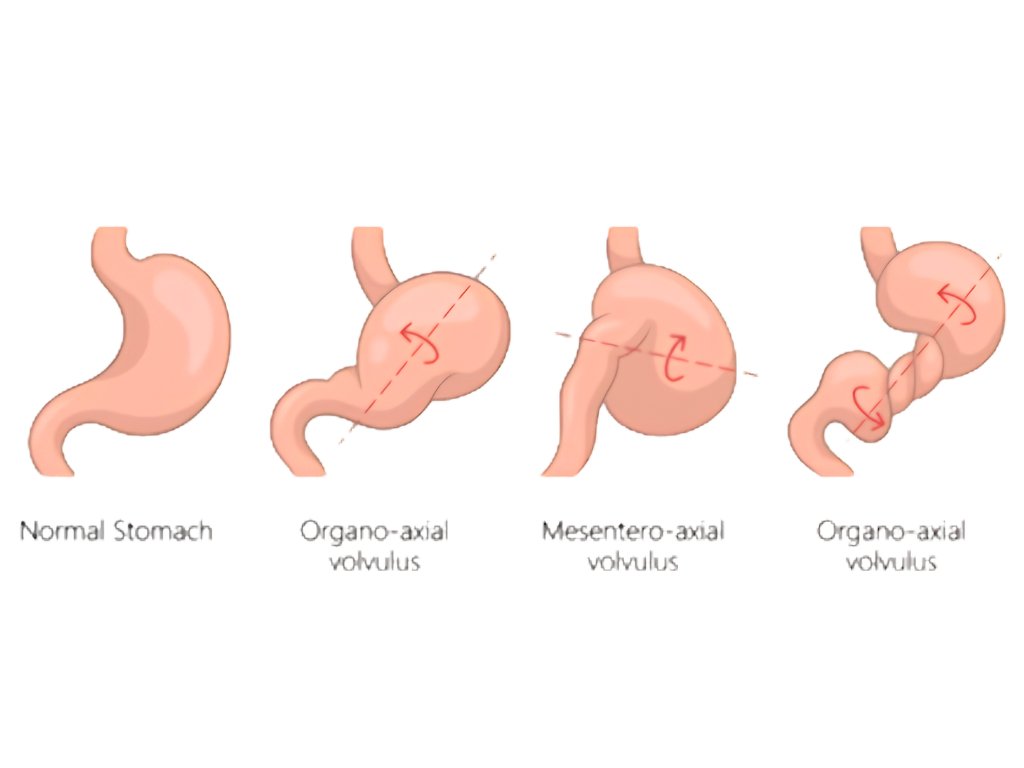
What Is Gastric Volvulus?
Gastric volvulus is a condition in which the stomach twists more than 180 degrees around one of its axes. This twisting can block the movement of food and digestive contents and may affect the stomach’s blood supply. In severe cases, it can lead to tissue damage or stomach perforation.
Gastric volvulus is mainly classified into two types:
- Organoaxial Volvulus: The stomach rotates around its long axis, between the gastro-oesophageal junction and the pylorus. It is the more common type.
- Mesenteroaxial Volvulus: The stomach rotates around an imaginary axis perpendicular to its long axis, changing the normal position of its upper and lower portions.
Gastric volvulus can be acute, with sudden symptoms, or chronic, with intermittent twisting and recurring symptoms.
What Are the Common Symptoms of Gastric Volvulus?
The symptoms of gastric volvulus depend on how much the stomach has twisted and whether the condition has developed suddenly or gradually. Common symptoms include:

What Causes Gastric Volvulus?
Gastric volvulus occurs when the stomach loses its normal support and twists around its axis. This may happen due to weakened stomach-supporting ligaments or anatomical problems involving the diaphragm. The condition is mainly divided into two types:
- Primary Gastric Volvulus: Occurs when the ligaments supporting the stomach become loose, stretched or weakened, allowing the stomach to rotate abnormally.
- Secondary Gastric Volvulus: Develops due to other anatomical conditions that affect the stomach’s normal position or support, such as:
- Paraesophageal hernia
- Hiatal hernia
- Diaphragmatic hernia
- Diaphragmatic eventration
- Previous upper abdominal surgery
- Abnormalities in stomach-supporting structures
Identifying the underlying cause helps doctors plan appropriate treatment to correct the twisting and address the associated anatomical problem.
How Is Gastric Volvulus Diagnosed?
Accurate diagnosis is important because gastric volvulus can sometimes resemble other digestive conditions. The doctor evaluates the patient’s symptoms, medical history, and physical examination findings before recommending appropriate investigations.
Abdominal X-ray or Chest X-ray
An X-ray may show an unusually enlarged stomach, abnormal stomach positioning, or air-fluid levels. It can provide initial evidence of gastric volvulus, particularly when part of the stomach has moved into the chest.
CT Scan
A CT scan of the abdomen and chest can help confirm the diagnosis and show the direction of stomach rotation. It also helps identify associated hernias, obstruction, and possible signs of reduced blood supply or tissue damage.
Upper GI Contrast Study
In this investigation, the patient drinks a contrast liquid while X-ray images are taken. The study helps assess the position of the stomach and the movement of the contrast material through the digestive tract.
Upper GI Endoscopy
An upper gastrointestinal endoscopy uses a flexible camera to examine the oesophagus, stomach and upper digestive tract. It may help assess the internal condition of the stomach, identify retained food and evaluate the stomach lining for signs of damage.
What Are the Treatment Options for Gastric Volvulus?
Treatment of gastric volvulus aims to untwist the stomach, restore the normal passage of food and prevent recurrence. The choice of treatment depends on the severity of the condition, stomach health and the patient’s overall health.
Gastric Decompression
A nasogastric tube is passed through the nose into the stomach to remove accumulated air and fluid. This helps reduce stomach pressure and stabilise the patient before further treatment.
Laparoscopic Gastric Volvulus Surgery
This minimally invasive procedure uses small abdominal incisions, a camera and specialised instruments to untwist the stomach and return it to its normal position. Gastropexy may also be performed to prevent recurrence.
Repair of Associated Hiatal or Diaphragmatic Hernia
If gastric volvulus is caused by a hiatal or diaphragmatic hernia, the surgeon repairs the underlying defect and returns the stomach to its normal position. An anti-reflux procedure may also be considered when required
Gastric Resection in Complicated Cases
In severe cases, prolonged twisting can reduce blood supply to the stomach and cause tissue damage. If the affected tissue cannot survive, the damaged portion may need to be surgically removed. This procedure is generally required in cases involving gastric necrosis or perforation
When Is Gastric Volvulus Surgery Needed?
Surgery may be recommended for gastric volvulus when stomach twisting causes obstruction, recurring symptoms, or affects the blood supply. Surgical treatment may be considered in the following situations:
- Acute twisting causing stomach obstruction.
- Persistent or recurring abdominal pain and vomiting.
- Difficulty eating or drinking.
- Gastric volvulus associated with a hiatal or diaphragmatic hernia.
- Reduced blood supply or damage to the stomach.
- Repeated episodes despite initial treatment.
Acute gastric volvulus with suspected tissue damage, strangulation, or perforation requires emergency surgical assessment. For chronic or intermittent cases, the surgeon evaluates symptoms, imaging reports, and overall health before recommending planned surgery.


Why Choose Dr. Hrishikesh Salgaonkar For Gastric Volvulus Surgery
Dr. Hrishikesh Salgaonkar is a Consultant Surgeon specializing in gastrointestinal, bariatric, robotic and minimally invasive surgery. His qualifications include DNB in General Surgery, Fellowship in Minimal Access Surgery, MRCS England and a Fellowship in Oesophagogastric Surgery. He has also completed advanced gastrointestinal surgical training in Singapore.
His training in upper gastrointestinal surgery supports the evaluation and management of complex stomach conditions such as gastric volvulus. He carefully assesses the degree of stomach twisting, associated abnormalities and the patient’s overall health to discuss suitable treatment options and surgical approaches.
Frequently Asked Questions About Gastric Volvulus
Is gastric volvulus a serious condition?
Yes. Gastric volvulus can cause blockage of the stomach and may interfere with its blood supply. Severe cases can lead to tissue damage, perforation, and other serious complications. Acute symptoms require immediate medical attention.
Can gastric volvulus be treated without surgery?
Selected patients may initially receive stomach decompression or endoscopic treatment, particularly when surgery carries significant risk and there are no signs of stomach tissue damage. However, these approaches may not provide a permanent solution. Surgery is generally considered when the patient is fit for definitive treatment.
What is gastropexy in gastric volvulus surgery?
Gastropexy is a surgical technique in which the stomach is secured to the abdominal wall or another appropriate structure. It helps prevent the stomach from twisting again after it has been returned to its normal position.
Can gastric volvulus return after surgery?
Recurrence is possible, although surgery aims to reduce this risk by correcting the twisting and securing the stomach. The possibility of recurrence depends on the underlying cause, the surgical procedure, and individual anatomical factors.
Can gastric volvulus occur suddenly?
Yes. Acute gastric volvulus can develop suddenly and cause severe upper abdominal pain, retching, and vomiting. It requires urgent medical assessment because the blood supply to the stomach may become compromised.
Is laparoscopic surgery used for gastric volvulus?
Yes. Laparoscopic surgery may be used in suitable patients. It involves small abdominal incisions through which the surgeon untwists the stomach, corrects associated anatomical problems, and may perform gastropexy to help prevent recurrence.
Can a hiatal hernia cause gastric volvulus?
Yes. A large hiatal or paraesophageal hernia can allow part of the stomach to move through the diaphragm into the chest. This abnormal positioning can increase the possibility of stomach twisting.
What happens if gastric volvulus is left untreated?
Untreated gastric volvulus can cause persistent obstruction and, in severe cases, reduced blood supply to the stomach. This may lead to tissue damage, perforation, and serious infection. Acute symptoms should never be ignored.