
Gallbladder Polyp Surgery in Mumbai, India
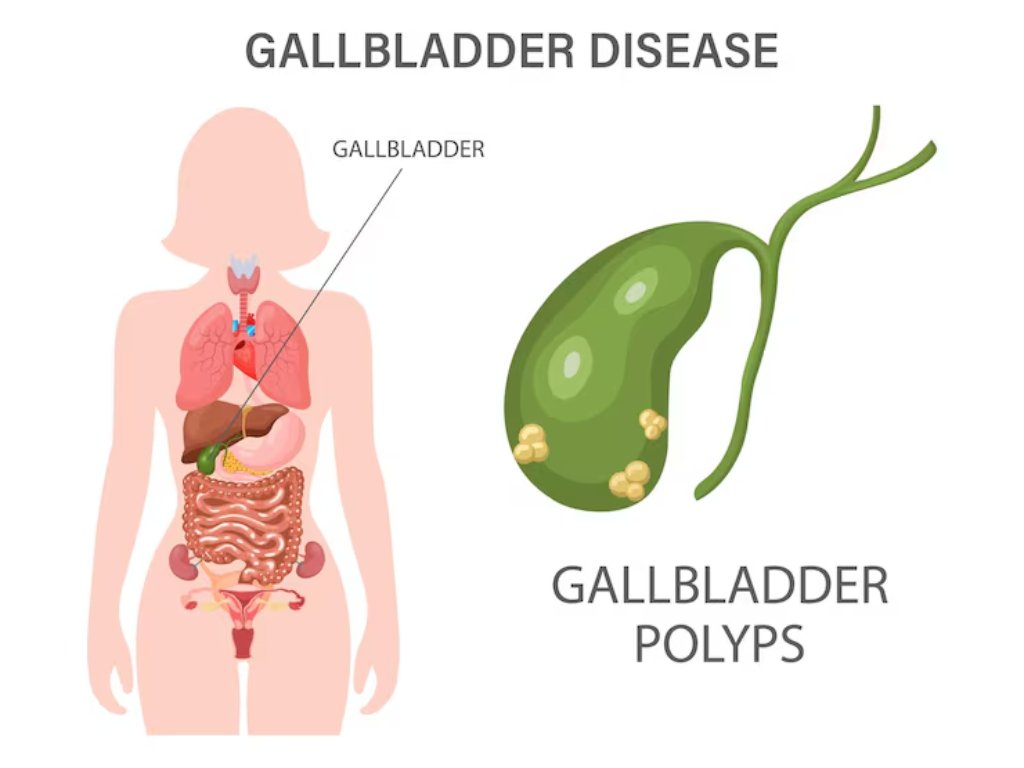
What Is a Gallbladder Polyp?
A gallbladder polyp is a growth that projects from the inner lining of the gallbladder. Polyps vary in size, number, and type. Many are discovered during routine abdominal imaging and do not cause noticeable symptoms. Gallbladder polyps can broadly be classified into different types:
- Cholesterol Polyps: These are common non-cancerous growths associated with cholesterol deposits in the gallbladder lining.
- Inflammatory Polyps: These may develop in association with inflammation of the gallbladder.
- Adenomas: These are growths formed from glandular tissue. Some adenomas have the potential to become cancerous.
- Other Polypoid Lesions: Certain conditions, such as adenomyomatosis, can appear similar to polyps on imaging.
What Are the Common Symptoms of Gallbladder Polyps?
Most gallbladder polyps are asymptomatic and detected incidentally on ultrasound. When symptoms occur, they are usually related to an associated gallbladder condition rather than the polyp itself.

The exact cause of gallbladder polyps depends on their type. Some are associated with cholesterol deposits or inflammation, while others develop from changes in the gallbladder lining. Factors and conditions associated with gallbladder polypoid growths include:
- Cholesterol Deposits: Excess cholesterol accumulation in the gallbladder lining can lead to cholesterol polyps.
- Gallbladder Inflammation: Chronic inflammation may be associated with inflammatory changes in the gallbladder wall.
- Abnormal Cell Growth: Some polyps develop due to changes in the cells lining the gallbladder.
- Adenomas: These are true glandular growths and are important to assess because some may have malignant potential.
- Associated Gallbladder Conditions: Certain conditions affecting the gallbladder wall may resemble polypoid growths on imaging.
How Is a Gallbladder Polyp Diagnosed?
Gallbladder polyps are usually diagnosed through imaging investigations. The doctor evaluates the size, number, shape, and appearance of the growths to decide whether monitoring or further assessment is needed. Common diagnostic methods include:
Abdominal Ultrasound
Ultrasound is the primary investigation used to identify gallbladder polyps. It helps assess their size, number, location, and appearance. It is also useful for monitoring changes over time.
Blood Tests
Blood investigations may be advised when symptoms suggest inflammation, infection, or another gallbladder or liver-related condition. Blood tests do not independently confirm a gallbladder polyp.
Endoscopic Ultrasound
In selected cases where standard ultrasound findings are unclear, endoscopic ultrasound may provide more detailed images of the gallbladder and its surrounding structures.
CT Scan or MRI
These investigations may be considered when the doctor needs to assess an uncertain finding, evaluate surrounding structures, or investigate a suspected complication or concerning lesion. They are not routinely required for every gallbladder polyp.
What Are the Treatment Options for Gallbladder Polyps?
Treatment depends on the polyp’s size, appearance, growth, associated symptoms, and individual risk factors. Some patients need only follow-up ultrasound examinations, while others may be advised to undergo surgery.
Regular Monitoring and Follow-Up
Small gallbladder polyps without concerning features may not require immediate surgery. Depending on their size and the patient's risk factors, the doctor may recommend repeat ultrasound examinations at specific intervals to monitor changes.
Laparoscopic Cholecystectomy
Laparoscopic cholecystectomy is a minimally invasive procedure in which the entire gallbladder is removed through small incisions in the abdomen. A camera and specialised surgical instruments help the surgeon perform the operation.
Open Cholecystectomy
Open cholecystectomy involves removing the gallbladder through a larger abdominal incision. It may be considered when the surgeon determines that a laparoscopic approach is unsuitable or when specific clinical circumstances require open surgery.
Histopathological Evaluation After Surgery
After cholecystectomy, the removed gallbladder is sent for histopathological examination. The laboratory evaluates the tissue to identify the type of polyp and check for abnormal or cancerous changes.
When Is Gallbladder Polyp Surgery Needed?
Not all gallbladder polyps require surgery. The decision to perform cholecystectomy depends on malignancy risk, symptoms, polyp size, imaging features, and surgical fitness. Surgery may be considered in the following situations:
- Larger Polyps: Polyps measuring 10 mm or more, as recommended by the 2022 European joint guidelines.
- Polyps with Risk Factors: Polyps measuring 6–9 mm with risk factors such as age over 60, primary sclerosing cholangitis, Asian ethnicity, or sessile appearance.
- Concerning Growth: Polyps that increase in size during follow-up, requiring reassessment.
- Suspicious Imaging Features: Sessile polyps or associated gallbladder wall thickening.


Why Choose Dr. Hrishikesh Salgaonkar for Gallbladder Polyp Surgery?
Dr. Hrishikesh Salgaonkar is a Consultant Surgeon in Mumbai with specialised training in general surgery, minimal access surgery, and advanced gastrointestinal procedures. His qualifications include DNB in General Surgery, Fellowship of the National Board in Minimal Access Surgery, and MRCS England, along with advanced surgical fellowship training in Singapore and the United Kingdom.
He evaluates patients diagnosed with gallbladder polyps and recommends treatment based on polyp size, ultrasound findings, symptoms, and individual risk factors. Depending on the clinical assessment, treatment may involve regular ultrasound monitoring or laparoscopic cholecystectomy (gallbladder removal surgery). Patients are counselled about the surgical approach, potential risks, benefits, and expected recovery.
Frequently Asked Questions About Gallbladder Polyp
Are all gallbladder polyps cancerous?
No. Most gallbladder polyps are benign, and many are cholesterol polyps. However, some growths may have the potential to become cancerous. Their size, appearance, growth pattern, and associated risk factors help doctors decide whether further investigation or surgery is needed.
Is laparoscopic surgery used for gallbladder polyps?
Yes. When surgery is indicated, laparoscopic cholecystectomy is commonly performed. The surgeon removes the gallbladder through small abdominal incisions using a camera and specialised instruments.
How long does gallbladder polyp surgery take?
The duration varies depending on the patient’s condition, gallbladder anatomy, and complexity of the operation. The surgeon can provide an estimate after reviewing the investigation reports and assessing the patient.
Can gallbladder polyps grow over time?
Some polyps may increase in size, while others remain stable or disappear on follow-up imaging. Changes in size should be assessed along with the polyp’s current measurements, appearance, and individual risk factors.
What size of gallbladder polyp requires surgery?
The 2022 European joint guidelines recommend cholecystectomy for polyps measuring 10 mm or more in suitable patients. Some smaller polyps may also require surgery when specific risk factors or concerning features are present. Recommendations can vary between guidelines, so individual assessment is important.
Can a small gallbladder polyp be treated without surgery?
Yes. Many small polyps do not require immediate surgery. Depending on their size and risk factors, the doctor may recommend periodic ultrasound examinations or no further follow-up.
How long does it take to recover from gallbladder polyp surgery?
Recovery depends on whether the operation is laparoscopic or open and whether there are any complications. Many patients return to routine activities gradually after laparoscopic surgery, while open surgery may require a longer recovery period.
Can a person live normally without a gallbladder?
Yes. Most people can live a normal life after gallbladder removal. The liver continues producing bile, which flows directly into the small intestine. Some patients may experience temporary digestive changes after surgery.