
Duodeno-Jejunal Bypass Surgery in Mumbai
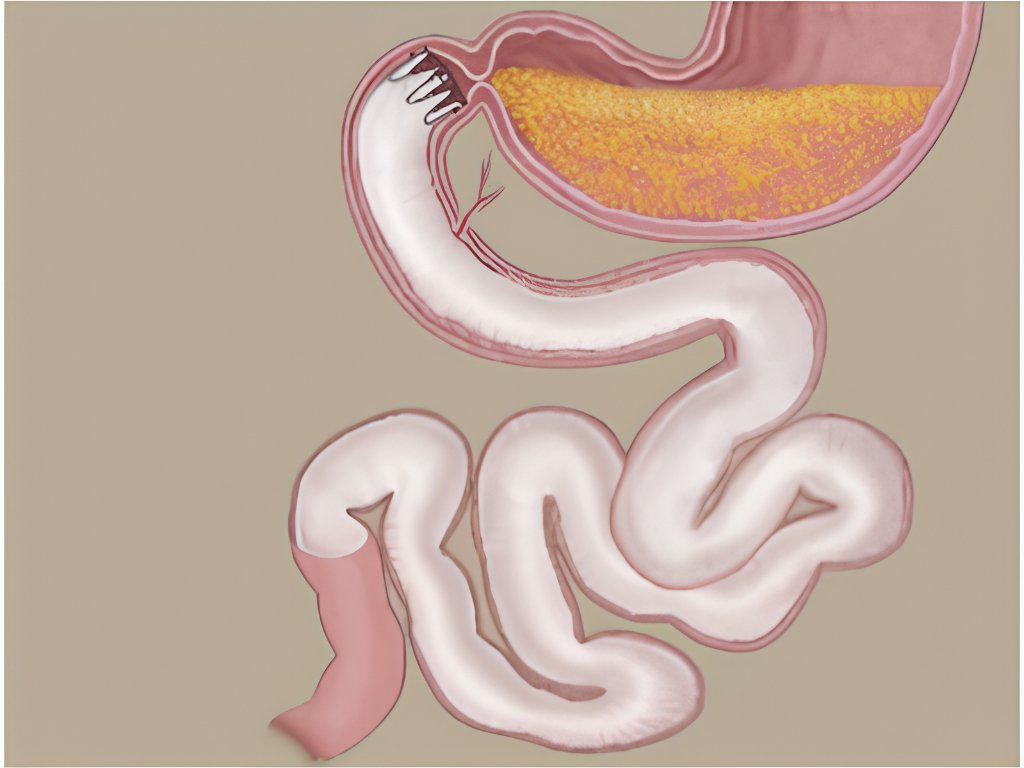
What Is Duodeno-Jejunal Bypass Surgery?
Duodeno-Jejunal Bypass is a metabolic procedure in which the passage of food is redirected from the stomach to the jejunum, bypassing the duodenum and part of the upper small intestine.
The stomach is generally preserved rather than reduced in size. By changing the route of food through the digestive system, the procedure aims to influence metabolic signals involved in blood sugar regulation.
Who May Be Considered for Duodeno-Jejunal Bypass?
DJB has been studied mainly in selected patients with type 2 diabetes and metabolic disorders. A specialist assessment may consider patients who have:

What Causes Type 2 Diabetes and Metabolic Problems?
Type 2 diabetes and metabolic disorders can develop due to a combination of factors, including:
- Insulin resistance
- Genetic and family history
- Excess body weight
- Limited physical activity
- Dietary and lifestyle factors
- Hormonal and metabolic changes
How Is the Need for Duodeno-Jejunal Bypass Diagnosed?
Before considering surgery, the doctor evaluates the patient’s diabetes history, metabolic health, digestive system, and fitness for an operation.
Medical and Diabetes Assessment
The doctor reviews diabetes duration, blood sugar control, current medication, weight history, and associated health conditions.
Blood Tests
Tests may include fasting blood glucose, HbA1c, lipid profile, liver function, kidney function, and nutritional levels.
Nutritional Assessment
A dietitian evaluates eating habits and identifies nutritional deficiencies that may need correction before surgery.
Surgical Fitness Assessment
Additional investigations and anaesthesia evaluation help determine whether the patient can safely undergo the proposed procedure.
How Is Duodeno-Jejunal Bypass Surgery Performed?
The exact surgical technique depends on the planned reconstruction. In a standalone DJB procedure, the stomach is preserved, and the surgeon creates a new connection between the duodenum and the jejunum so that food bypasses part of the upper small intestine.
The procedure is generally performed under general anaesthesia using a laparoscopic approach in suitable patients.
The surgeon plans the intestinal connection and bypass length according to the patient’s anatomy and clinical requirements.

When Is Duodeno-Jejunal Bypass Surgery Considered?
DJB may be considered in carefully selected patients when:
- Type 2 diabetes remains difficult to control despite appropriate treatment.
- The patient has metabolic problems that may benefit from an intestinal bypass procedure.
- A detailed medical and nutritional assessment supports consideration of surgery.
- The patient understands the potential risks, uncertain long-term outcomes, and need for continued follow-up.
The benefits and limitations of DJB should be discussed with a multidisciplinary team before deciding on surgery.

Duodeno-Jejunal Bypass Surgery in Mumbai, India – Dr. Hrishikesh Salgaonkar
Dr. Hrishikesh Salgaonkar is a Consultant Surgeon in Mumbai with training in general surgery, bariatric surgery, and minimally invasive gastrointestinal procedures. His qualifications include DNB in General Surgery, Fellowship of the National Board in Minimal Access Surgery, MRCS England, and a Bariatric Fellowship from the Royal College of Surgeons.
He evaluates patients with obesity and metabolic conditions to discuss appropriate treatment approaches. Surgical decisions are based on the patient’s medical history, metabolic health, investigation findings, and suitability for the proposed procedure.
Frequently Asked Questions About Duodeno-Jejunal Bypass Surgery
Is Duodeno-Jejunal Bypass the same as gastric bypass?
No. DJB specifically redirects food from the stomach to the jejunum, bypassing the duodenum and part of the upper small intestine. Gastric bypass procedures such as Roux-en-Y also create a smaller stomach pouch and involve a different intestinal reconstruction.
Is Duodeno-Jejunal Bypass suitable for patients with a normal BMI?
Some research has evaluated DJB in people with type 2 diabetes who are overweight or have lower BMI levels. However, suitability is not determined by BMI alone and requires specialist assessment.
How long does Duodeno-Jejunal Bypass surgery take?
Operating time depends on the surgical technique, anatomy, and complexity of the case. The surgeon can provide an estimate after reviewing the patient’s condition.
Is Duodeno-Jejunal Bypass a permanent procedure?
DJB changes the anatomy of the digestive tract through a surgical connection. It should be considered a major surgical intervention, and any future revision or reversal would require specialist assessment.
Does Duodeno-Jejunal Bypass reduce stomach size?
Standalone DJB does not involve the sleeve gastrectomy used in combined procedures. The stomach is generally preserved, although the exact surgical technique should be confirmed with the treating surgeon.
Can Duodeno-Jejunal Bypass help control type 2 diabetes?
DJB has been studied for its potential to improve blood sugar regulation in people with type 2 diabetes. However, the available evidence is limited, and improvement or diabetes remission cannot be guaranteed.
Will I need diabetes medication after DJB surgery?
Some patients may need changes to their diabetes medication after surgery. Medication requirements vary, and blood sugar should be monitored under medical supervision.
What diet should I follow after Duodeno-Jejunal Bypass?
Patients generally follow a staged diet after surgery, with gradual progression from liquids to soft foods and regular meals. Individual dietary instructions are provided by the surgical team and dietitian.