
Diaphragmatic Hernia Repair Surgery in Mumbai, India
What Is a Diaphragmatic Hernia?
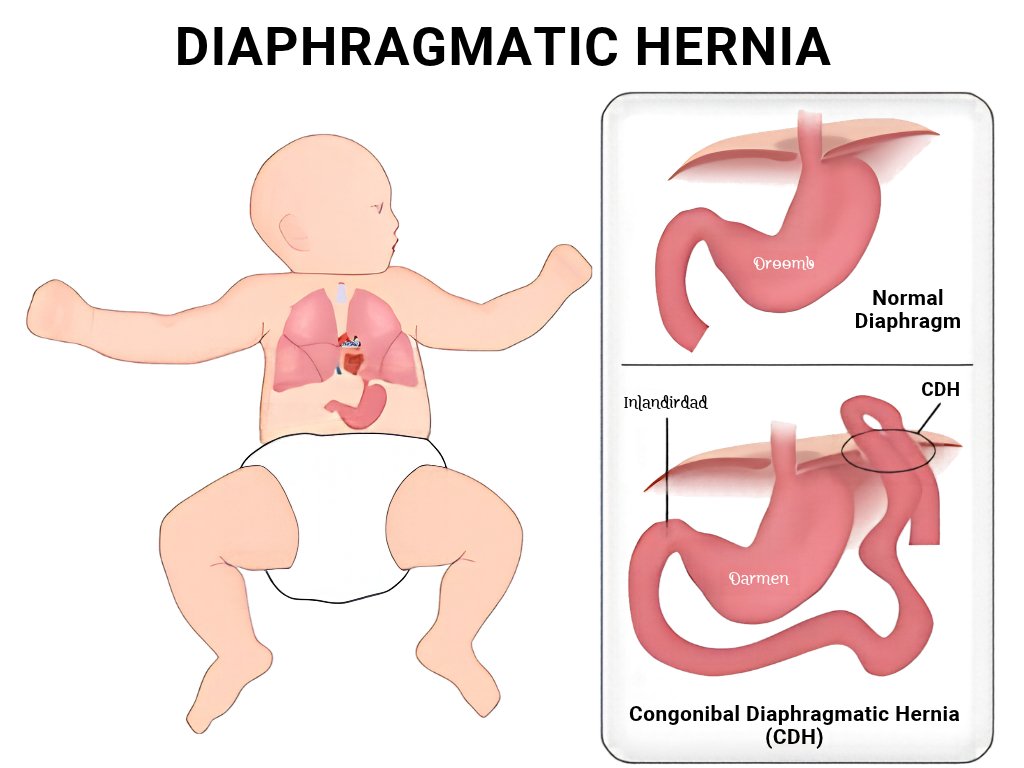
A diaphragmatic hernia is a condition in which part of the stomach, intestine, or another abdominal organ moves into the chest through an abnormal opening in the diaphragm. It is broadly classified into two types:
- Congenital Diaphragmatic Hernia: This develops before birth when the diaphragm does not form completely. Doctors usually diagnose it during pregnancy or shortly after birth, although some cases may be identified later.
- Acquired Diaphragmatic Hernia: This develops after birth, commonly due to blunt or penetrating injuries to the chest or abdomen. It may also occur following certain surgical procedures.
Some patients may not experience symptoms initially. However, a diaphragmatic hernia can sometimes lead to obstruction, organ compression, or other serious complications that require surgical treatment.
What Are the Common Symptoms of a Diaphragmatic Hernia?
Symptoms depend on the location and size of the defect, the organs involved, and whether complications have developed. Some patients may have mild symptoms, while others require urgent medical attention. Common symptoms include:
What Causes a Diaphragmatic Hernia?
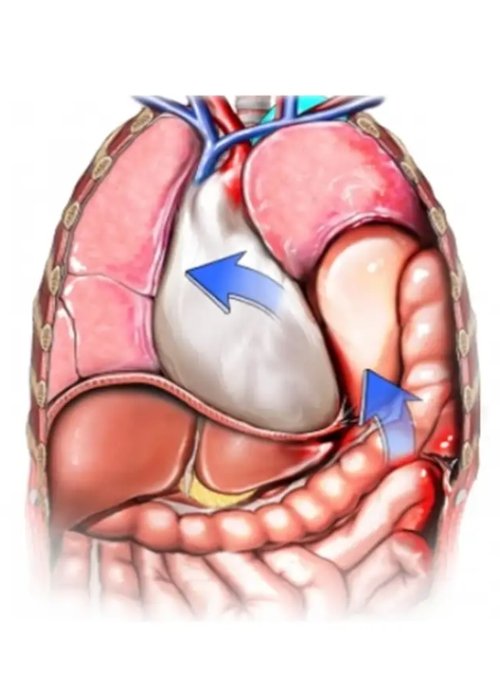
The causes depend on whether the condition is congenital or acquired.
- Developmental Defect: Congenital diaphragmatic hernia develops when the diaphragm does not form completely during pregnancy.
- Road Accidents: A strong impact to the chest or abdomen can cause a tear in the diaphragm.
- Blunt Trauma: Falls, sports injuries, or other direct impacts may damage the diaphragm.
- Penetrating Injuries: Stab wounds or other penetrating injuries can create an opening in the diaphragm.
- Surgical Complications: In some cases, diaphragmatic defects may develop following previous surgical procedures or medical interventions.
How Is a Diaphragmatic Hernia Diagnosed?
Diagnosis involves reviewing symptoms, medical history, and imaging findings. The doctor may recommend the following investigations:
Physical Examination
The doctor checks for chest or abdominal discomfort, breathing difficulties, and other signs that may suggest a diaphragmatic hernia.
Chest X-Ray
A chest X-ray may show abdominal organs or bowel loops positioned within the chest cavity.
CT Scan
A CT scan of the chest and abdomen provides detailed images of the diaphragm and helps identify the defect and the organs involved.
MRI
MRI may be recommended in selected cases when additional information about the diaphragm and surrounding structures is required.
What Are the Treatment Options for a Diaphragmatic Hernia?
Treatment depends on the type of hernia, the size of the defect, the organs involved, and the patient’s overall health. Surgical repair is generally recommended for diagnosed traumatic defects and symptomatic or complicated hernias.
Laparoscopic Diaphragmatic Hernia Repair
Laparoscopic repair is a minimally invasive procedure performed through small incisions in the abdomen. A camera and specialised surgical instruments help the surgeon access the defect, return the displaced organs to their normal position, and repair the opening in the diaphragm.
Open Diaphragmatic Hernia Repair
Open surgery involves making an incision in the chest or abdomen to access the diaphragm and repair the defect. It may be required in emergency situations, complex hernias, significant organ damage, or when minimally invasive surgery is unsuitable.
Primary Repair of the Diaphragm
When the defect can be closed safely, the surgeon may bring its edges together and repair it using strong surgical sutures. The technique depends on the size and location of the opening and the surrounding tissue.
Mesh Repair
For larger defects that cannot be closed without excessive tension, surgical mesh may be used to reinforce the repair. The decision to use mesh depends on the defect, surgical findings, and risk of infection.
When Is Diaphragmatic Hernia Repair Surgery Needed?
Surgery may be recommended when a diaphragmatic hernia causes symptoms, affects nearby organs, or creates a risk of serious complications. A surgeon may consider repair in situations such as:
- Traumatic Diaphragmatic Injury: A tear caused by an accident or injury generally requires surgical repair once the patient’s condition permits.
- Bowel or Stomach Obstruction: When abdominal organs become trapped through the defect, surgery may be required to prevent further complications.
- Breathing Difficulties: Herniation of abdominal organs into the chest may put pressure on the lungs and affect breathing.
- Increasing Symptoms: Persistent chest pain, abdominal discomfort, vomiting, or digestive problems may indicate the need for surgical evaluation.
- Risk of Strangulation: If the blood supply to a trapped organ becomes compromised, emergency surgery may be necessary.
The timing and type of surgery depend on the patient’s condition, the extent of the hernia, and whether any organs have been damaged.

Why Choose Dr. Hrishikesh Salgaonkar For Diaphragmatic Hernia Repair Surgery
Dr. Hrishikesh Salgaonkar is a Consultant Surgeon in Mumbai with qualifications and fellowship training in general surgery, minimal access surgery, and advanced gastrointestinal procedures. His qualifications include DNB in General Surgery, Fellowship of the National Board in Minimal Access Surgery, and MRCS England, along with advanced surgical fellowships.
His training includes laparoscopic, minimal access, and gastrointestinal surgery. Patients diagnosed with a diaphragmatic hernia can consult him for an assessment of the condition, review of imaging reports, and discussion of suitable surgical approaches.
The treatment plan depends on the type and severity of the hernia, the organs involved, and the patient’s overall health. The surgeon discusses the procedure, possible risks, recovery requirements, and follow-up care before surgery.
Frequently Asked Questions About Diaphragmatic Hernia Repair
Is diaphragmatic hernia surgery a major operation?
Yes. Diaphragmatic hernia repair is a major surgical procedure performed under general anaesthesia. The complexity depends on the size of the defect, the organs involved, the patient’s health, and whether the surgery is planned or performed in an emergency.
What happens if a diaphragmatic hernia is left untreated?
An untreated diaphragmatic hernia may allow abdominal organs to move further into the chest. In some cases, this can cause bowel obstruction, reduced blood supply to the affected organ, breathing problems, or other serious complications.
Will I need to follow a special diet after diaphragmatic hernia surgery?
Dietary recommendations depend on the procedure and the patient’s recovery. The medical team may advise starting with lighter meals and gradually returning to a regular diet. Patients should follow their surgeon’s instructions.
When can I return to work after diaphragmatic hernia surgery?
The return-to-work timeline depends on the type of surgery, physical demands of the job, and individual recovery. Patients with physically demanding jobs may need more time before resuming their regular duties
How long does diaphragmatic hernia surgery take?
The duration depends on the type and complexity of the hernia, the surgical approach, and whether other organs need treatment. The surgeon can provide an estimated operating time after reviewing the patient’s reports.
Can a diaphragmatic hernia come back after surgery?
Recurrence is possible, although it does not occur in every patient. The risk depends on factors such as the size of the defect, repair technique, tissue condition, and postoperative healing. Regular follow-up helps monitor recovery.
Is diaphragmatic hernia surgery safe for adults?
Surgery is an established treatment for adult diaphragmatic hernias, but every operation carries potential risks. The surgical team evaluates the patient’s health, the extent of the defect, and possible complications before planning the procedure.
Can diaphragmatic hernia surgery be performed laparoscopically?
Yes. Laparoscopic repair may be suitable for selected patients, particularly those who are medically stable and have an appropriate defect for minimally invasive surgery. Open surgery may be necessary in more complex or emergency cases.