
Hiatal Hernia Surgery in Mumbai
Understanding Hiatal Hernia
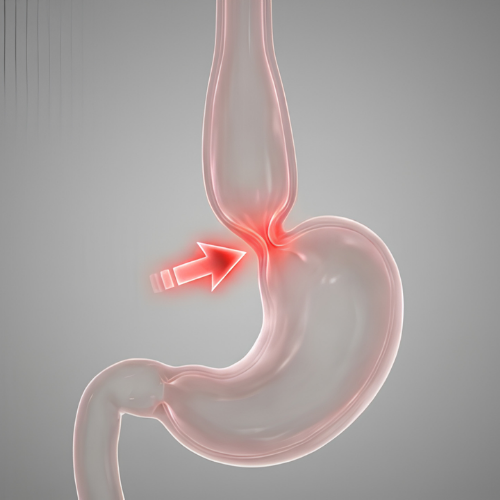
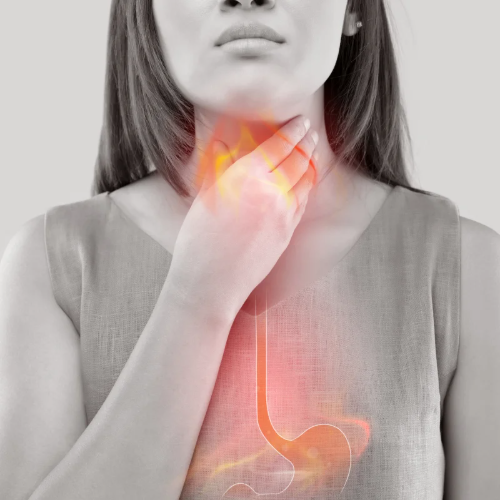
Persistent acidity, regurgitation, chest discomfort, or difficulty swallowing can sometimes be linked to a hiatal hernia. A hiatal hernia develops when the upper part of the stomach moves through an opening in the diaphragm. While some hiatal hernias do not cause noticeable problems, others can contribute to reflux and affect daily comfort. For patients in Mumbai who need hiatal hernia surgery, the right treatment depends on the hernia’s size, symptoms, reflux severity, and overall health.
How Hiatal Hernia Affects You
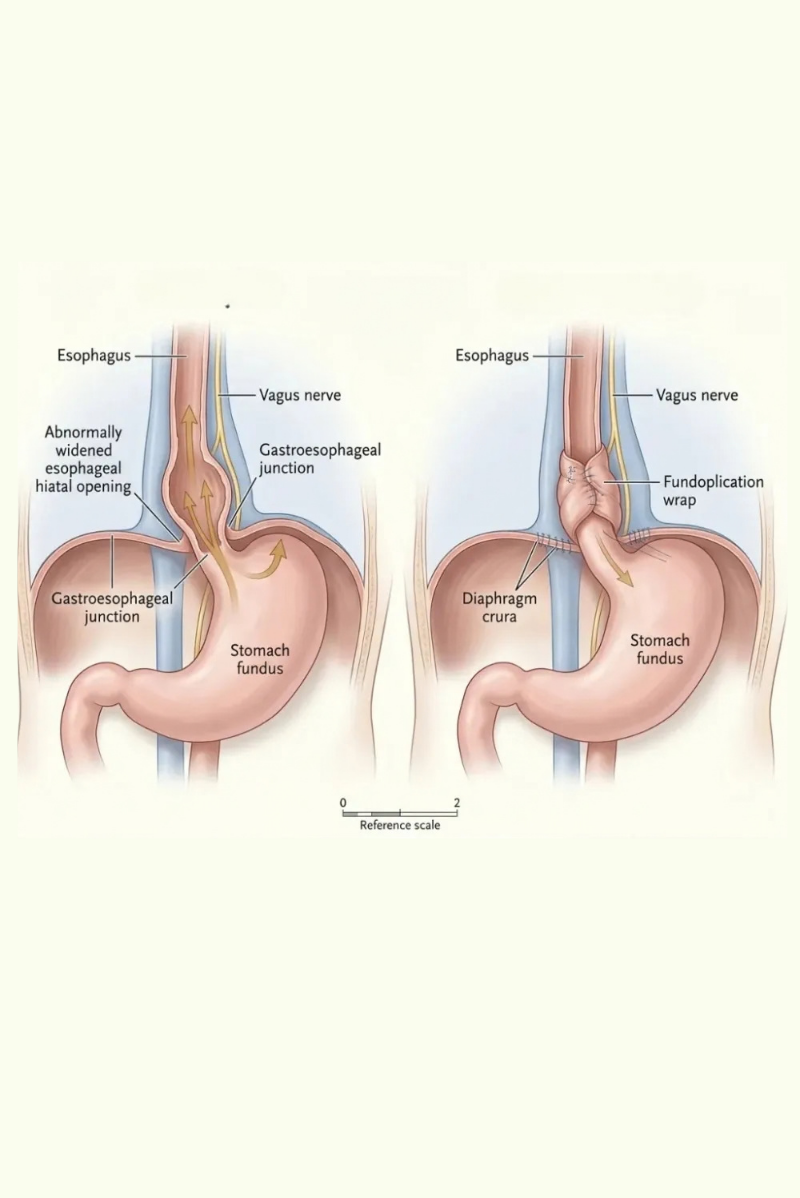
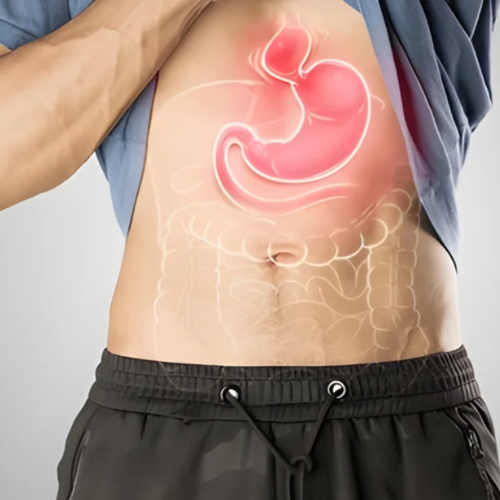
A hiatal hernia occurs when the stomach pushes upward through the diaphragm into the chest. Smaller hernias may be found incidentally and may not require surgery. Larger or symptomatic hernias can cause heartburn, acid reflux, regurgitation, difficulty swallowing, upper abdominal or chest discomfort, and a feeling of fullness after eating.
The goal of treatment is not only to manage symptoms but also to address the underlying anatomical problem when surgery is indicated. A detailed evaluation helps determine whether medicines, lifestyle changes, monitoring, or surgical repair is the most suitable approach.
A hiatal hernia occurs when the stomach pushes upward through the diaphragm into the chest. Smaller hernias may be found incidentally and may not require surgery. Larger or symptomatic hernias can cause heartburn, acid reflux, regurgitation, difficulty swallowing, upper abdominal or chest discomfort, and a feeling of fullness after eating.
The goal of treatment is not only to manage symptoms but also to address the underlying anatomical problem when surgery is indicated. A detailed evaluation helps determine whether medicines, lifestyle changes, monitoring, or surgical repair is the most suitable approach.
Helps Control Reflux
Repair can help address the anatomical changes contributing to reflux in appropriate patients.
Restores the Normal Position
The stomach can be zvdsorcb fe the abdominal cavity, and the opening in the diaphragm repaired.
Improves Everyday Comfort
Reducing persistent reflux and related discomfort can make meals, sleep, and daily activities more comfortable.
When Should You Consider Hiatal Hernia Surgery in Mumbai?
Not every hiatal hernia requires an operation. Surgery may be considered when symptoms remain troublesome despite appropriate medical treatment, when the hernia is large, or when complications or significant anatomical problems are present.
You may benefit from a surgical evaluation if you experience:
- Frequent or persistent heartburn and acid reflux
- Regurgitation that affects daily life
- Difficulty swallowing or a sensation of food getting stuck
- Recurrent chest or upper abdominal discomfort
- Symptoms that continue despite medication and lifestyle measures
- A large paraesophageal or symptomatic hernia was identified during evaluation
How Is Hiatal Hernia Surgery Performed?
The surgical approach depends on the type and size of the hernia and whether significant reflux is present. In many cases, minimally invasive surgery can be performed through small abdominal incisions.
Anesthesia
General anesthesia is given so the procedure can be performed safely and comfortably.
Small Incisions
The surgeon places a camera and specialized instruments through small abdominal incisions.
Hernia Repair
The stomach is carefully brought back into the abdomen, and the opening in the diaphragm is repaired to reduce the chance of the stomach moving upward again.
Reflux Control
When appropriate, the repair may be combined with an anti-reflux procedure such as fundoplication to improve the barrier between the stomach and esophagus.
Closure
The instruments are removed, and the small incisions are closed carefully to support healing.
What to Expect Before, During, and After Surgery
Understanding the treatment journey can make the process less stressful and help you prepare for recovery.

Before Surgery: Evaluation and Planning
Your consultation may include a detailed medical history and examination, along with tests such as upper gastrointestinal imaging, endoscopy, or other investigations when required. These assessments help evaluate the hernia and esophagus and guide the surgical plan.

During Surgery: Minimally Invasive Repair
The surgeon repairs the opening in the diaphragm and restores the stomach to its normal position. Depending on the case, an anti-reflux procedure may also be performed.


After Surgery: Recovery and Follow-Up
Recovery varies from person to person. You may gradually return to eating, walking, work, and other activities as advised. Follow-up appointments help monitor healing and manage any ongoing reflux or swallowing symptoms.

How Hernia Treatment Can Help Beyond Symptom Relief
A well-planned surgical approach can do more than reduce discomfort. By addressing the underlying problem, treatment may help restore normal anatomy and improve day-to-day function.
Reduces Reflux-Related Problems
Repair and appropriate reflux management can help control symptoms caused by stomach contents moving back into the esophagus.
Helps Address Potential Complications
In selected larger or complicated hernias, surgical evaluation and repair may help reduce risks associated with obstruction, twisting, or other problems.
Supports Better Eating Comfort
When symptoms such as regurgitation or swallowing difficulty improve, eating can become more comfortable.
Improves Quality of Life
Better symptom control can make sleep, meals, physical activity, and everyday routines easier to manage.
Why Choose Dr. Hrishikesh Salgaonkar?
With global training in advanced bariatric techniques and a compassionate, patient-first approach, Dr. Hrishikesh provides precise, safe, and ethical care at every step. From your first consultation to long-term follow-up, you’ll have expert guidance and a team focused on your success.
- Fellowship-trained in bariatric & metabolic surgery
- Expertise in laparoscopic and robotic techniques
- Transparent, ethical treatment approach
- Personalized nutrition and recovery programs
- Strong track record of successful patient outcomes
Frequently Asked Questions About Hiatal Hernia Surgery
No. Many small or symptom-free hiatal hernias can be managed with observation, lifestyle changes, or medicines. Surgery is considered when symptoms are persistent, significant, or associated with complications.
Yes. A hiatal hernia can contribute to acid reflux and heartburn, particularly when the hernia affects the normal barrier between the stomach and esophagus.
Diagnosis may involve an upper GI X-ray, endoscopy, and, in some patients, additional tests such as esophageal manometry, depending on symptoms and the clinical situation.
Recovery differs based on the procedure and individual health. Many patients gradually resume normal activities over the following days and weeks, with the surgeon providing specific restrictions and follow-up guidance.
In many cases, yes. Laparoscopic surgery uses small incisions and a camera to perform the repair, although the most suitable approach depends on the patient's anatomy and clinical needs.
If persistent reflux, chest discomfort, or swallowing problems are affecting your daily life, a timely surgical evaluation can help identify the cause and guide the right treatment. With expert hernia treatment in Mumbai, patients can receive a structured approach from diagnosis and surgical planning through recovery.
Don’t let persistent reflux and discomfort affect your daily life. Consult our expert for hiatal hernia treatment in Mumbai.